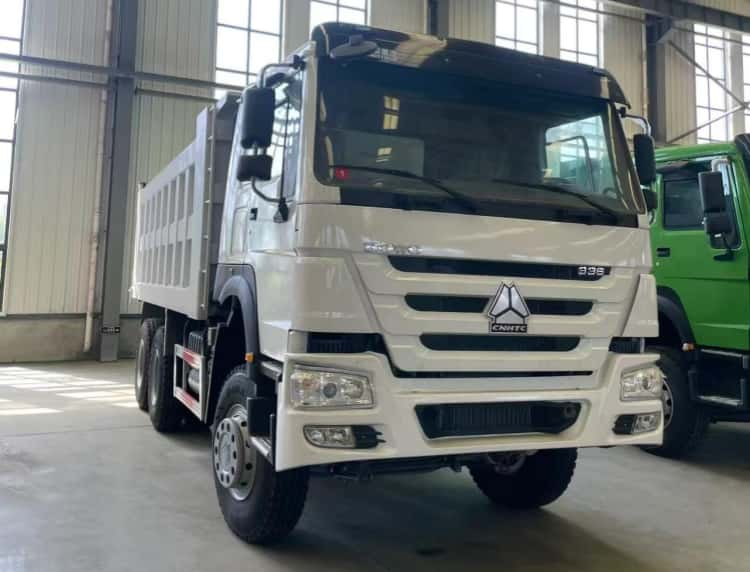
Can Any Old Heavy Truck Enter Vehicles Remanufacturing Workflow?
Intro
Age alone does not qualify a heavy truck for remanufacturing. Certified vehicles remanufacturing has strict entry gates focused on residual structural integrity, design compatibility and repairable limits. Many ageing trucks carry irreversible damage that rules them out, no matter how low their purchase price is. This article breaks down the eligibility rules, common rejection causes and core grading logic that separates usable reman cores from scrap-bound assets.
It is a widespread misconception that vehicles remanufacturing can rescue every retired heavy truck. In reality, the reman loop only accepts cores that still retain usable residual asset value. The truck’s mileage, year of manufacture or whether it can still start and drive are secondary factors.
The decisive question is whether its critical load-bearing structures can be restored back to OEM design tolerances through standard remanufacturing workflow. Cores failing this assessment are diverted to recycling, rather than wasting production resources on assets that cannot meet the final certification baseline.
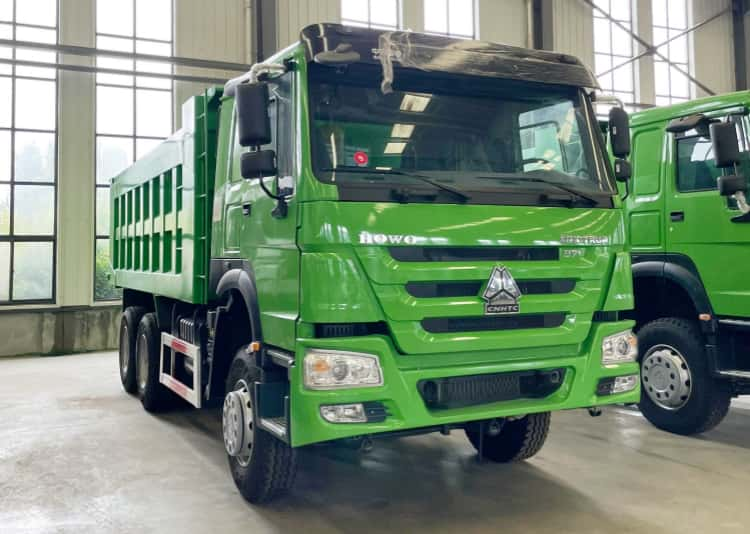
The Primary Entry Rule: Critical Structures Must Be Restorable
The highest priority check targets permanent load-bearing components, the main carriers of residual asset value.
- Frame rails must pass dimensional verification and NDT screening, free of deep cracks, severe bending or widespread intergranular corrosion.
- Major cast and forged parts including engine blocks, axle housings, steering knuckles and suspension hangers cannot have thermal cracking, permanent distortion or material degradation.
- Modifications must not alter the original structural design; unapproved frame cutting, welding or reinforcement usually disqualifies the core.
Minor surface rust, cosmetic damage or worn consumable parts do not automatically reject a truck. These items are planned for replacement or cleaning during reman.
Compatibility with OEM Baseline and Parts Supply
Even a structurally sound truck may be rejected for practical industrial reasons.
- The model must have available OEM engineering data: tolerance sheets, service manuals, calibration parameters and approved machining limits.
- Critical replacement components, gaskets, sensors and electronic parts need stable supply channels.
- Out-of-production, highly bespoke models with discontinued support often cannot be remanufactured to a verifiable standard.
Without reference specs and accessible spare parts, consistent resetting to the OEM baseline becomes impossible.
Documented History Review
Inspectors review background records before physical inspection:
- Accident records, overload history and prior major structural repairs
- Evidence of fire damage, flood ingress or long-term corrosive operating environments such as chemical haulage
- Previous informal rebuilds that may have used non-standard machining or unapproved repair techniques
Hidden historical damage is one of the most common reasons a seemingly intact truck gets rejected at intake.
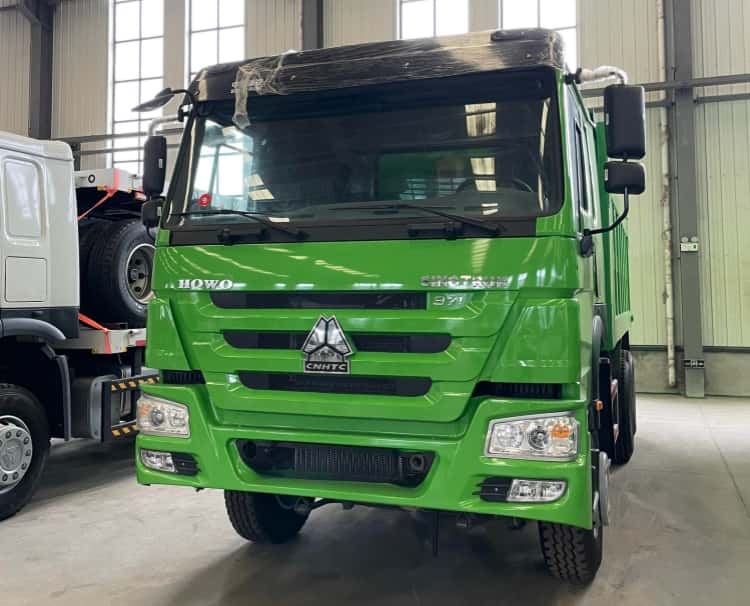
Clear Boundary: What Makes a Core Permanently Ineligible?
These conditions create irreversible loss of residual asset value and result in immediate diversion out of the standard remanufacturing workflow:
- Frame deformation beyond OEM straightening limits, or cracks in high-stress zones
- Deep material corrosion that reduces wall thickness below the minimum design requirement
- Thermal damage from engine seizure, fire or improper hot straightening that changes metal grain properties
- Illegal structural alterations that change load paths or weaken the chassis
- Multiple overlapping major defects where restoration cost exceeds the recoverable residual value
Once these defects exist, no amount of heavy vehicles remanufacturing workflow can return the asset to the certified performance baseline.
Core Grading: Not All Accepted Cores Are Equal
Trucks that pass the entry gate are further sorted into tiers, rather than treated identically.
- High-grade cores: clean history, minimal material fatigue, excellent frame condition; suitable for full zero-degradation reman with a long projected second life.
- Mid-grade cores: minor acceptable wear, limited prior service stress; reman is viable but with defined operational limits and adjusted service expectations.
- Borderline cores: only approved for restricted reman scope, with full disclosure to the buyer and narrower warranty terms.
Grading sets realistic expectations for TCO, service intervals and warranty coverage before production starts.
Common Market Misunderstanding: Running ≠ Eligible
A truck that still drives can still fail reman intake screening.
- It may rely on temporarily functional worn components while its frame has undetected fatigue cracks.
- A well-running engine cannot compensate for hidden chassis degradation.
- Reconditioned appearance and smooth operation are superficial signals that carry little weight in core assessment.
This is the key distinction from casual rebuild or resale logic. Heavy vehicles remanufacturing eligibility judges the underlying structure, not current drivability.
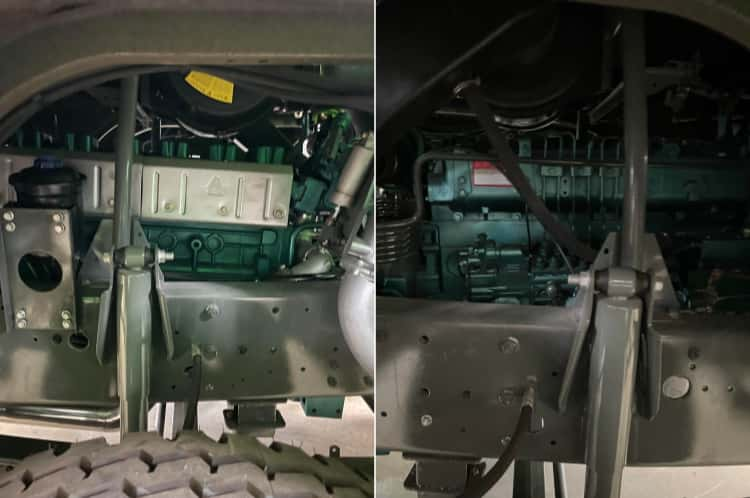
Why Suppliers Should Avoid Forcing Ineligible Cores Into Reman?
Pressuring borderline or failed cores through production creates cascading risks:
- The finished unit cannot sustain OEM-equivalent service life, leading to early field failures
- NDT and inspection records will be incomplete or falsified to pass audit
- Warranty claims will spike, and third-party certification can be revoked
- ESG carbon savings calculations become invalid, exposing buyers to greenwashing accusations
Certified vehicles remanufacturing is economically viable only when the core’s residual value justifies the full regeneration process.
REMAN ROAD Standardised Intake Gate
REMEN ROAD defines universal intake rules for all certified vehicles remanufacturing partners:
- Mandatory VIN-linked intake checklist, combining document review, dimensional measurement and NDT results
- Fixed rejection criteria with no discretionary relaxation for cost or delivery deadlines
- Formal diversion workflow for non-eligible cores, documented for traceability
- Transparent core grading shared with fleet buyers during quotation
This prevents low-quality cores from entering certified reman batches across different factories and regions.
Closing
Not every old heavy truck can enter certified heavy vehicles remanufacturing. Eligibility hinges on restorable structural integrity, matching OEM design data, clean asset history and viable residual value. Drivability, age or low acquisition price are not enough. Understanding this intake filter helps fleet buyers recognise that genuine heavy vehicles remanufacturing starts long before disassembly — it begins with selecting a qualified core that can truly be reset for a reliable second life.