Lower TCO: Why Fleets Are Shifting to REMAN ROAD Reman Trucks
Introduce
Total Cost of Ownership is not only about the purchase price. Many fleet operators learn this the hard way. A cheap used truck may look attractive at checkout, but hidden structural fatigue, unplanned breakdowns and erratic maintenance bills quickly blow budgets out of line. Brand-new heavy trucks carry massive upfront capital outlay, steep early depreciation and long lead times that do not fit project-based or cash-tight operations.
REMAN ROAD reman trucks are gaining traction because they target every major line item in the TCO model. The core value is predictable cost, not just a lower sticker price.
Lower upfront capital expenditure
The first financial advantage is controlled CAPEX. A REMAN ROAD reman truck costs far less than an equivalent new heavy tipper. This preserves working capital for fuel, labour, loader hire and site mobilisation.
For small and medium fleets, this means incremental fleet expansion. Operators can add one truck when a new tender is awarded, instead of committing to bulk purchases and large loan repayments. Financing terms are also more stable. Lenders can rely on the VIN-linked reman traceability and formal duty classification, rather than pricing risk around an unknown used asset history.
Flatter depreciation curve after lifecycle reset
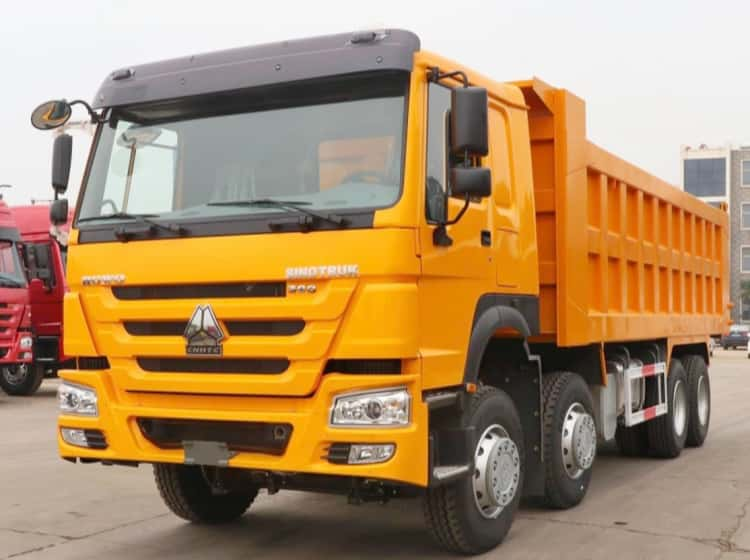
New heavy trucks hit a sharp depreciation cliff the moment they enter service. With REMAN ROAD reman truck’s lifecycle reset framework, the depreciation starting point is the reman completion date. The truck’s residual value follows a gentle, predictable curve.
Fleet managers can forecast resale value accurately 2–3 years ahead. When the time comes to rotate assets, the loss on disposal is far smaller than selling a new truck after a short ownership window. This is a major contrast with ordinary used trucks, whose residual value swings wildly because buyers cannot verify fatigue history.
Downtime risk is quantified and reduced
Downtime is often the biggest hidden TCO cost for construction, quarry and mine fleets. One truck offline can delay an entire crew, trigger contract penalties and miss haul targets. REMEN ROAD reman truck’s workflow eliminates the root causes of sudden failures: Frame and high-stress mounting points go through mandatory NDT scanning. Fatigue-prone wear parts are replaced by rule, not only when they break. Every REMEN ROAD reman trucks passes loaded performance validation matching its duty class before delivery.
Fleets still schedule routine maintenance, but catastrophic, unplanned structural or hydraulic failures become rare. Maintenance spending moves from emergency repair to scheduled, budgetable service.
Maintenance cost becomes predictable
Fleets running mixed random used trucks face chaotic maintenance. Each truck has a different wear history, different weak points and inconsistent part requirements. Technicians spend extra diagnostic time, and spare stock must cover dozens of unique SKUs.
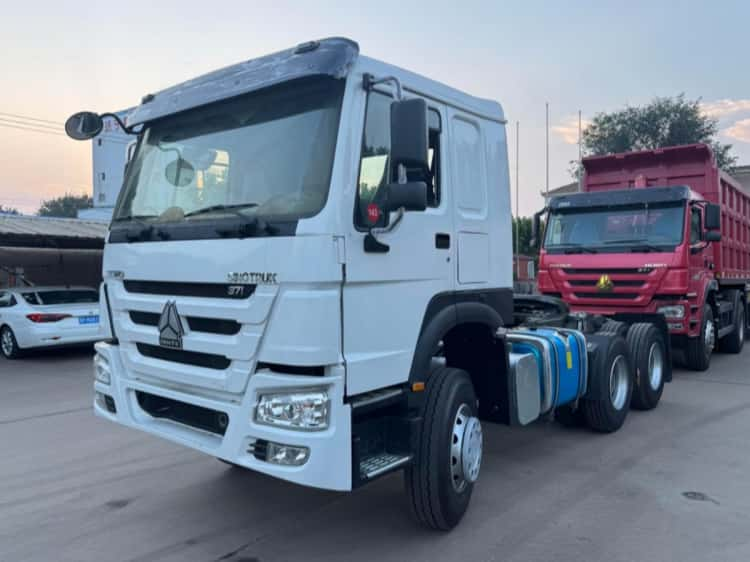
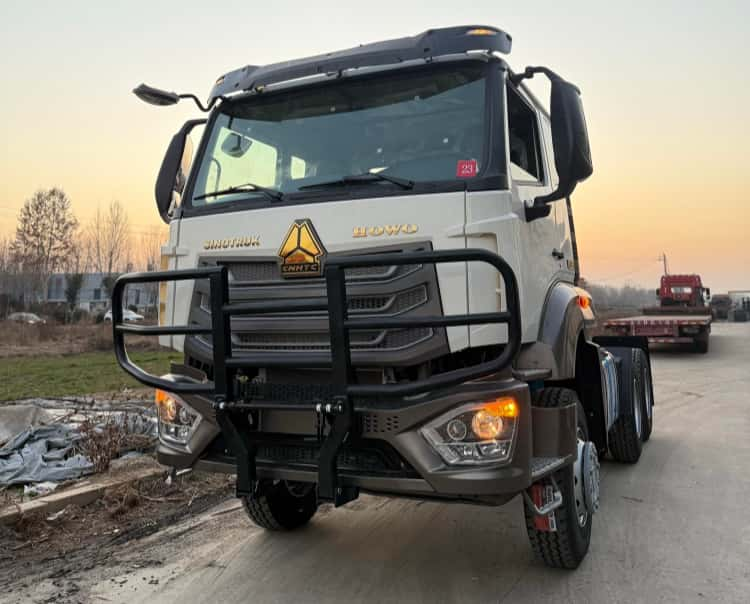
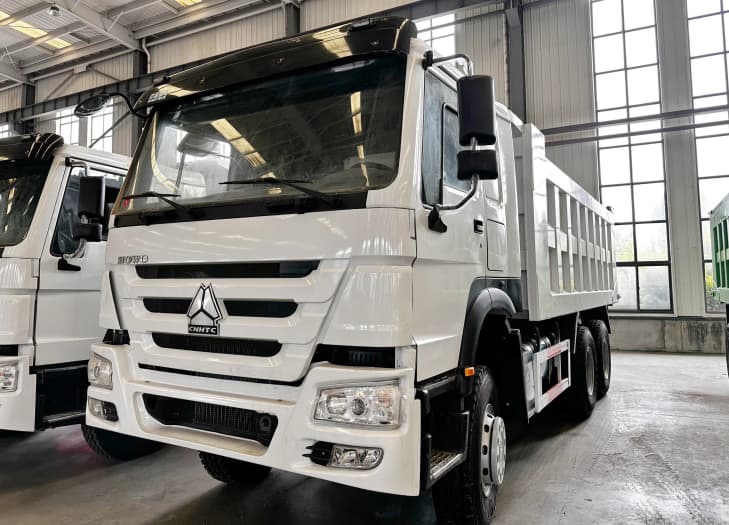
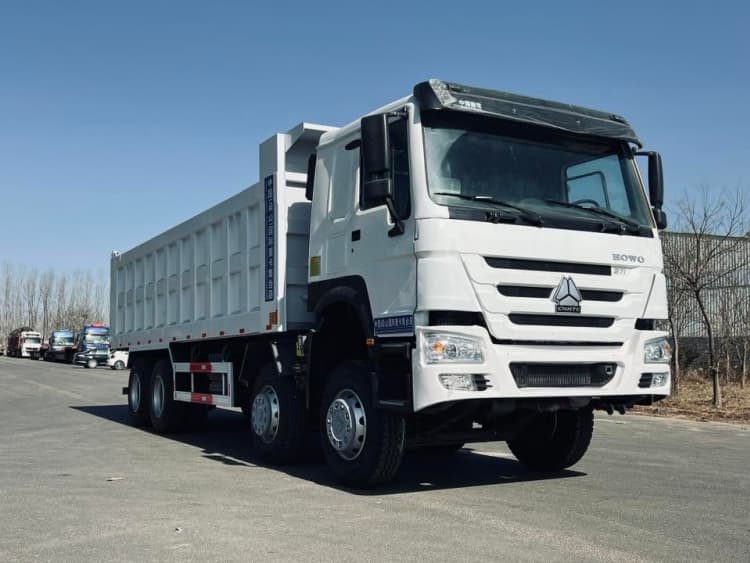
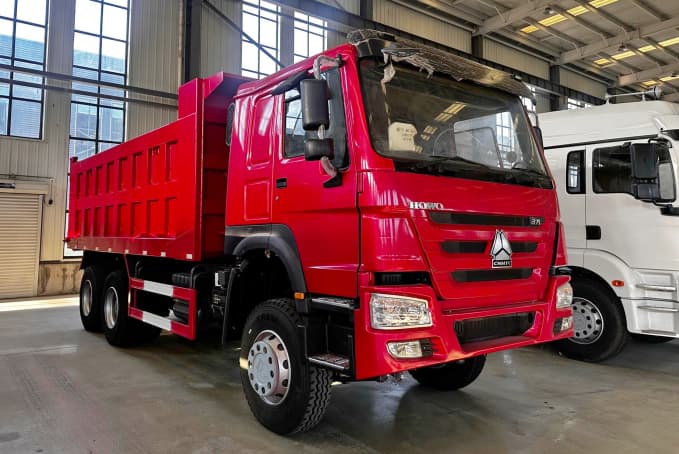
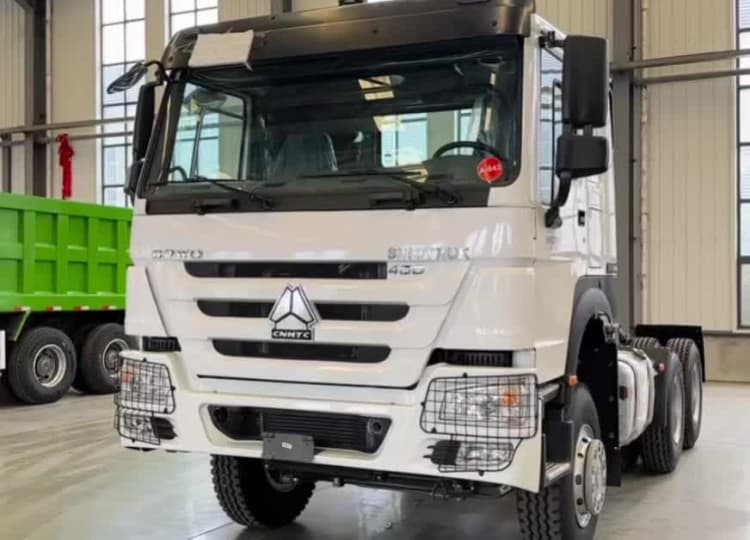
REMAN ROAD standardises the reman truck process around proven, widely supported platforms such as Howo and Shacman. Wear-part replacement lists are fixed per model. Service checklists are unified. When fleets standardise on one reman truck model, they consolidate spare inventory, speed up repairs and reduce labour overhead. Parts are common in regional markets, so lead time for filters, brake assemblies, suspension bushes and hydraulic seals stays short.
Duty classification prevents over-consumption of asset margin
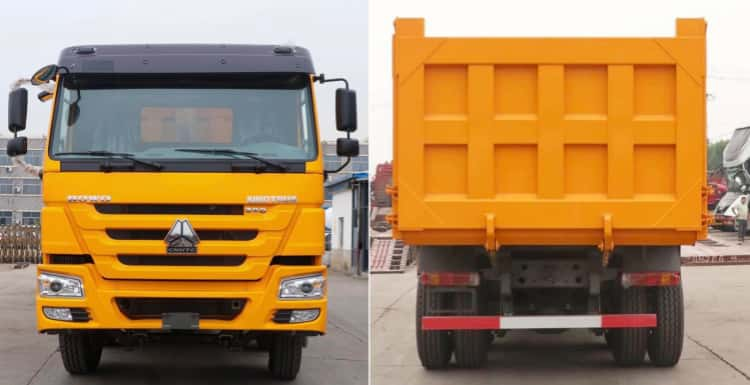
A key TCO feature unique to certified reman truck process is clear duty boundary documentation. Every REMAN ROAD reman trucks comes with a defined operating envelope: maximum payload, acceptable off-road shock severity, gradient limits and recommended annual cycle volume. This guides fleet dispatch teams to assign trucks appropriately. High-impact blast-pit work stays reserved for new heavy assets.
REMAN ROAD reman trucks run steady, repeatable bulk haul legs where they can deliver maximum tonnage without burning through residual structural margin quickly. Without this guardrail, even a well-built reman truck will accelerate wear and erase its cost advantage.
Traceability supports better long-term asset planning
Full VIN-locked records turn reman trucks into transparent assets. The package includes baseline inspection, NDT results, component renewal logs, calibration data, loaded test reports and duty certification. This supports accurate TCO modelling, insurance underwriting, ESG reporting and future audits.
Fleet managers can group assets by reman truck reset date, plan service windows and schedule replacement cycles years in advance. Generic rebuilds carry no such audit trail. Their cost profile remains unknown until something fails.
ESG gains bring secondary financial benefits
Lower TCO also includes sustainability value. Whole vehicle reman truck process preserves the embodied carbon already invested in the chassis, axles and major castings. It avoids the raw material and energy cost of manufacturing a brand-new truck.
For fleets bidding on green-focused municipal, infrastructure and mining tenders, certified reman assets can satisfy sustainability requirements. This opens contract opportunities that ordinary used trucks cannot support.
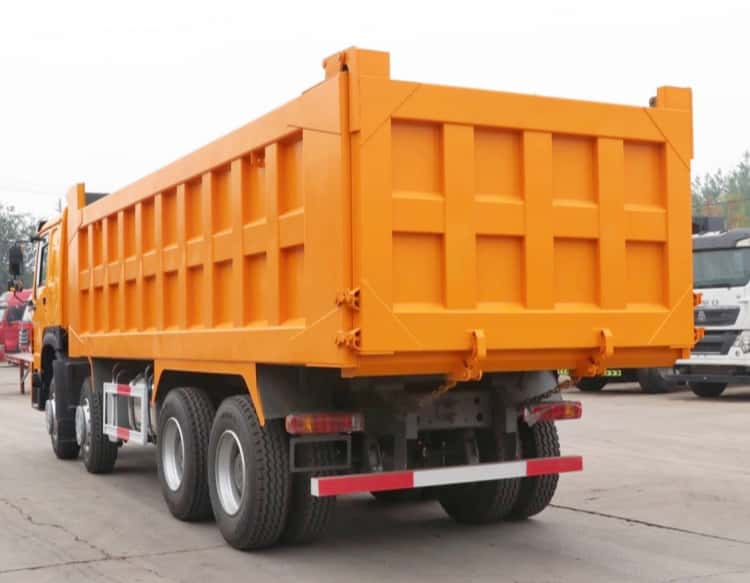
How it stacks against the two competing options?
- New trucks: Highest upfront CAPEX, steep depreciation, lowest downtime risk, longest lead time. Best for continuous extreme heavy shock work.
- Uncertified used / cosmetic rebuilds: Low upfront price, unknown fatigue, unpredictable downtime, volatile maintenance cost. TCO often becomes the highest over time.
- REMAN ROAD reman trucks: Middle CAPEX, flat depreciation, controlled downtime, predictable service spend, clear duty limits. The balanced sweet spot for most bulk, quarry, construction and municipal fleets.
Common mistake that destroys TCO advantage
Buying certified reman truck and then operating it outside the duty classification is the most frequent error. Overloading, constant rock shock and skipping scheduled lubrication will consume the reset lifecycle margin fast. The low-TCO business case only works when the truck is treated as a certified medium off-road asset, not a substitute for a heavy mining truck.
Closing thought
Fleets shift to REMAN ROAD reman trucks for lower TCO because the model addresses cost at every layer. It cuts initial capital burden, softens depreciation, reduces expensive unplanned downtime, stabilises maintenance spending and brings transparency through lifecycle reset and duty classification. It is not just a cheaper truck purchase. It is an asset strategy that turns uncertain used-truck risk into forecastable, controllable ownership cost for bulk haul, construction and quarry operations.