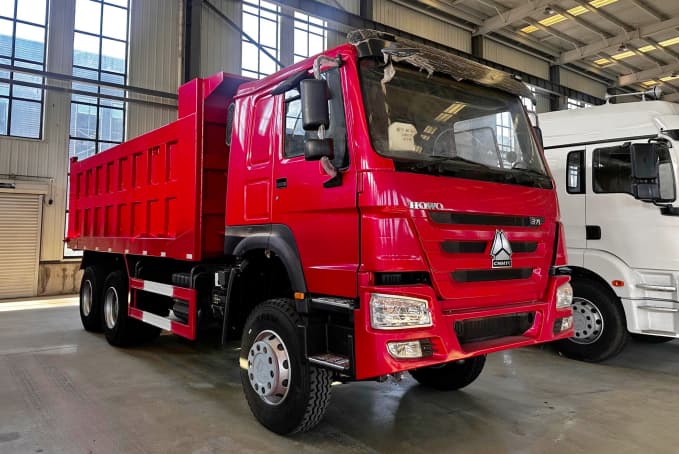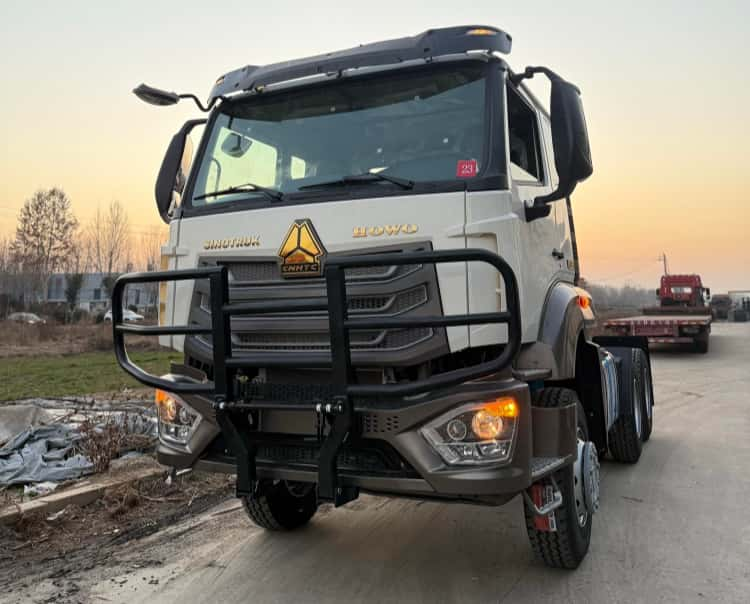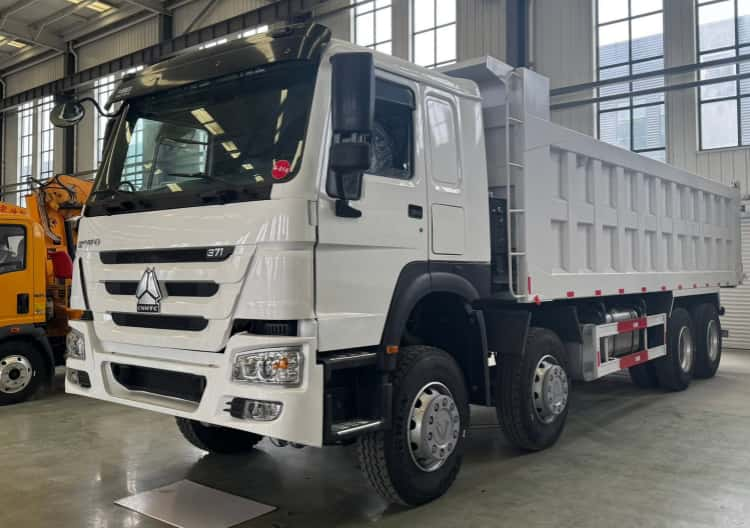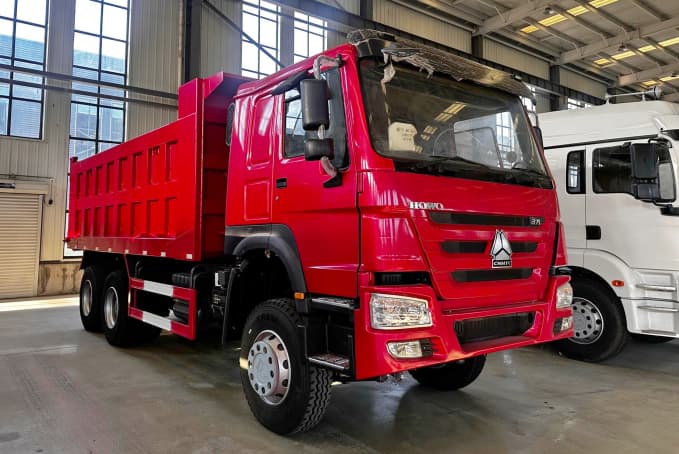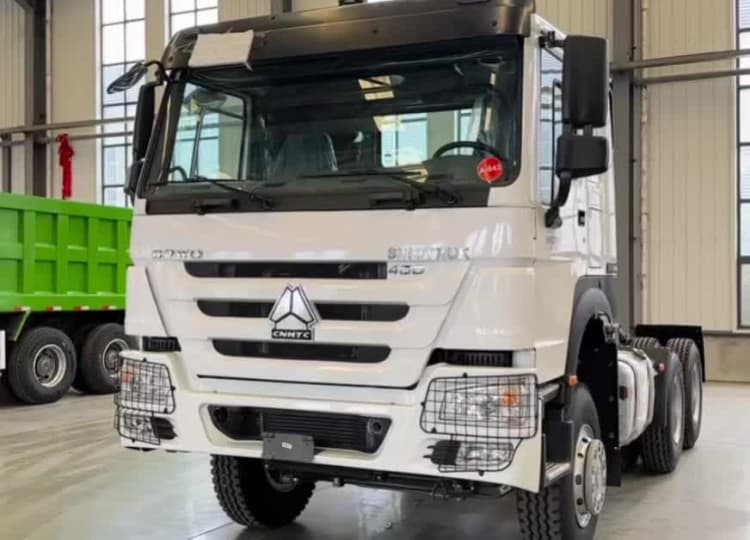
Structural Safety: The Biggest Advantage of Certified Whole Trucks Reman
Introduce
For heavy tippers operating on quarry, mine and muddy construction sites, structural failure is not merely a mechanical breakdown. It can lead to rollovers, payload spills, worksite injuries and costly contract shutdowns. Ordinary used trucks and cosmetic rebuilds may run smoothly for months, yet carry invisible fatigue damage inside frame rails, crossmembers and mounting brackets. Engine overhauls, new tyres and fresh paint cannot fix these hidden defects. Certified whole trucks reman under REMAN ROAD puts structural safety at the centre of its workflow. This is its most meaningful advantage over cheaper alternatives.
Hidden structural risks that plague used and rebuilt trucks
Metal fatigue accumulates gradually with every loaded cycle. Sharp stone impact, repeated heavy payloads, vibration on rutted tracks and corrosion from wet mud or muck create microcracks below the metal surface. These cracks do not show up in visual checks. They start small and propagate slowly. The truck can still drive, brake and tip normally — until the crack reaches a critical point.
At that moment, frame fracture, suspension bracket separation or axle mount failure happens suddenly. Sellers of basic rebuilds only replace parts that have already broken. They leave undetectable fatigue in the load-bearing structure, passing the safety risk to the buyer.
NDT screening is the foundation of structural safety
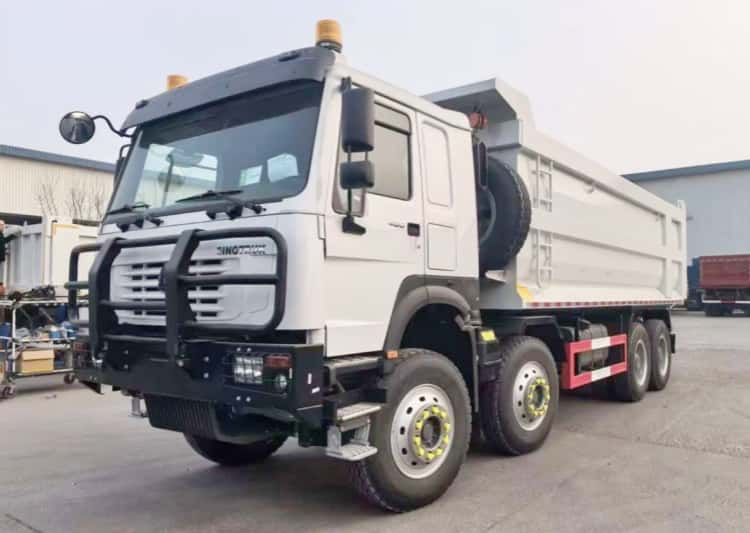
The core safety step in whole trucks reman is systematic non-destructive testing. All load-bearing zones are scanned: main frame rails, crossmember joints, suspension hangers, kingpin supports, axle brackets and tipping hinge mounts. Technicians identify microcracks, wall thinning and corrosion penetration. Any component that fails material standards is rejected or replaced.
Only cores that meet the residual fatigue specification move forward into reassembly. This separates certified trucks reman from all other low-cost options. A hammer tap or visual inspection cannot replicate this level of structural verification.
Mandatory renewal of structural and safety-critical connection parts
Even if the main frame passes NDT, the fasteners and joints are common failure points. In REMAN ROAD certified trucks reman workflow, high-risk connection components are replaced by rule, regardless of visual condition. This includes U-bolts, spring pins, lock washers, steering joint assemblies and high-load bearings. T
hese small parts bear dynamic shock thousands of times per shift. Their wear progresses unseen, and a single failed U-bolt can detach an axle or suspension group. Rebuilds will reuse these fasteners until they fail. Certified trucks reman workflow resets the safety margin of every structural connection.
System alignment removes secondary structural stress
Many frame failures are not caused by the frame itself, but by misalignment. Driveline misalignment, uneven brake balance, twisted suspension geometry and tilted tipping subframes create persistent abnormal stress. Over time, this creates new fatigue cracks in otherwise sound steel.
Whole trucks reman workflow calibrates the entire chassis as an interconnected system. Driveline straightness, suspension level, brake distribution and tipping geometry are reset back to design specs. This eliminates chronic, unseen stress sources that would otherwise shorten the safe service life of the frame.
Loaded validation confirms structural performance under real working load
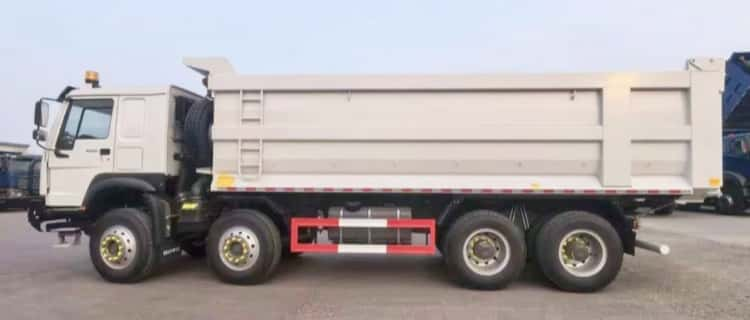
A frame that looks solid empty may deform under a full payload. After reassembly, every reman trucks completes loaded testing matching its certified duty classification. Engineers watch for frame twisting, abnormal vibration, joint movement and deflection beyond allowed limits. T
he tipping structure is tested under full wet or dense bulk load, which simulates the harshest stress the truck will face in service. This certified trucks reman workflow test catches structural weaknesses that never reveal themselves during idle or empty-yard checks.
Formal duty classification sets clear structural operating limits
Certified trucks reman does not claim the truck matches the structural rating of a brand-new heavy mining truck. After structural assessment, engineers assign a fixed duty envelope. It defines maximum payload, acceptable shock load, route type and annual cycle guidance. This document protects the structural safety margin.
Dispatch teams know not to assign these trucks to continuous blast-pit rock impact, which would rapidly propagate fatigue. Used truck sellers rarely provide these limits. Operators guess what the chassis can safely carry, and overload is the leading cause of structural incidents.
VIN-linked traceability creates auditable safety records
Every structural test result is logged and tied to the truck’s unique VIN. Buyers can retrieve NDT reports, component renewal lists, alignment records and loaded test data.
For fleets working on regulated municipal, mining and infrastructure projects, this paperwork satisfies safety audits, insurance requirements and tender compliance. Generic rebuilds have no such proof. If a structural incident occurs, there is no documented baseline to prove what inspections were completed.
Safety contrast: Certified reman vs rebuild / used truck
Certified whole trucks reman: Fatigue defects are removed before delivery. Structural safety margin is reset, limits are documented, and performance is verified under load.
Cosmetic rebuild or used truck: Fatigue history is unknown. Only visible broken parts are repaired. Structural safety margin is unknown and declining with every haul cycle.
The financial side of structural safety
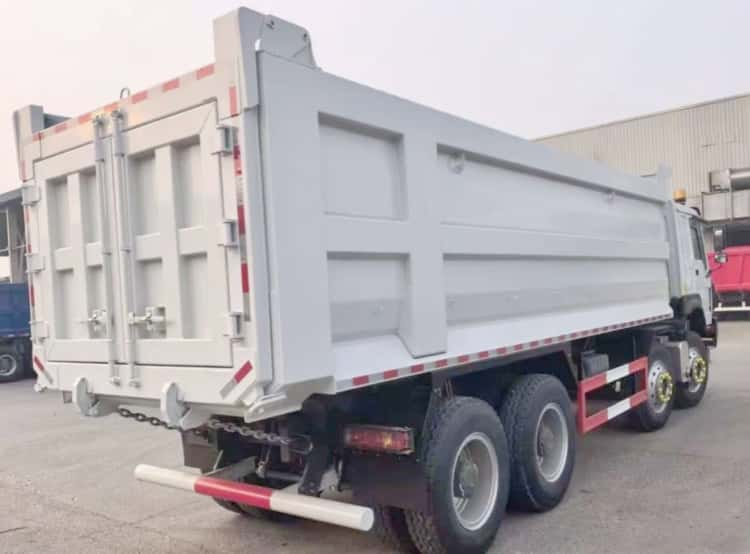
Structural safety is not just a compliance concern. It directly protects TCO. A frame failure often results in total loss of the truck, plus site downtime, labour waste and contract penalties. Insurance claims are more complicated when the root cause is pre-existing hidden fatigue.
Certified trucks reman workflow shifts risk from sudden catastrophic failure to predictable, scheduled maintenance. The higher upfront inspection investment prevents the far larger cost of a structural accident.
Common misconception
Many buyers think a new tub or new paint job means the frame is safe. The tub is an add-on wearing component. Cab paint only prevents surface rust. Neither tells you anything about subsurface fatigue in the main chassis. These cosmetic upgrades do not improve structural safety.
Closing thought
Structural safety is the biggest differentiator of certified whole trucks reman. Through NDT fatigue scanning, mandatory renewal of high-load connection parts, chassis alignment, loaded structural validation and clear duty limits, REMAN ROAD removes the invisible structural risk that defines used and rebuilt trucks.
For fleets operating heavy bulk haul, this safety reset is not an optional premium feature. It is the core reason certified trucks reman delivers stable, low-risk ownership alongside controlled TCO.