How Genuine Reman Trucks Help Fleets Cut Unplanned Downtime?
Introduce
Unplanned downtime is one of the most damaging costs for heavy truck fleets. When a tipper stops unexpectedly mid-shift, haul schedules collapse, labour sits idle, loader hire is wasted, and project or site contract penalties can follow. Ordinary used trucks and cosmetic rebuilds carry a high risk of sudden breakdowns, because failures stem from hidden, gradual degradation that no quick visual check can catch.
Genuine reman truck under REMAN ROAD is built to attack this root problem. It does not just fix faults that are already broken; it removes the conditions that cause sudden failures in the first place.
NDT screening eliminates silent structural failure triggers
Most catastrophic unplanned stops trace back to metal fatigue. Frame microcracks, corrosion thinning at crossmember joints and hidden bracket damage grow slowly without obvious warning. The truck can operate normally for weeks, then fail suddenly under a full payload.
Genuine reman truck runs mandatory NDT scanning on all high-stress structural zones before reassembly. Any core component with propagating fatigue is rejected or replaced. This removes the largest source of surprise structural breakdowns that routinely hit fleets running uncertified rebuilds.
Proactive replacement of fatigue-critical wear parts
Rebuilds follow a reactive rule: replace parts only when they break or leak. Genuine reman truck follows a fixed mandatory renewal list. Safety and high-cycle components — brake linings, hydraulic seals, suspension pins, U-bolts, steering joints and critical bearings — are changed regardless of how they look.
These parts have predictable fatigue lifespans, even if they show no obvious damage. This shifts failure behaviour from random, roadside breakdowns to scheduled service events. Fleets can plan part changes in advance instead of reacting to emergencies.
System-level calibration prevents cascading secondary faults
Many breakdowns are not caused by one bad part, but by system imbalance. Driveline misalignment, uneven brake balance, incorrect hydraulic pressure and poor cooling flow create continuous abnormal stress. This wears out surrounding components faster, triggering a chain of related failures.
In genuine reman truck work, all interconnected systems are calibrated back to design specification. Engine fuel maps, driveline straightness, brake distribution, tipping pressure and cooling circuit flow are tuned to work in harmony. The vehicle stops punishing its own components, slowing wear and reducing cascading faults.
Loaded validation catches defects before delivery
Empty-engine testing cannot expose load-dependent weaknesses. A truck may start, shift gears and lift an empty tub perfectly, but jam under wet muck, overheat on long climbs or lose braking stability downhill when fully loaded.
Every REMAN ROAD genuine reman trucks undergoes loaded testing matching its certified duty classification. Engineers verify sustained climbing, thermal brake performance, full tipping cycles, leak tightness and vibration behaviour. Any performance out of spec is fixed before handover. This stops defects that would otherwise appear for the first time once the truck enters site service.
Clear duty classification stops over-consumption of asset margin
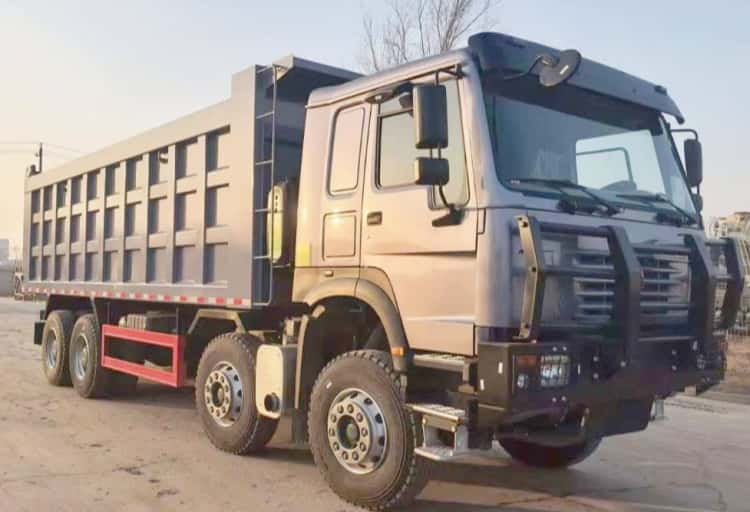
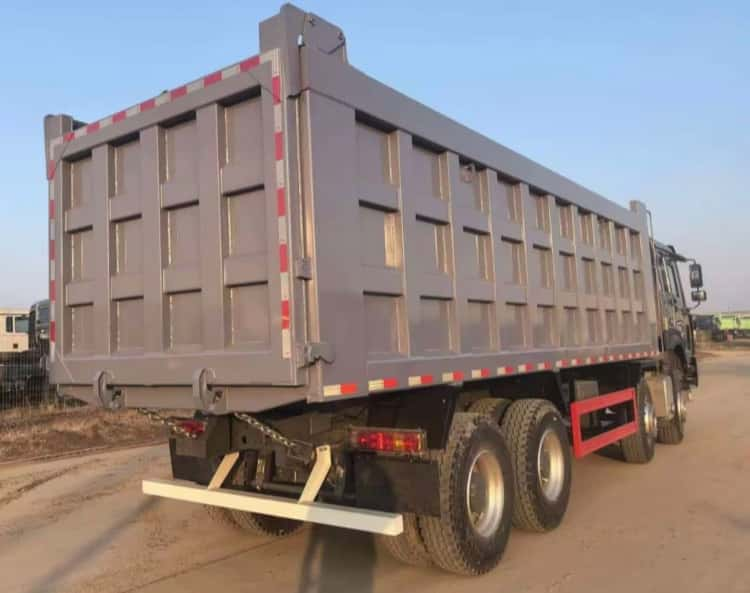
Even a well-built genuine reman trucks will suffer accelerated breakdowns if pushed beyond its design limits. Duty classification sets measurable boundaries: maximum payload, acceptable shock severity, route type and recommended annual cycle count. Dispatch teams can assign reman trucks to steady, repeatable bulk haul, aggregate transfer and municipal muck runs.
Continuous heavy rock blast-pit impact is reserved for new heavy assets. This prevents operators from burning through the vehicle’s residual safety margin quickly, which is a very common cause of premature, unplanned downtime.
Standardised platforms simplify maintenance and speed up repairs
Fleets running a random mix of second-hand trucks face maintenance chaos. Each model has unique parts, unique failure patterns and requires technicians to switch between different service routines. Spare parts inventory becomes bloated, and diagnostic time stretches out.
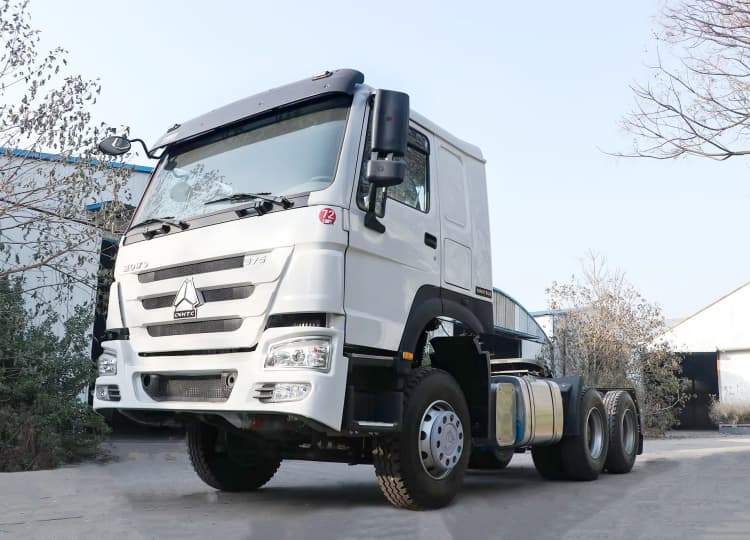
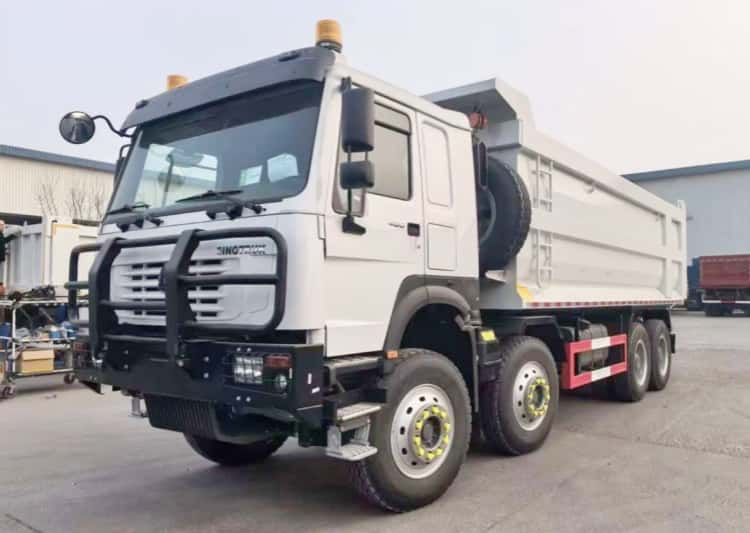
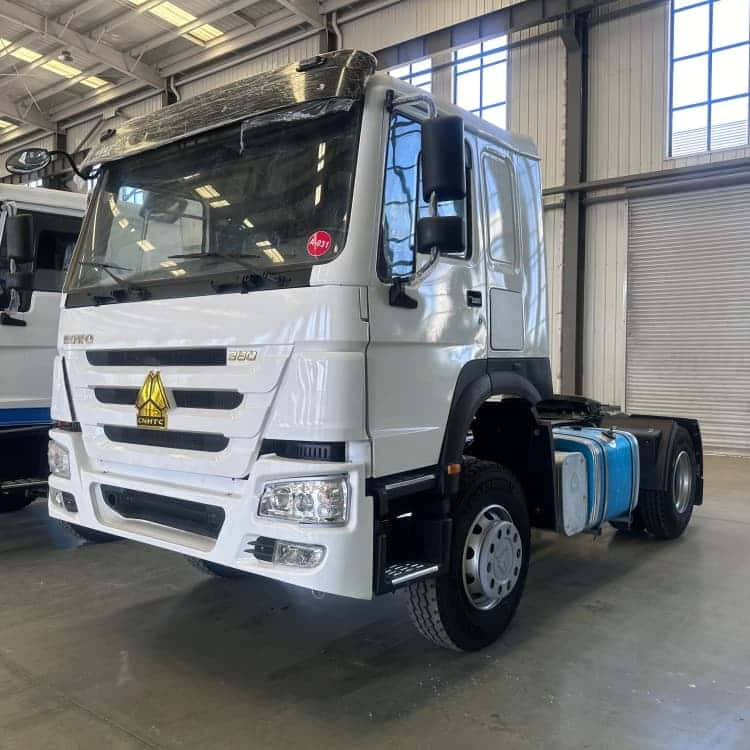
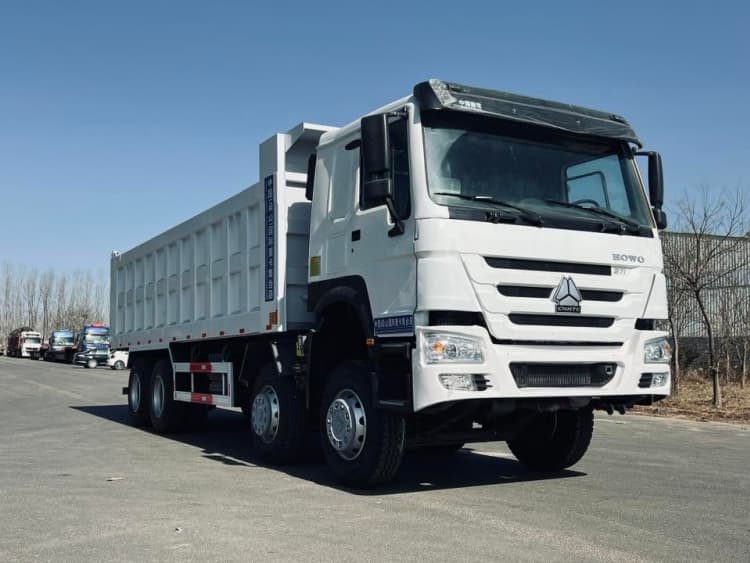
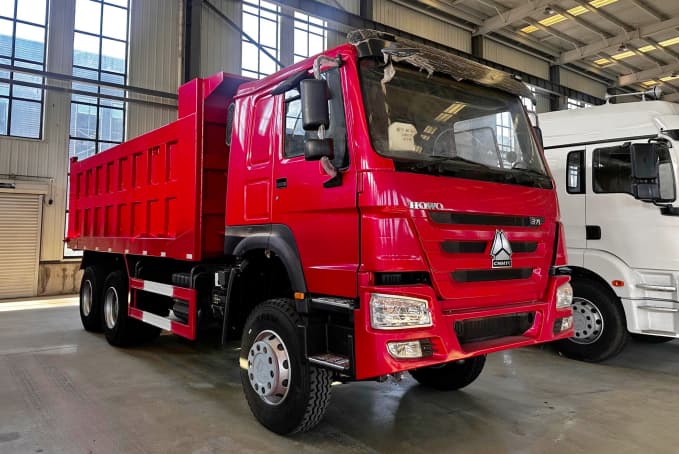
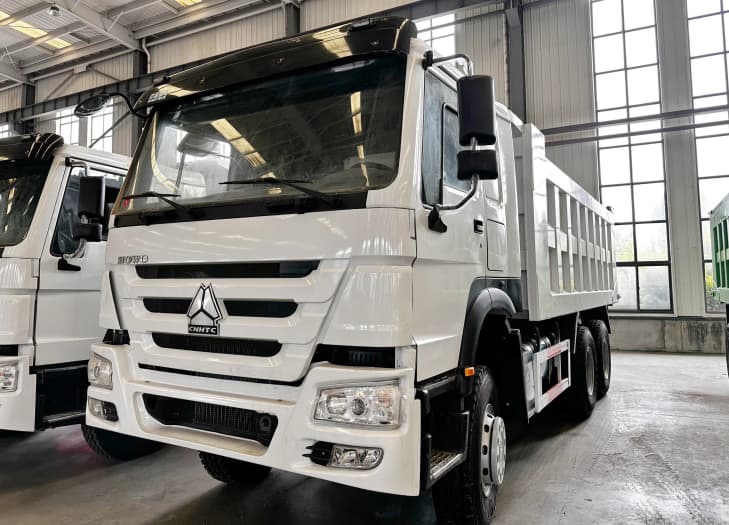
REMAN ROAD reman truck work focuses on proven, widely supported platforms such as Howo and Shacman. When fleets standardise on one reman truck model, wear parts are shared, service checklists are identical and technicians become familiar with common service points. When planned service is needed, parts are easy to source and labour time is shorter. Planned maintenance stays on track, which further reduces unexpected stops.
VIN traceability supports predictive maintenance planning
Every REMAN ROAD genuine reman trucks comes with a complete, VIN-linked record package: baseline inspection, NDT results, renewed component logs, calibration data and test reports. Fleet managers set service schedules starting from the reman reset date, not the original factory build date.
Degradation curves become predictable. Instead of guessing when to replace brake groups or suspension assemblies, teams can build a forward maintenance calendar. This turns maintenance from crisis response into scheduled prevention.
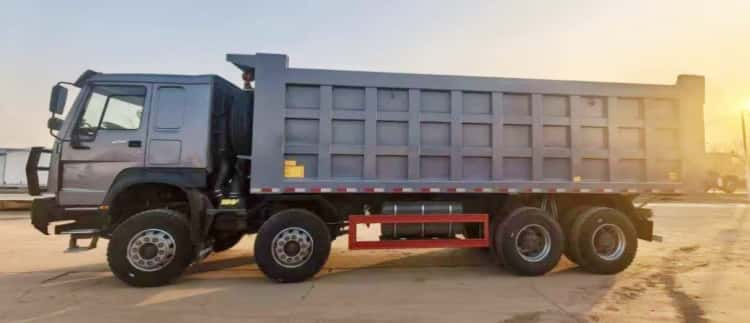
The difference in downtime profiles
- Used / cosmetic rebuild: Failures are random. Root causes are hidden. Repair time and cost are unpredictable. Downtime spikes happen without warning.
- Genuine reman truck: Catastrophic hidden failures are removed upfront. Wear follows a predictable curve. Service events are scheduled. Unplanned downtime drops sharply.
What reman truck work cannot do?
Genuine reman truck work does not eliminate downtime entirely. Normal wear, tyre damage, filter clogging in dusty sites and accidental site impacts still happen. But these are ordinary, manageable service events, not sudden structural or system failures that halt operations unexpectedly. Regular lubrication, filter changes and washing on muddy sites remain required to preserve the low-downtime advantage.
Real-world fleet impact
Less unplanned downtime delivers compound benefits:
- Haul targets stay on track
- Contract penalties are avoided
- Labour and supporting equipment are utilised efficiently
- Emergency repair spending falls
- TCO becomes far easier to forecast
Closing thought
Genuine reman trucks cut unplanned downtime by addressing failure at its source. NDT screening removes hidden structural fatigue, mandatory part renewal eliminates surprise wear failures, system calibration prevents cascading damage, and loaded validation catches defects before delivery. Paired with clear duty limits and traceable maintenance records, REMAN ROAD genuine reman truck work turns unpredictable breakdown risk into controlled, scheduled ownership.