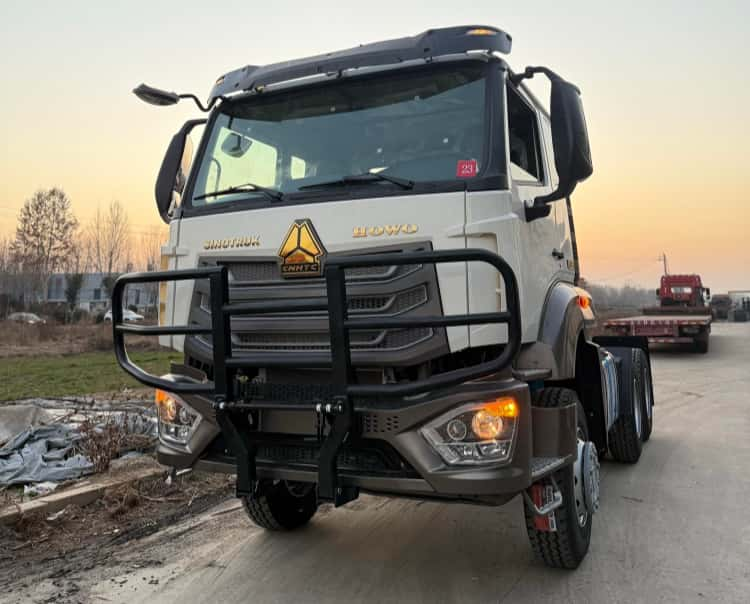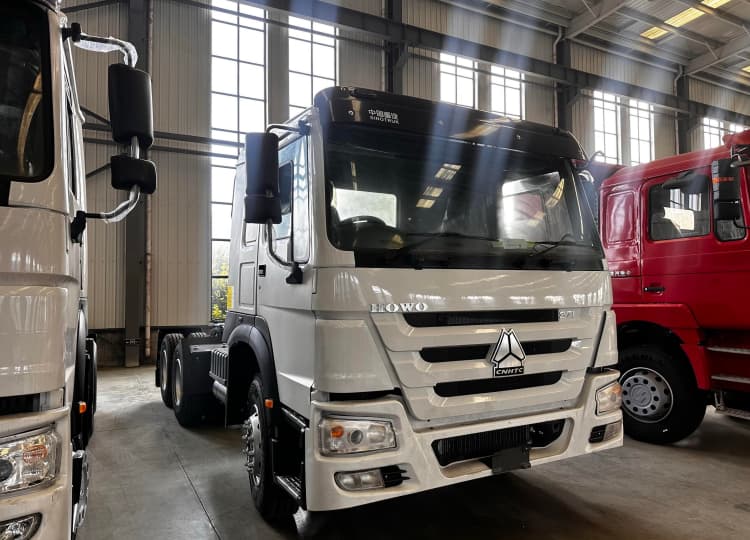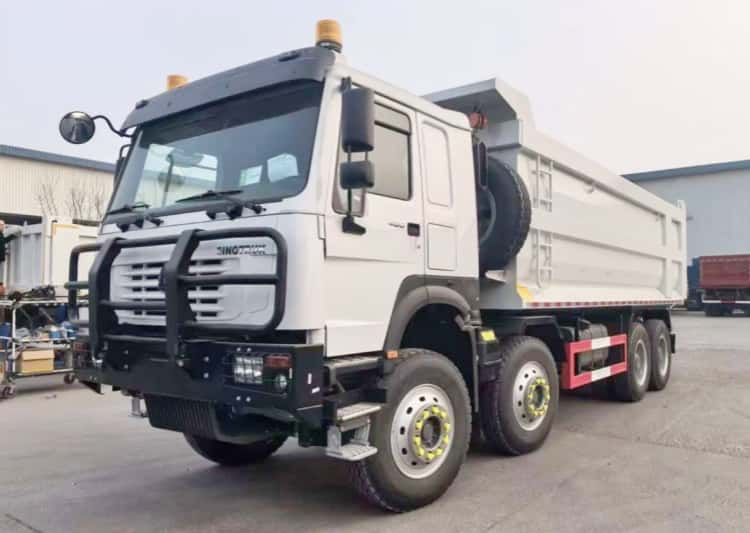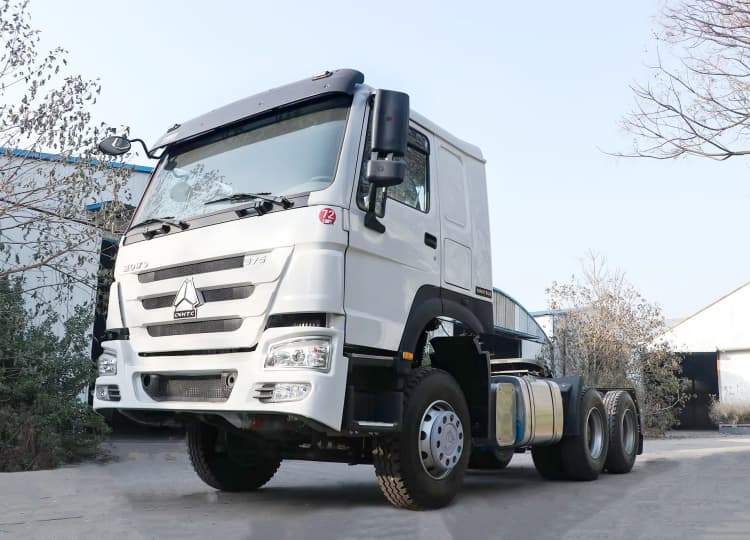
Capital Flexibility: Balance Fleet Expansion With Heavy Reman Trucks
Introduce
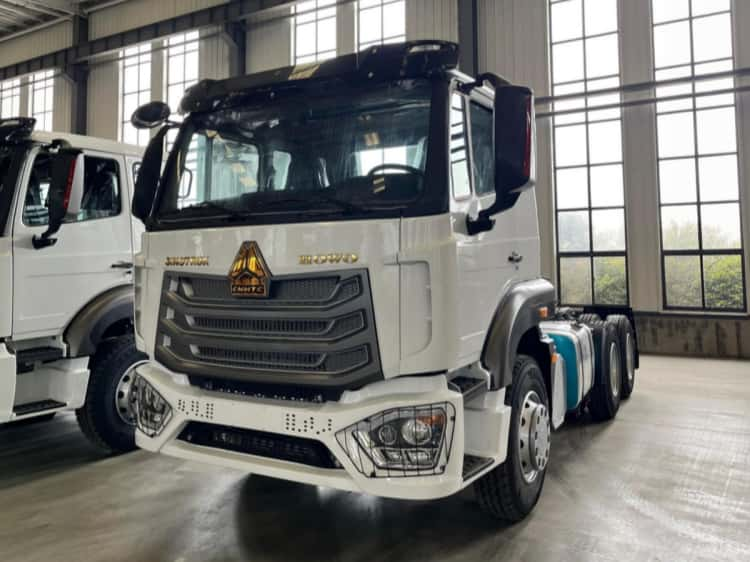
Fleet expansion is always a capital balancing act. Buying new heavy trucks means committing huge sums at once. Cash reserves get tied into fixed assets, leaving little buffer for fuel, labour, site overhead and unexpected operational shocks. Waiting for cash flow to build slows down bidding on new projects and delays scaling. Random used trucks carry low upfront price tags, but hidden fatigue risk and volatile downtime costs create invisible liabilities that can destabilise budgets. REMAN ROAD genuine heavy reman trucks for sale fill this gap. They give fleet operators a way to grow haul capacity while keeping capital liquid, predictable and adjustable.
Lower initial outlay preserves working capital
The most direct capital advantage is reduced CAPEX. A genuine heavy reman trucks costs a fraction of a comparable new truck. Fleets do not need to drain operating cash or take oversized loans just to add one or two units.
For contractors winning incremental project contracts, this means responding to new work quickly, without waiting for long approval cycles or large capital budgets. Preserved working capital can be allocated to loader rental, site preparation, payroll, spare stock and contingency funds — the items that keep day-to-day operations running smoothly.
Gentle depreciation curve reduces balance sheet pressure
New heavy trucks incur steep depreciation immediately after delivery. In the first few years, their book value drops rapidly. If market conditions shift or a contract ends early, selling them can result in large capital losses.
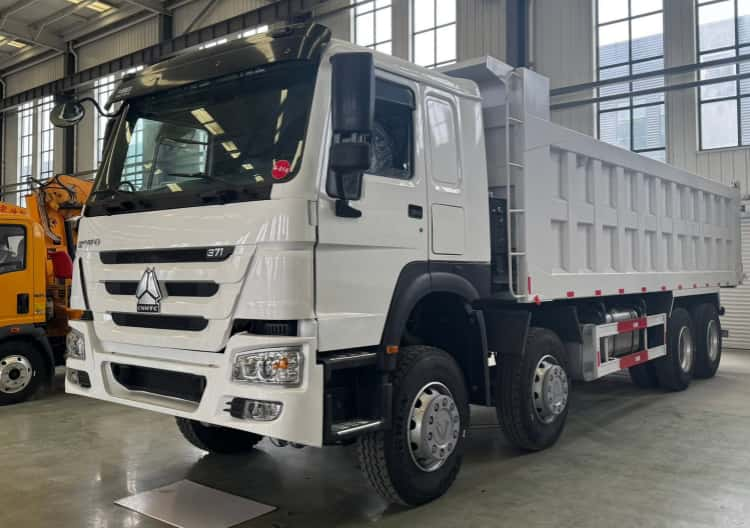
For REMAN ROAD certified heavy reman trucks for sale, depreciation starts from the reman reset date. The lifecycle reset creates a much flatter, more predictable depreciation trajectory. When fleets rotate assets after 2–3 years, residual value loss is modest. This makes balance sheet planning simpler and reduces the risk of large write-downs.
Broader financing options for certified heavy reman trucks
Lenders are often cautious about ordinary used trucks. Age, unknown fatigue history and absent inspection records make them high-risk collateral, which translates into high interest rates, large down payments or loan rejection.
REMAN ROAD certified heavy reman trucks’s full VIN-linked traceability package changes this dynamic. NDT reports, component renewal logs, loaded validation results and formal duty classification give lenders a clear view of asset quality and remaining service life.
This opens up more flexible financing structures: lower down payments, longer tenors and more competitive rates. Fleets can spread repayment over the asset’s certified second-life window, matching loan instalments to the revenue the truck generates from haul cycles.
Staggered, modular fleet expansion
Capital flexibility also means expansion does not have to be all-or-nothing. With new trucks, operators often feel pressured to buy in batches to hit volume discounts. That forces them to take on capacity they may not yet need.
Genuine heavy reman trucks for sale support modular scaling. Fleets can add one unit for a short-term municipal muck job, three units for a new quarry bulk contract, or slowly build up a 10-truck fleet over multiple project wins. Capacity grows alongside revenue, rather than ahead of it. This avoids carrying idle trucks that still burn insurance, registration and maintenance costs.
Separate asset risk from business cash flow
Every fleet carries two types of risk: operational risk and asset risk. New trucks carry heavy asset risk. If a major contract is cancelled, the operator still has large loan payments to cover. Cheap uncertified rebuilds carry hidden failure risk, which can trigger emergency repair bills and downtime losses.
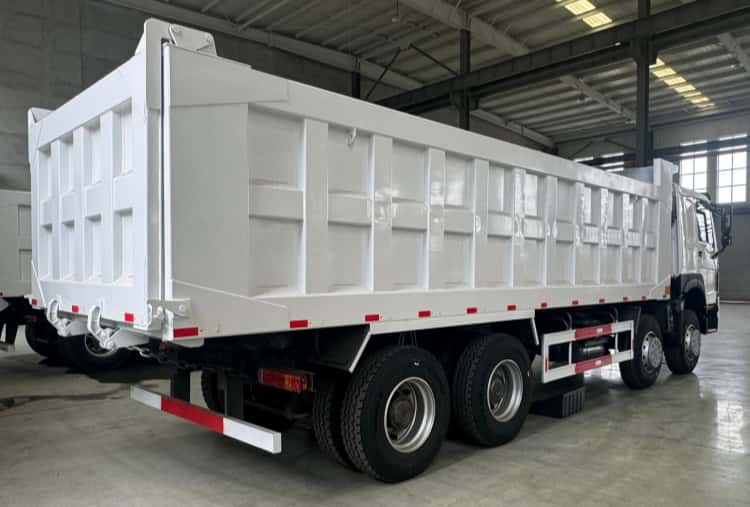
Certified heavy reman trucks for sale creates a middle ground. The capital exposure is moderate, and the risk profile is documented. Operators can plan for scheduled maintenance and known residual value, instead of facing sudden, unbudgeted structural failures. This makes cash flow forecasting far more reliable.
Align asset lifespan with contract duration
Many construction, municipal and quarry contracts are fixed-term. Buying a new truck for a 2–3 year project is financially inefficient. The truck still holds plenty of factory life after the contract ends, but the operator has already absorbed the heavy upfront depreciation.
REMAN ROAD certified heavy reman trucks are well suited for fixed-duration work. Engineers assign a clear second-life duty envelope and expected usable service window. Fleet managers can match the truck’s remaining lifecycle to the contract timeline.
When the project wraps, the asset can be resold, reassigned to another matching haul programme, or sent back for reassessment. Capital is only committed for the period the revenue stream exists.
Easier asset rotation and portfolio tuning
Capital flexibility is not only about buying — it is also about rebalancing the fleet. As site conditions change, some routes may shift from sand haul to heavy stone, or from paved municipal roads to rough quarry tracks.
A fleet built on genuine heavy reman trucks can be reshaped incrementally. Lower entry and exit costs make it practical to phase out units that no longer fit the duty profile, and bring in others better suited to new workloads. With a new-truck-heavy portfolio, this kind of tuning is expensive and slow.
Where heavy reman trucks is not the right capital choice?
Capital flexibility does not mean heavy reman trucks is suitable for every workload. For continuous, high-shock blast-pit mining operations where maximum structural margin is required, new OEM trucks remain the correct choice.
If heavy reman trucks is repeatedly pushed beyond its duty classification, accelerated wear and early failure will erase all capital advantages. The financial model relies on respecting the certified operating envelope.
Common pitfalls to avoid
- Over-leveraging even low-cost reman units to over-expand beyond confirmed contract revenue
- Mixing uncertified rebuilds with REMAN ROAD certified heavy reman trucks, which introduces unpredictable downtime risk that breaks cash flow plans
- Ignoring insurance and registration costs when modelling capital budgets
- Treating heavy reman trucks as a permanent solution for extreme heavy-duty cycles
Closing thought
Genuine heavy reman trucks for sale deliver capital flexibility by decoupling fleet growth from massive, one-time capital commitments. Lower upfront spend, stable depreciation, improved financing access and modular expansion let operators scale capacity alongside contracts, preserve working capital and reduce balance sheet risk. For construction, quarry and municipal fleets, REMAN ROAD is not just a cheaper truck alternative — it is a capital strategy that makes controlled, agile fleet expansion possible.