ESG Value: Carbon and Raw Material Savings From Standard Remanufacturing
Introduce
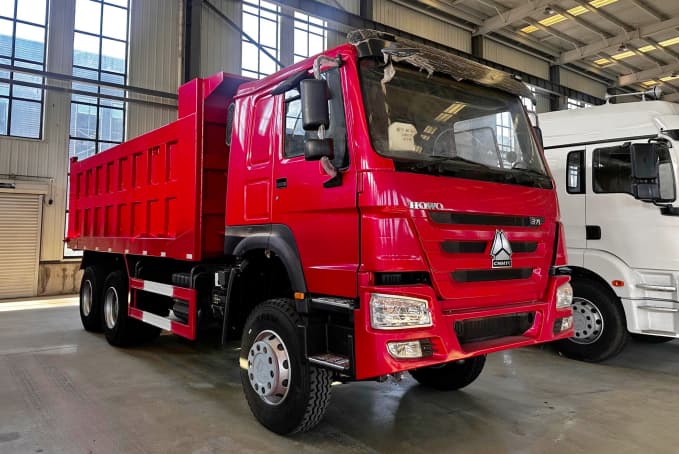
Heavy-duty truck manufacturing is extremely resource-intensive. Each new chassis requires large volumes of steel, castings, aluminium, rubber, lubricants and mined alloy materials. The smelting, forging, machining and assembly chain generates massive embodied carbon before the truck ever turns a wheel. Standard remanufacturing under REMAN ROAD does not merely extend service life. It preserves the carbon and material investment already locked inside reusable core components. This creates measurable ESG benefits, while still delivering a safety-validated asset for bulk haul, construction and municipal fleets.
Embodied carbon: the biggest emissions saving opportunity
Most fleet carbon reporting focuses on tailpipe fuel burn. But embodied carbon often makes up a large share of a heavy truck’s lifetime carbon footprint. Steel melting and casting for frame rails, axles, gearbox housings and engine blocks carry very high emissions.
Once these core castings and forgings are produced, they hold that carbon footprint for decades. Standard reman keeps these durable, high-carbon components in circulation. Instead of scrapping a truck and ordering a new chassis, the workflow screens the core via NDT, cleans, calibrates and renews only the fatigue-limited parts.
The carbon already spent to create the main structure is not wasted. The savings are substantial: compared to building an equivalent new truck, certified reman avoids the emissions from raw ore processing, metal smelting, heavy casting and full factory assembly.
Reduced raw material extraction and consumption
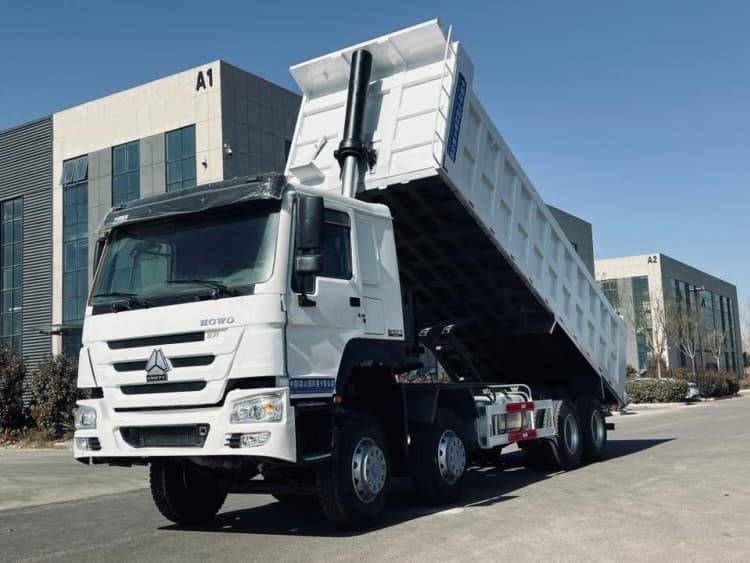
New truck production depends on continuous extraction of finite resources. Iron ore, coal, alloy metals, crude oil for plastics and rubber, and mineral additives all come with environmental impacts: habitat disruption, water pollution, waste tailings and high energy use. Standard reman separates components into three streams to minimise new material demand:
- Retain sound core castings and frame sections that pass fatigue and dimensional testing
- Replace only safety-critical wear parts such as seals, brake linings, bearings and fasteners
- Recycle unusable failed components through formal scrap channels
This drastically cuts the volume of virgin raw materials needed to put a working heavy truck into service. Scrap-and-recycle is not the same benefit. Recycling steel still requires re-smelting, which reintroduces heavy energy and carbon costs. Standard reman work keeps the finished component intact, skipping that energy-intensive loop.
Waste diversion from landfill and scrap chains
Without standard reman work, end-of-first-life heavy trucks follow a typical path: dismantling for random spare parts or full scrapping. Many structural parts that still carry usable residual life are shredded along with truly failed components. Rubber, oil residues, wiring and composite materials often become hard-to-process waste.
REMEN ROAD’s standard reman work sorts components systematically. Serviceable cores are retained for reman. Parts that fail screening are routed to regulated recycling. Hazardous fluids, old seals and contaminated materials are drained and disposed of according to environmental rules. This reduces the volume of mixed, contaminated heavy-vehicle waste entering landfill or informal scrap markets.
ESG value is auditable, not just marketing
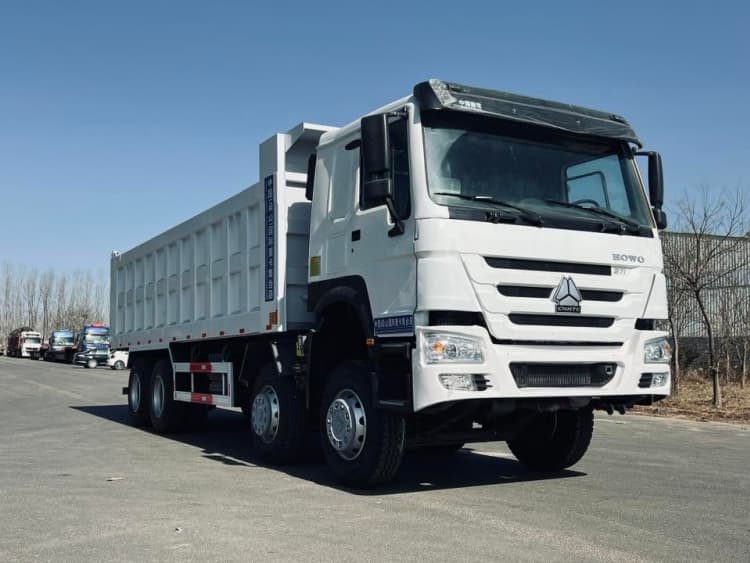
A key difference between standard remanufacturing and generic refurbishment is traceability. All core component retention records, material screening logs, fluid handling documentation and part replacement lists are tied to the VIN.
Fleets can use this data for ESG reporting, tender sustainability criteria, carbon accounting and stakeholder disclosures. Many municipal, infrastructure and mining clients now require contractors to demonstrate emissions reduction and circular economy practices. Certified standard reman trucks give fleets verifiable evidence, while generic used or rebuilt trucks cannot support formal carbon claims.
Important distinction: reman does not eliminate operational emissions
The carbon savings are concentrated in embodied emissions, not tailpipe emissions. A standard reman truck still burns diesel during haul cycles, same as a new truck of the same model.
However, during system calibration, REMAN ROAD standard reman work resets fuel maps, seals air intake pathways and fixes cooling and compression losses. This removes hidden fuel waste from drift and misalignment, bringing operational fuel consumption back to design baseline. This creates secondary operational carbon savings alongside the embodied carbon benefit.
Circular economy alignment
Traditional manufacturing is linear: extract → build → use → scrap. Standard reman closes a loop for high-value heavy assets. The chassis, axle housings and transmission casings are treated as long-life reusable capital goods, not single-cycle consumables.
When the reman truck reaches the end of its certified second-life duty window, the core can be reassessed again. If material margins remain acceptable, it can enter another reman cycle. This multi-life model is the core of industrial circularity for heavy transport.
How this translates to fleet commercial benefits?
ESG gains are not only for sustainability reports. They create tangible business upside:
- Qualification for green-focussed tenders and municipal projects with sustainability clauses
- Better alignment with customer supply chain carbon requirements
- Improved insurance and investor perceptions for larger fleet operators
- Ability to include verified carbon savings in sustainability KPIs
- Reduced reliance on volatile virgin material supply chains for new truck procurement
Boundaries and limitations
Standard reman truck’s environmental advantage only holds when it follows a full standard reman work. A cosmetic rebuild that repaints the cab and swaps a few parts does not deliver meaningful carbon or material savings. It still carries unknown fatigue risk, and it cannot claim circular economy credentials.
Also, standard remanufacturing is not a replacement for low-emission powertrain transition. It is a complementary strategy: optimising existing durable assets while longer-term zero-carbon transport solutions mature.
Closing thought
Standard remanufacturing unlocks clear ESG value by preserving the embodied carbon and raw material investment built into heavy truck core structures. By retaining qualified frames, axles and gearbox castings, REMAN ROAD avoids the enormous resource and emissions burden of new vehicle production, diverts waste from scrap loops and provides auditable circular-economy data for fleet reporting. For fleets, this means lower environmental impact alongside the familiar TCO and safety advantages of standard reman truck.