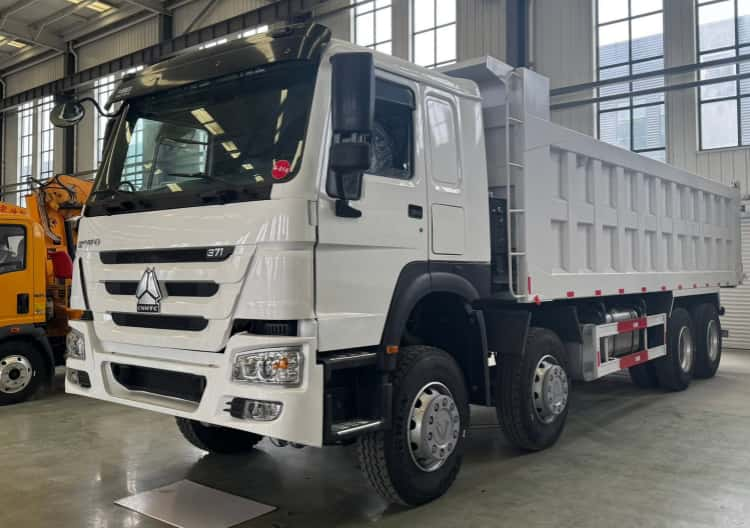
How Verified Traceability Reduces Procurement Risk for Reman Trucks?
Intro
The biggest procurement risk in reman trucks purchasing is information asymmetry. Sellers can claim a unit is fully remanufactured, but buyers have no simple way to confirm whether NDT scans were done, critical wear parts were replaced, or load testing was completed.
Verified traceability fixes this gap by creating a permanent, linked audit trail attached to each vehicle’s unique VIN. Every action from core intake inspection to final release test is logged and stored. For procurement teams importing trucks across borders, this trail turns subjective marketing claims into independently verifiable evidence before payment and shipment.
Traceability confirms the core was qualified before rebuild
The first risk point is buying a truck built on an unqualified, fatigued chassis. Ordinary rebuilds rarely keep formal intake screening records. REMROAD traceability starts at core receiving: original manufacture date, mileage, accident history, and full NDT scan data are saved. Procurement teams can review these records before approving the build. If the frame fails ultrasonic testing, the core is rejected, and the buyer avoids investing in a structurally high-risk asset. This stops bad cores from entering the production pipeline at the earliest stage.
It validates mandatory component replacement rules
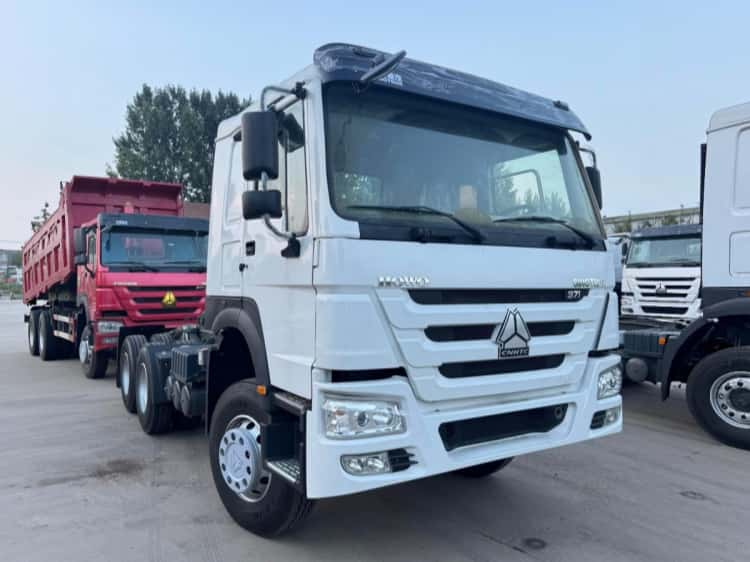
A common fraud tactic is marketing a partial rebuild as full reman, reusing old seals, bearings and fasteners that are near failure. The reman trucks traceability log records every part number, batch and installation date for all mandatory renewal items.
Procurement auditors can cross-check which components were renewed, which passed tolerance inspection for reuse, and which were scrapped. This eliminates the “partial reman” scam that plagues many informal markets. Buyers no longer need to rely only on visual inspection at the port.
Assembly and calibration records prove standardised workflow
Reman trucks traceability captures reassembly evidence: torque sequence logs, technician sign-off, and ECU/brake calibration snapshots. It also stores dyno and loaded road test results completed before release.
For procurement teams, these documents prove the truck followed the REMAN ROAD standard, not ad-hoc patch repair. When questions arise during customs inspection or site acceptance, the trucks reman records serve as objective proof of compliance. This is especially valuable for African conformity programmes such as SONCAP and PVoC.
Traceability clarifies warranty boundaries and reduces claim disputes
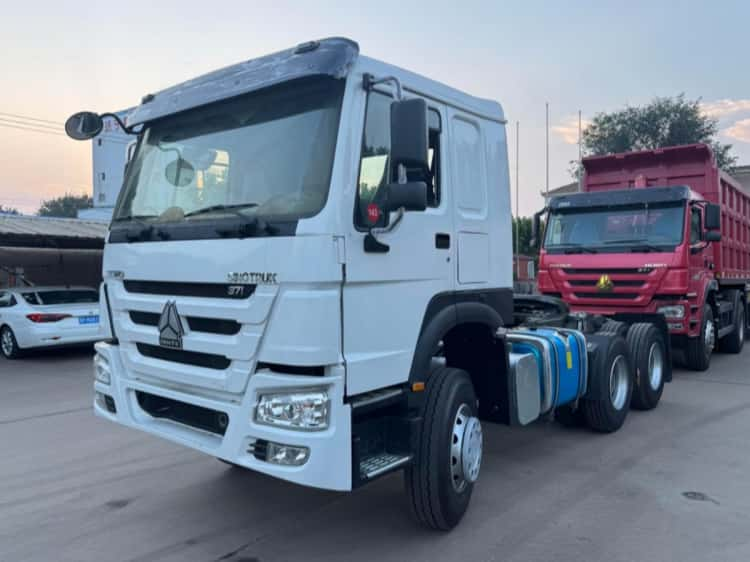
When a fault emerges after delivery, the verified reman trucks traceability file quickly identifies the component’s origin and service history. It distinguishes whether the failure stems from build quality, lack of scheduled maintenance, or operation outside the duty envelope. Instead of lengthy, he-said-she-said negotiations, both parties reference the same dataset.
This reduces warranty dispute risk and speeds up resolution for remote fleets. Procurement teams can negotiate clearer contract terms knowing evidence will exist to enforce them.
It supports transparent customs valuation and import compliance
Many African customs authorities struggle to differentiate verified reman trucks from ordinary used trucks. The full traceability package shows the scope of engineering work completed, supporting honest, defensible customs valuation.
Records prove the truck is not scrap, not new, and not a basic repair job. This lowers the chance of customs revaluation, fines, or port detention during clearance. For procurement teams managing bulk shipments, this removes a major hidden import risk.
Traceability preserves residual value during asset resale
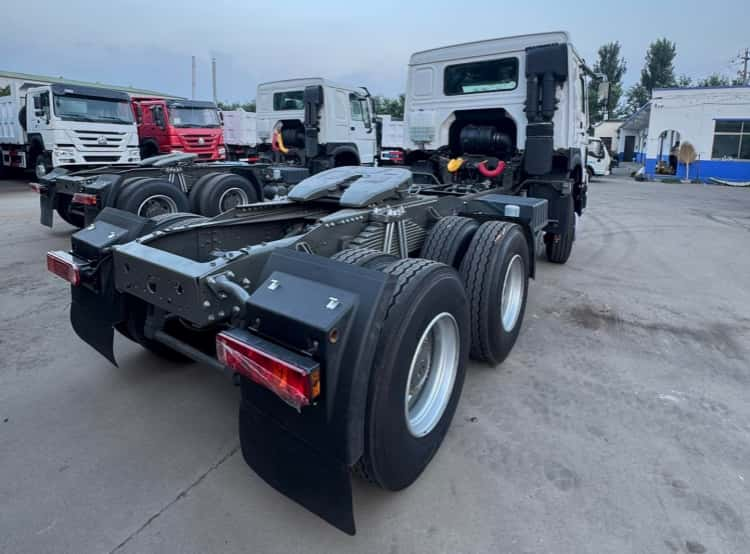
Procurement risk extends beyond the moment of purchase. Fleets also bear the risk of poor resale value when they rotate assets later. A transferable traceability log gives the next buyer confidence in the truck’s history. The grade and duty envelope stay linked to the VIN, so residual value is more predictable. This makes the whole asset lifecycle less volatile for fleet balance sheets.
Final Takeaway
Verified reman trucks traceability removes information asymmetry, letting procurement teams verify every critical step of the reman build. REMROAD’s VIN-linked audit trail turns unverified claims into auditable proof, lowering structural, component, compliance and warranty risk. For procurement buyers, the key takeaway is simple: traceability is not just paperwork — it is your independent proof that you are buying genuine verified reman trucks, not a disguised used truck.