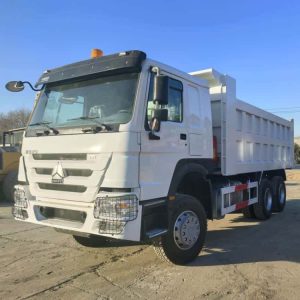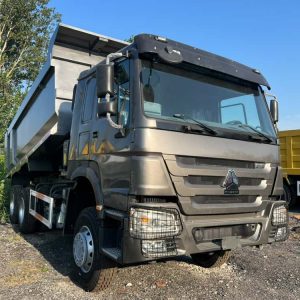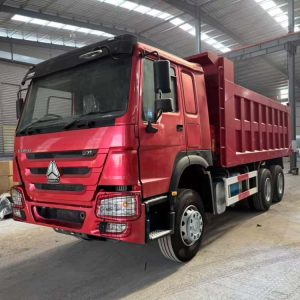
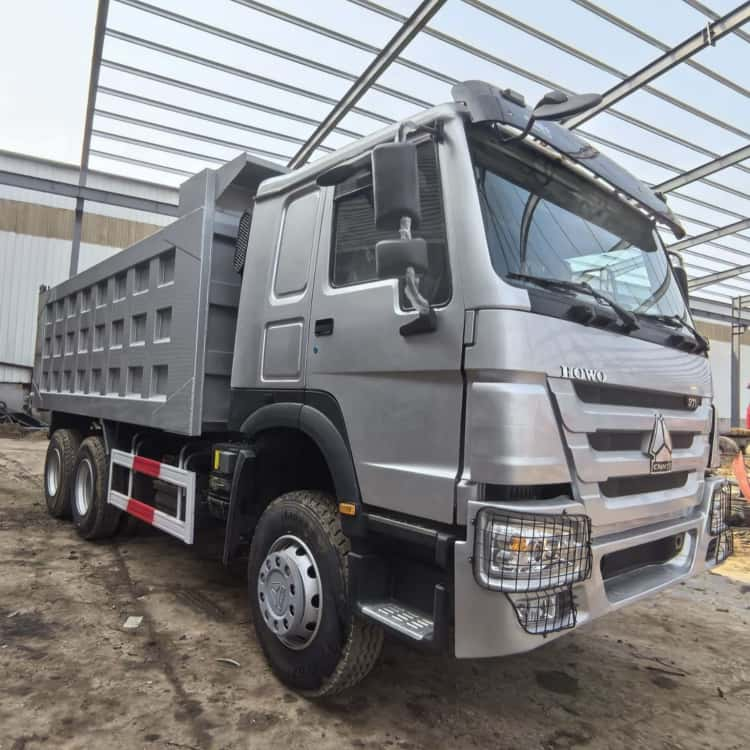
Standardized Reman Howo Dump Truck 6×4 371
REMAN ROAD standardized reman Howo 6×4 dump truck integrates safety restoration and performance reset for site haulage. Critical safety‑related assemblies receive priority inspection and renewal in reman workflow for construction‑site reliability.
Standardized Reman Howo Dump Trucks Description
- Safety stands as the core priority throughout the reman process for this Howo 6×4 dump truck. Chassis frame, suspension connection points, brake assemblies and hydraulic lifting pipelines are treated as key inspection objects; any parts with fatigue marks or hidden defects get replaced instead of simple patching.
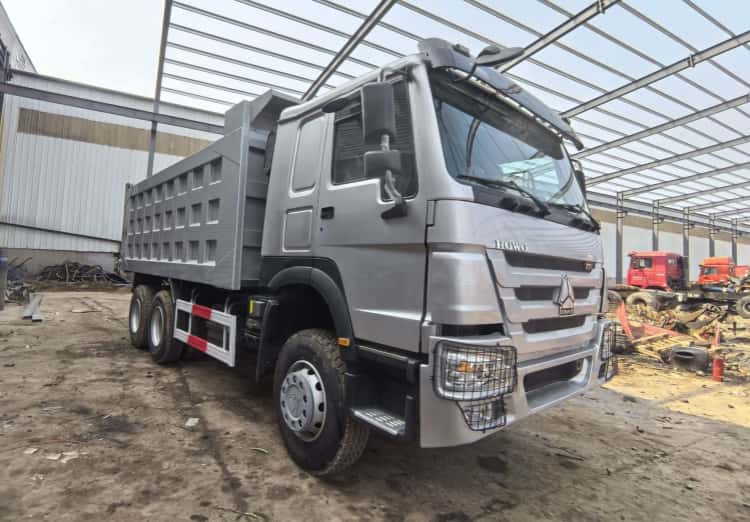
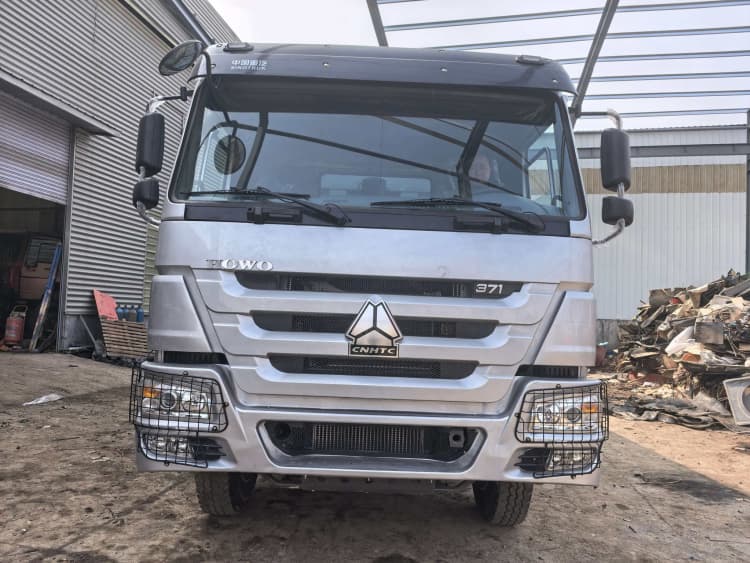
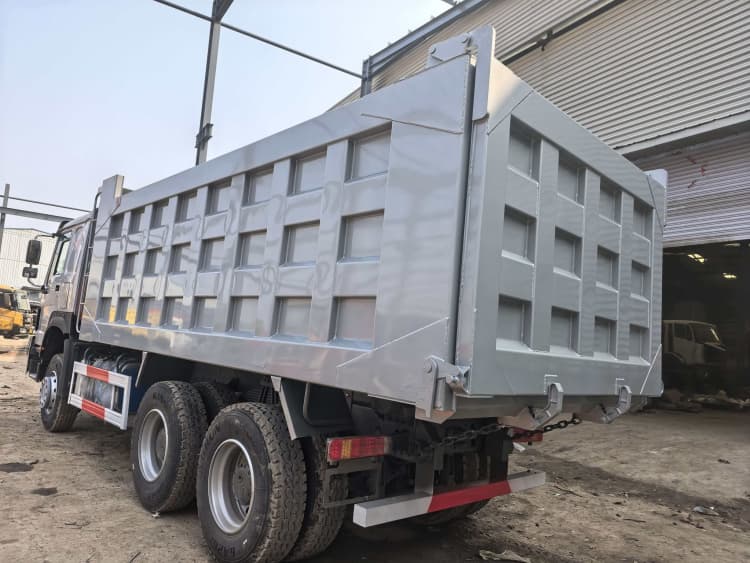
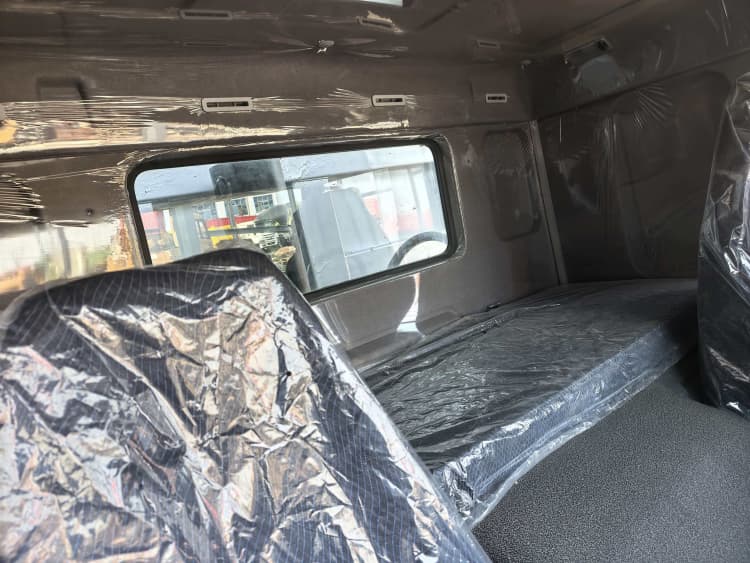
- Finished standardized reman Howo dump trucks run repeated braking simulation and full‑load lifting cycle tests, making sure the regenerated heavy‑duty tipper can handle high‑risk mining and construction site transport with dependable safety performance.
Technical Parameter Table
- Model: Standardized Reman Howo Dump Truck 6×4 371
- Engine: Fully torn‑down reman engine, wear measurement, part renewal and power bench calibration
- Gearbox: Remanufactured gearbox; friction assemblies renewed, shifting performance validated
- Axle: Reman drive & steering axles, gear tooth wear detection, bearing and seal renewal, differential lock function tested under load
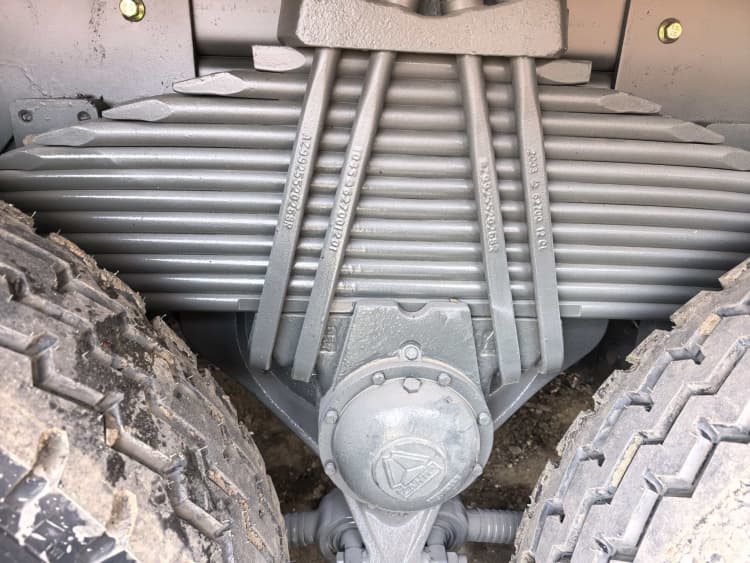
- Suspension System: Fatigued bushings, shock absorbers and high‑strength fasteners renewed
- Main Frame: NDT non‑destructive crack & deformation inspection; only qualified frame enters reman workflow
- Cargo Box: Deformation correction, weld seam defect inspection; severely damaged box eliminated
- Hydraulic Lifting System: Cylinder & valve group reman, all seals renewed, pressure‑holding test + full‑load cyclic dumping test
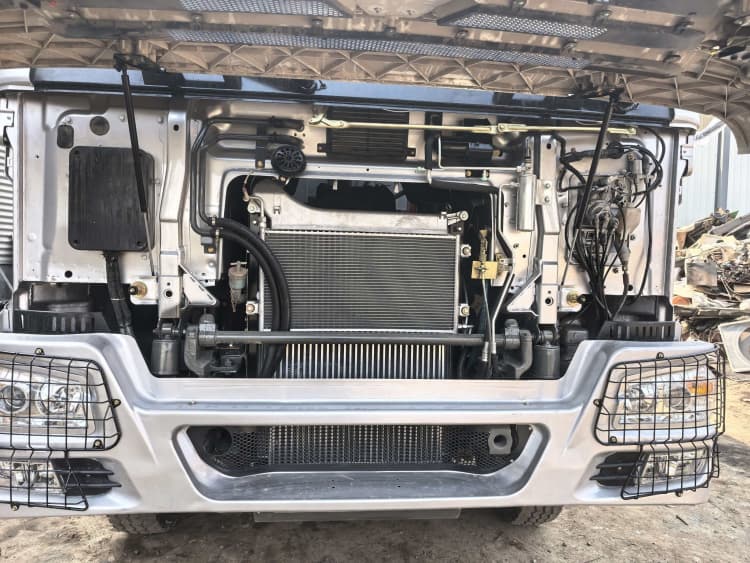
- Cab: Full cab inspection, structural fatigue check, interior and sealing restoration; deformed cab structure gets corrected or replaced
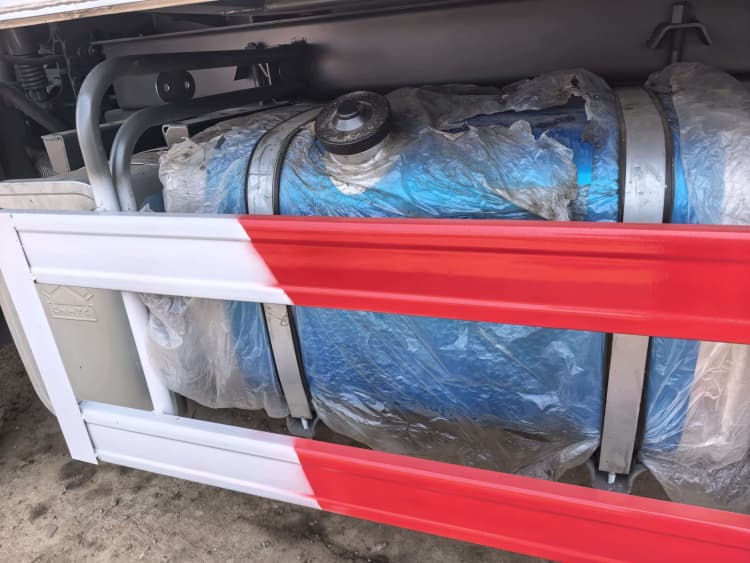
- Fuel Tank: Tank wall corrosion inspection, cleaning and leak test; damaged sealing gaskets and fuel pipelines fully renewed
- Electrical System: Aged sensors and worn wiring harness sections inspected and renewed
- Brake System: Reman air brake & ABS system; aging pipelines and sealing elements fully replaced
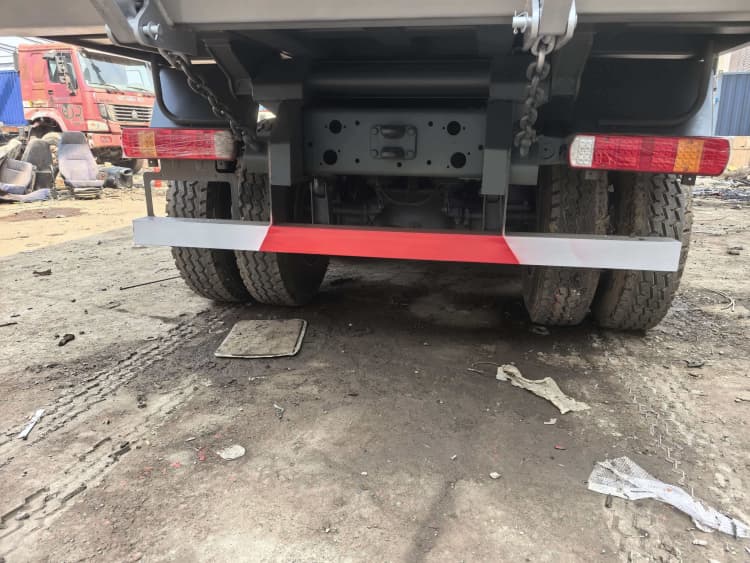
- Tires & Rims: Rim crack inspection; tires inspected for aging and damage, worn tires replaced to meet heavy-duty onsite requirements
Common Industry Misunderstandings About Reman Dump Trucks
- Misunderstanding 1: Remanufactured trucks equal old used trucks with new paint. Fact: Repainting is only auxiliary work; core value lies in component‑level performance reset.
- Misunderstanding 2: If a truck can drive normally, it has finished remanufacturing. Fact: Normal driving cannot prove hidden internal fatigue damage has been eliminated.
- Misunderstanding 3: Reman must replace all components with brand‑new spare parts. Fact: Qualified repairable core components can be restored instead of blind full replacement.
- Misunderstanding 4: Reman dump trucks cannot reach original rated payload. Fact: Standard reman restores design payload capacity for qualified base vehicles.
Reman Testing Items For Dump Truck Hydraulic Lifting System
- Full disassembly inspection for multi‑stage hydraulic cylinders, scratch and internal wear detection.
- Complete renewal of all sealing components to prevent oil leakage under heavy payload.
- Static pressure‑holding test to check pressure‑retention performance.
- Dozens of cycles of full‑load dumping simulation test, simulating real onsite repeated loading‑unloading working state.
RFQ
- Q1: What environmental value can reman HOWO dump trucks bring to construction fleets?
A1: Reman reuses qualified original vehicle base, reduces steel smelting and component manufacturing resource consumption, cuts carbon footprint for heavy‑duty asset input. - Q2: How does reman handle the cargo box of a heavily worn dump truck?
A2: Perform deformation correction, weld‑seam defect inspection, partial plate renewal for worn areas; severely distorted or cracked cargo boxes will not be remanufactured. - Q3: Can reman fix cumulative wear problems formed by years of off‑road heavy‑load operation?
A3: Yes. Full disassembly exposes cumulative wear of each assembly; targeted repairing and part‑replacement eliminate wear‑caused faults that partial maintenance cannot resolve. - Q4: What performance items will be tested on finished reman HOWO dump trucks before delivery?
A4: Main test items include powertrain output, brake performance, full‑load lifting cycle test, road driving stability, leakage inspection for hydraulic and air circuits. - Q5: Are all used dump trucks suitable for entering reman workflows?
A5: No. Vehicles with severely fractured frame, irreparable major structural damage cannot be remanufactured and should go for scrapping instead. - Q6: What misunderstandings exist regarding reman Howo dump trucks braking system restoration?
A6: A common misunderstanding is only replacing worn brake pads. Formal reman inspects the whole air‑brake circuit, valves, chambers and related pipelines instead of merely changing wearing parts. - Q7: How does reman balance repairing original components and installing brand‑new replacement parts?
A7: Follow the principle: repair usable qualified core components; fully replace components reaching fatigue limit or suffering irreparable damage, to guarantee comprehensive vehicle reliability.