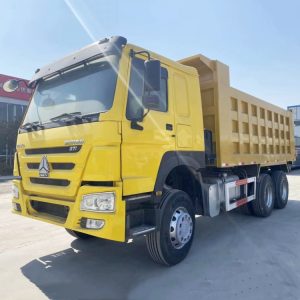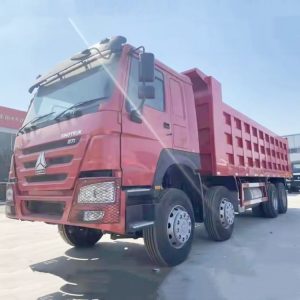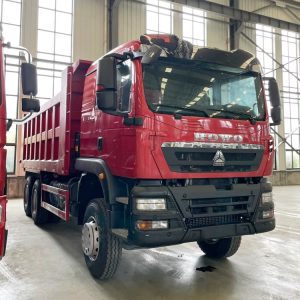
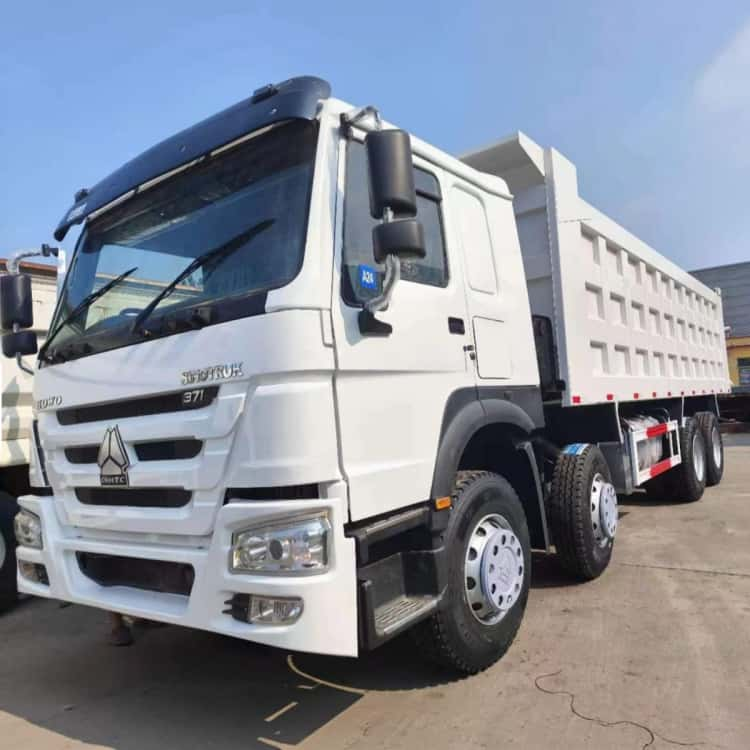
Reman Howo 8×4 Tipper Truck 371
Differentiated from superficial repainting and partial overhaul, REMAN ROAD genuine reman Howo tipper truck for sale implements full teardown and systematic component screening for reliable site performance.
Reman Howo 8×4 Truck Description
- Many market units labelled “remanufactured” only receive surface painting and local part replacement.
- REMAN ROAD reman Howo tipper truck for sale follows genuine industrial reman standards: full disassembly down to individual parts, fatigue detection, graded component reuse and mandatory replacement of time‑limited fatigue parts, so fleet buyers can avoid risks caused by pseudo‑remanufactured assets.
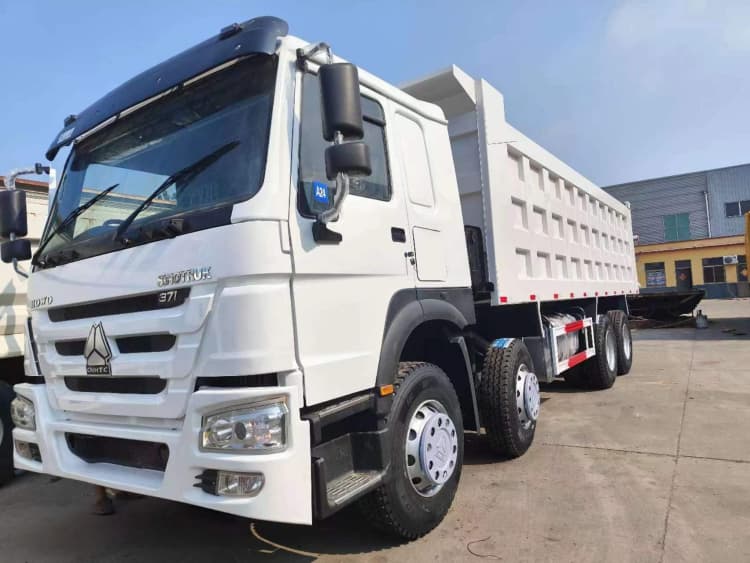
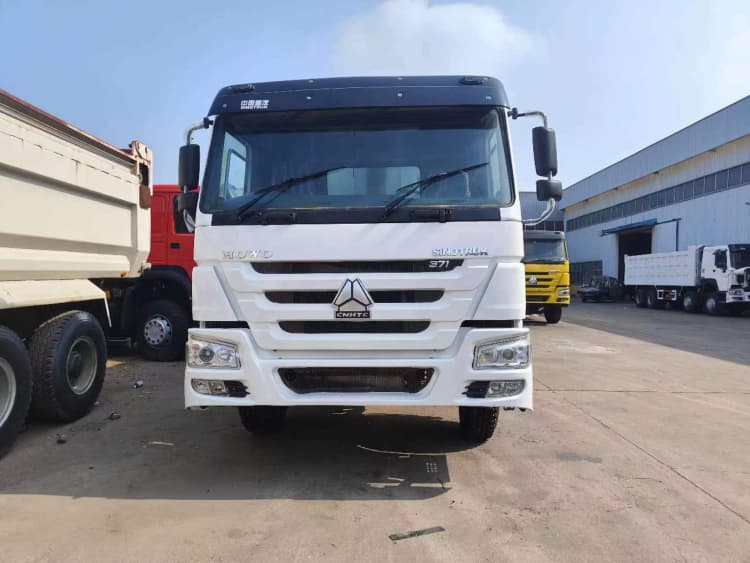
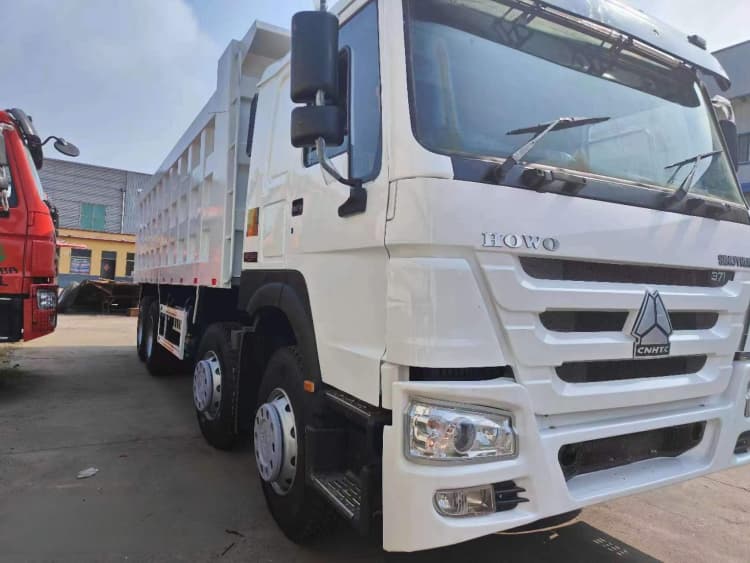
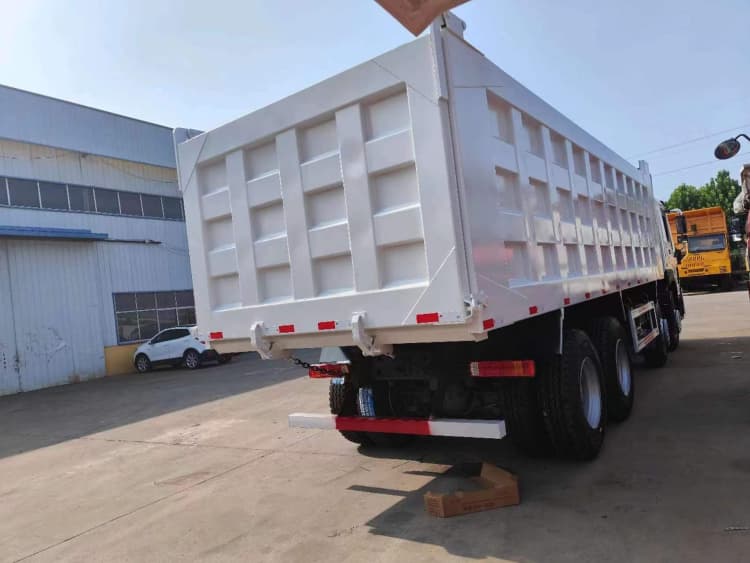
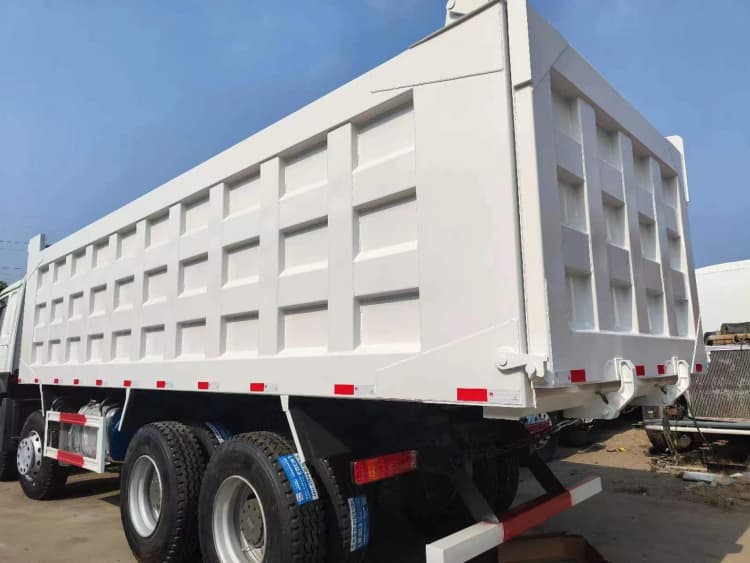

Technical Parameter Table
- Model: Reman Howo 8×4 Truck Tipper 371
- Engine: WD615.47, remanufactured, full disassembly + dynamometer bench test, performance restored to OEM near-new standard
- Gearbox: 10-speed manual, remanufactured, component screening and wear tolerance calibration
- Axle: Heavy-duty reinforced axles, reman NDT ultrasonic crack inspection, bearings & seals fully renewed
- Suspension: Multi-leaf spring, reman fatigue inspection, bushings & shock absorbers mandatory replacement
- Main Frame: NDT non‑destructive crack & deformation inspection; only qualified frame enters reman workflow
- Cargo Box: Heavy-duty welded dump body, reman NDT weld seam detection, stress reinforcement for impact working conditions
- Hydraulic Lifting System: Cylinder & valve group reman, all seals renewed, pressure‑holding test + full‑load cyclic dumping test
- Cab: Original HOWO cab, reman structural inspection, rust removal and interior refurbishment
- Fuel Tank: 400L steel fuel tank, cleaned, pressure tested and leak inspected in reman process
- Brake System: WABCO brake assembly, reman overhaul of valves and air chambers, all rubber seals replaced
- Tires & Rims: 12.00R20, full visual & thickness inspection, worn/cracked tires replaced during reman
How Reman Handles Hidden Fatigue of Heavy‑Duty Frame Rails?
Frame rail hidden fatigue is the most overlooked safety hazard for used dump trucks, and it is one core target solved by standardized reman workflows.
- Visual inspection cannot identify subsurface micro‑cracks generated by years of heavy payload and site impact.
- In formal reman, magnetic‑particle and ultrasonic scanning inspect every high‑stress welding point and bending area on main frame rails.
- Minor geometric deformation can be corrected under controlled mechanical calibration; any crack exceeding threshold leads to rejection of the base chassis.
- Reman documentation records frame inspection data, offering objective safety proof for fleet operators.
Component‑Grading Logic Inside Industrial Remanufacturing
Component grading is the technical heart of remanufacturing, deciding which parts get reused, repaired or scrapped, and separating formal reman from random repair work.
- Reusable components: pass fatigue detection and OEM dimensional tolerance check; receive cleaning and surface restoration before reassembly.
- Repairable components: slight wear within machining allowance; restored via grinding, honing or straightening to meet specification limits.
- Mandatory‑replaced components: fatigue‑limited parts including seals, bearings, fasteners and friction assemblies, regardless of apparent appearance.
- Scrap components: units with material cracks, permanent distortion or wear beyond repair allowance, must be sent for material recycling and cannot enter reassembly.
RFQ
- Q1: What preconditions must a Howo dump truck satisfy to enter formal remanufacturing processing?
A1: First, the chassis must not have penetrating frame cracks or permanent collision‑caused structural distortion. Key cast assemblies like engine blocks and axle housings must pass non‑destructive fatigue inspection. Units with irreversible tipper‑body deformation caused by long‑term severe overload will be eliminated and cannot enter reman workflow. Only assets whose structural foundation still holds reman potential can move to subsequent full‑disassembly processing. - Q2: Does remanufacturing mean replacing all old parts with brand‑new spare parts?
A2: No. Formal industrial reman adopts scientific component grading. Qualified high‑value components passing fatigue detection and dimensional tolerance checks will be cleaned, restored and reused. Fatigue‑limited consumables such as bearings, seals and high‑stress fasteners must be mandatorily replaced. Blind full replacement with new parts will lose the core economic and carbon‑saving value of remanufacturing. - Q3: Can visual inspection replace non‑destructive testing during reman processing?
A3: Definitely not. Visual checks can only discover surface cracks. Micro‑cracks inside frame rails, axle housings and weld seams cannot be observed by eyes. These invisible fatigue defects are major safety risks for heavy‑load dump trucks. Non‑destructive testing such as ultrasonic and magnetic‑particle inspection is mandatory for reman Howo tipper truck for sale production. - Q4: What is the difference between asset‑life reset and service‑life extension?
A4: Service‑life extension (from overhaul or repair) only fixes failed assemblies and prolongs residual operating time of an already ageing vehicle. Asset‑life reset for remanufacturing eliminates accumulated fatigue across the whole vehicle, restores key performance to near‑new OEM benchmarks and starts a brand‑new asset lifecycle for the vehicle.