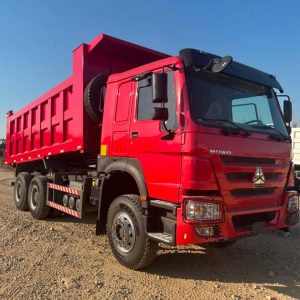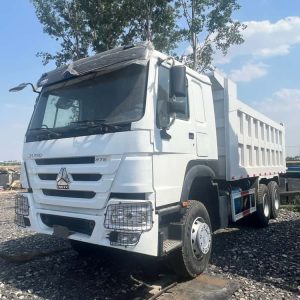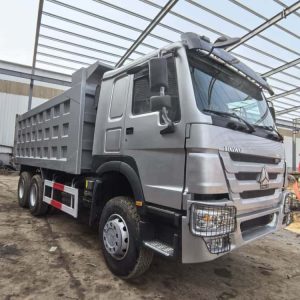
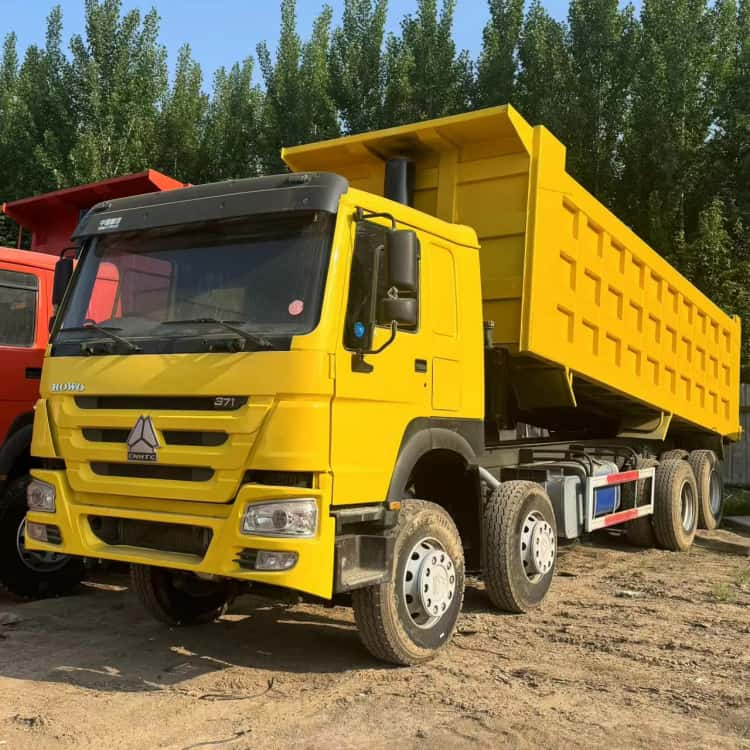
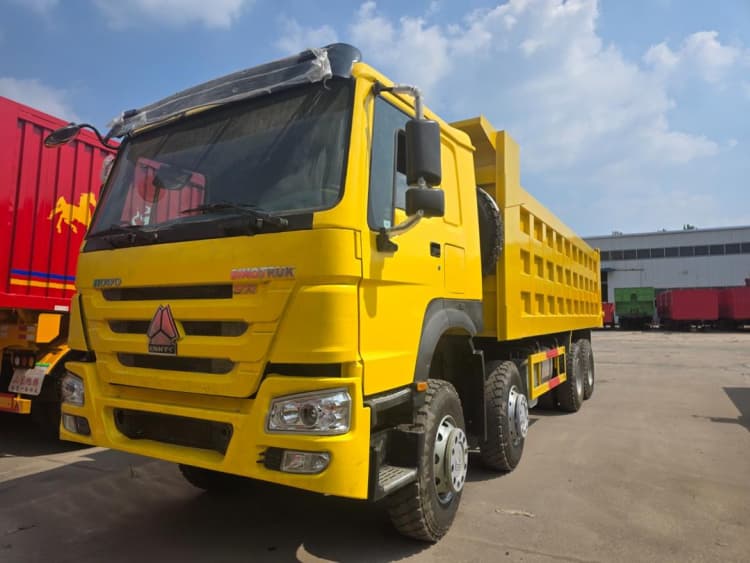
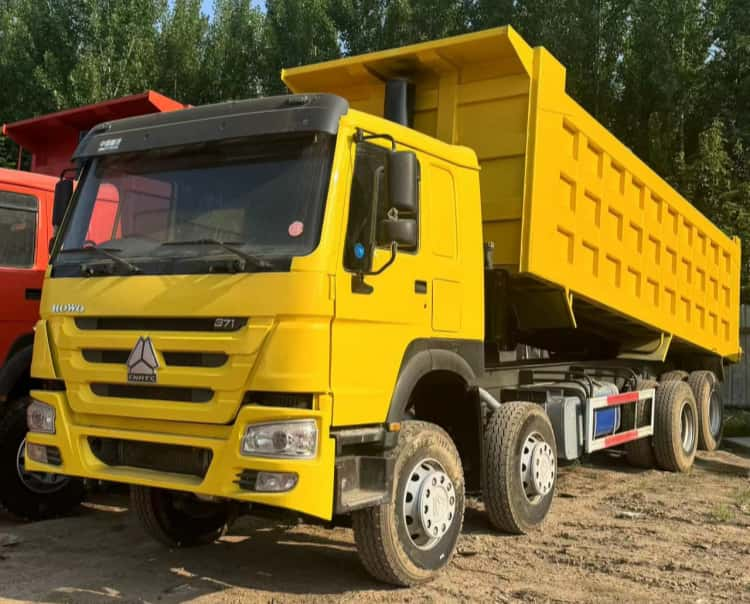
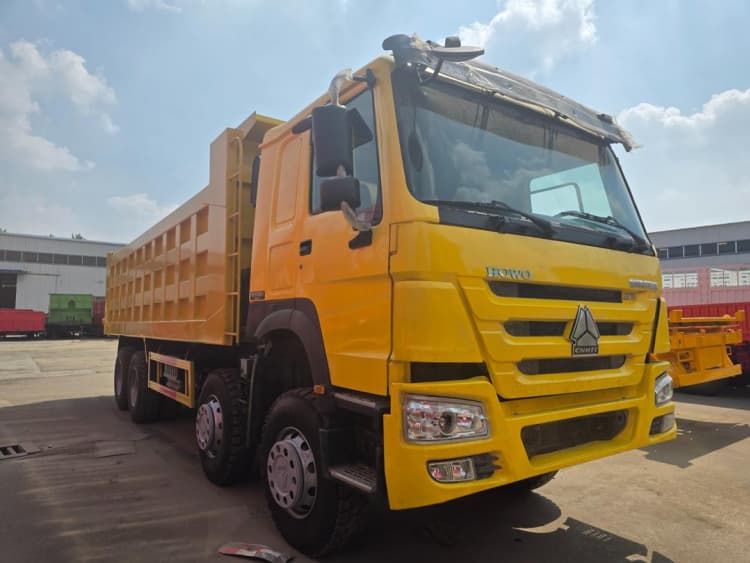
Reman Sinotruk Howo 8×4 371 Tipper Truck
REMAN ROAD genuine reman Sinotruk Howo 8×4 tipper truck balances reliable heavy‑load performance and controlled expenditure, helping fleets expand asset scale without heavy capital pressure.
Genuine Reman Sinotruk Howo 8×4 Description
- For construction and mining fleets facing tight capital budgets, REMAN ROAD reman Sinotruk Howo 8×4 tipper truck provides a practical asset solution.
- Through standardized reman processing, reman tipper truck for sale achieves near‑new operating performance, lowers one‑time procurement spending, and reduces long‑term risks of unplanned downtime compared with ordinary used trucks.
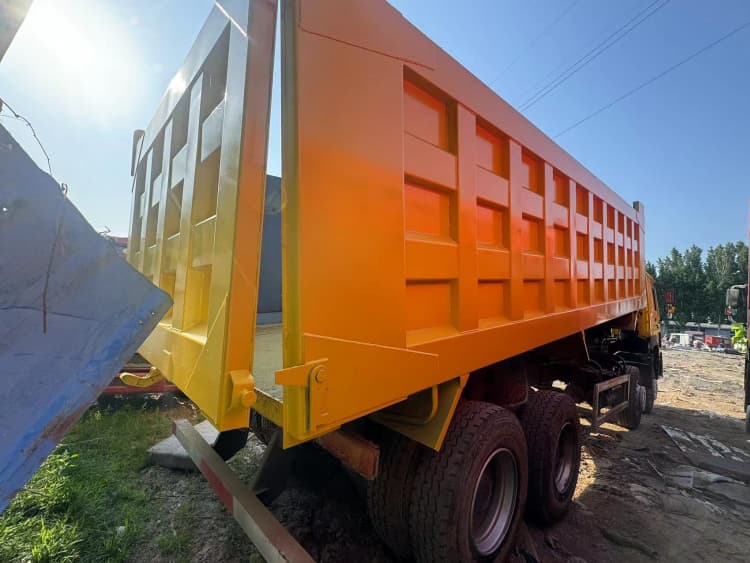

Technical Parameter Table
- Model: Genuine Reman Sinotruk Howo 8×4 371 Tipper Truck
- Engine: WD615.47, remanufactured, full disassembly + dynamometer bench test, performance restored to OEM near-new standard
- Gearbox: 10-speed manual, remanufactured, component screening and wear tolerance calibration
- Axle: Heavy-duty reinforced axles, reman NDT ultrasonic crack inspection, bearings & seals fully renewed
- Suspension: Multi-leaf spring, reman fatigue inspection, bushings & shock absorbers mandatory replacement
- Main Frame: NDT non‑destructive crack & deformation inspection; only qualified frame enters reman workflow
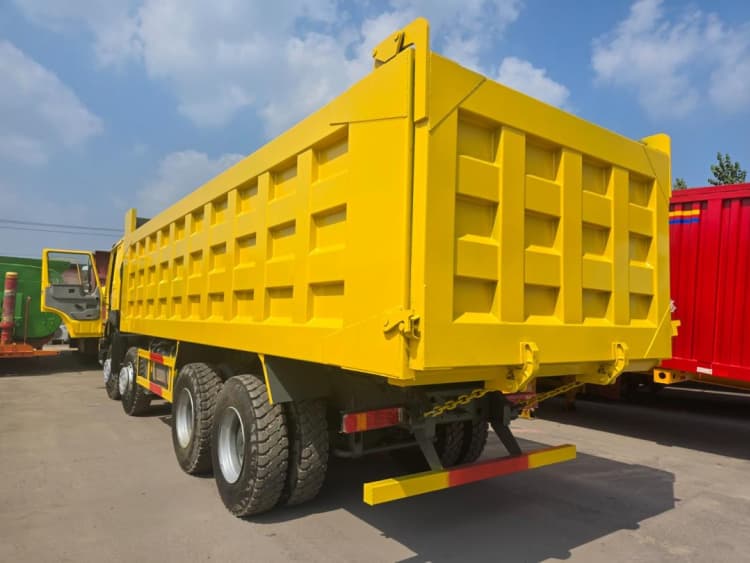
- Cargo Box: Heavy-duty welded dump body, reman NDT weld seam detection, stress reinforcement for impact working conditions
- Hydraulic Lifting System: Cylinder & valve group reman, all seals renewed, pressure‑holding test + full‑load cyclic dumping test
- Cab: Original HOWO cab, reman structural inspection, rust removal and interior refurbishment
- Fuel Tank: 400L steel fuel tank, cleaned, pressure tested and leak inspected in reman process
- Brake System: WABCO brake assembly, reman overhaul of valves and air chambers, all rubber seals replaced
- Tires & Rims: 12.00R20, full visual & thickness inspection, worn/cracked tires replaced during reman
How Reman Handles Hidden Fatigue of Heavy‑Duty Frame Rails?
Frame rail hidden fatigue is the most overlooked safety hazard for used dump trucks, and it is one core target solved by standardized reman workflows.
- Visual inspection cannot identify subsurface micro‑cracks generated by years of heavy payload and site impact.
- In formal reman, magnetic‑particle and ultrasonic scanning inspect every high‑stress welding point and bending area on main frame rails.
- Minor geometric deformation can be corrected under controlled mechanical calibration; any crack exceeding threshold leads to rejection of the base chassis.
- Reman documentation records frame inspection data, offering objective safety proof for fleet operators.
Component‑Grading Logic Inside Industrial Remanufacturing
Component grading is the technical heart of remanufacturing, deciding which parts get reused, repaired or scrapped, and separating formal reman from random repair work.
- Reusable components: pass fatigue detection and OEM dimensional tolerance check; receive cleaning and surface restoration before reassembly.
- Repairable components: slight wear within machining allowance; restored via grinding, honing or straightening to meet specification limits.
- Mandatory‑replaced components: fatigue‑limited parts including seals, bearings, fasteners and friction assemblies, regardless of apparent appearance.
- Scrap components: units with material cracks, permanent distortion or wear beyond repair allowance, must be sent for material recycling and cannot enter reassembly.
RFQ
- Q1: Why do reman tipper truck for sale require dedicated full‑load cyclic‑lifting testing?
A1: Dump trucks bear repeated impact and cyclic hydraulic lifting loads that tractors do not experience. Static pressure testing cannot simulate real‑world working conditions. Full‑load cyclic‑lifting testing verifies sealing performance of hydraulic cylinders, valve‑group response and structural stability of tipper assemblies, filtering out hidden faults that only emerge under real‑site heavy‑duty cycles. - Q2: If a reman tipper truck passes road testing, does that guarantee all internal assemblies are qualified?
A2: Not exactly. Road testing mainly verifies whole‑vehicle coordinated performance. If core assemblies skip independent bench testing before assembly, internal hidden defects may not surface during short‑duration road tests. Standard reman tipper truck for sale requires component‑level bench validation first, followed by final whole‑vehicle road validation; neither step can be omitted. - Q3: Can remanufacturing increase the factory‑rated payload of an original dump truck?
A3: No. Genuine reman tipper truck cannot raise original design payload limit. Its target is restoring the chassis back to original factory rated load‑bearing capability. If the base chassis suffers unrecoverable structural damage, it will be rejected at asset‑screening stage instead of being “strengthened” to carry extra payload. - Q4: What risks will fleets face when buying pseudo‑reman tipper truck for sale?
A4: Pseudo‑remanufacturing usually only does cosmetic painting and partial‑part replacement without full disassembly and fatigue detection. Hidden frame micro‑cracks, degraded hydraulic assemblies and fatigued load‑bearing parts remain. This brings frequent unplanned site breakdowns, major safety hazards and total‑cost loss far beyond the apparent low procurement price.