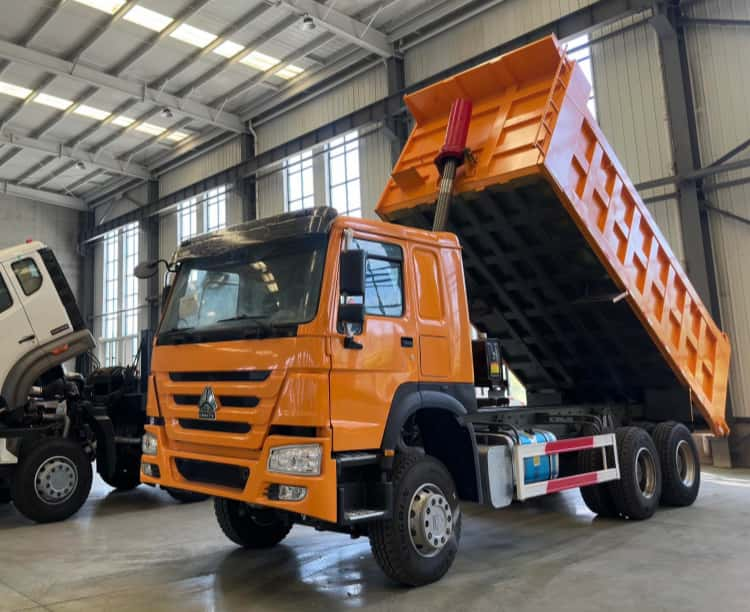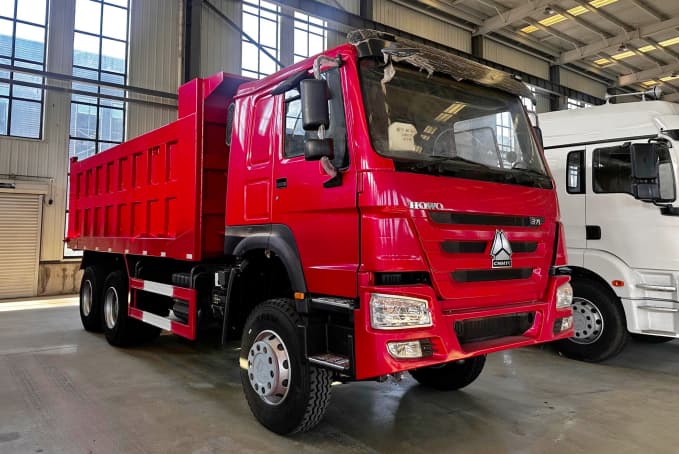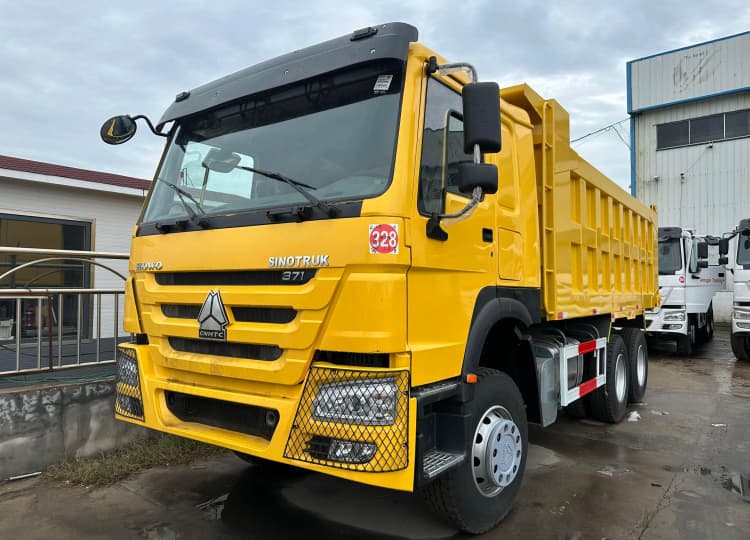
The Basic Workflow of Certified Remanufacturing for Heavy Duty Trucks
Introduction
Certified remanufacturing is not an informal sequence of workshop tasks. Under the REMAN ROAD standard, it follows a fixed, gated workflow. Every stage must be completed, documented and signed off before the asset moves to the next step. Skipping or simplifying any gate invalidates certification. This article lays out the end-to-end basic certified remanufacturing workflow workflow for heavy-duty truck, from incoming core inspection all the way to release with a full traceability dossier.
Core Intake & Eligibility Screening
This is the first certified remanufacturing workflow quality gate, before any disassembly begins. The incoming used truck core is checked for legal status and mechanical recoverability. The team verifies VIN integrity, ownership documents and absence of liens or theft records. Technicians conduct visual inspection, ultrasonic thickness measurement and high-level damage assessment to rule out units with catastrophic frame deformation, fire/thermal damage, severe through-corrosion, undocumented structural modifications or irreparable crash damage. Cores that fail this stage are diverted for scrap or material recycling. Eligible cores are registered in the digital system with a unique VIN traceability folder.

Full Disassembly & Systematic Stripping
Once approved, the truck is fully disassembled down to individual components for all safety-critical assemblies: chassis frame, powertrain, steering, suspension, axles and brake systems. Fasteners, seals, gaskets, hoses and consumables are set aside for replacement.
All components are tagged with identification markers linked to the VIN. Paint, rust scale, grease and filler coatings are removed in dedicated cleaning stations. Cleaning is essential because surface layers hide cracks and corrosion that NDT must detect. Partial or selective teardown is not accepted for certified remanufacturing.
Dimensional Inspection and Non-Destructive Testing (NDT)
Every load-bearing and safety-critical part undergoes two layers of inspection.
- First, dimensional checks confirm whether components remain within OEM-specified tolerances for wear, distortion and clearance.
- Second, mandatory NDT — magnetic particle, ultrasonic or radiographic testing as applicable — screens for subsurface fatigue cracks, weld defects and hidden material damage that visual inspection cannot catch.
Test results are logged immediately. No high-risk component moves forward without a formal inspection record.
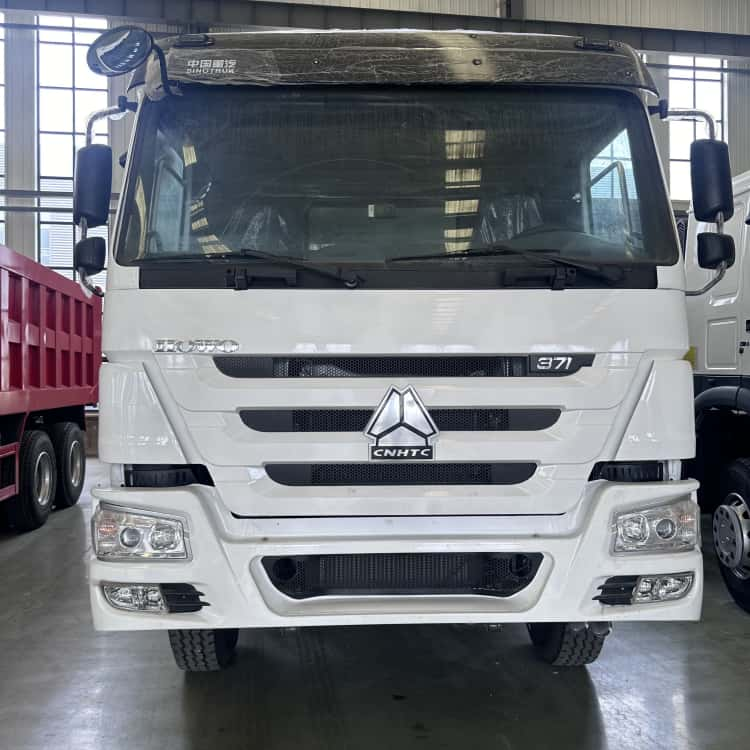
Component Grading, Rework or Scrapping
Based on inspection and NDT results, each disassembled part falls into one of three auditable grades:
- Reusable: Meets all dimensional and material criteria; can proceed to reassembly as-is.
- Repairable: Defects can be corrected under approved engineering procedures and WPS specifications, followed by re-inspection and re-testing.
- Mandatory scrap: Fatigue cracks, excessive thinning or permanent deformation cannot be reliably repaired; these parts are quarantined and scrapped, even if they still function.
Replacement parts used to fill scrap positions must be traceable and meet defined quality benchmarks. Unvetted low-grade generic parts are prohibited for safety-critical locations.
Controlled Reassembly and Calibration
Reassembly follows standardised certified remanufacturing workflow instructions, torque sequences, clearance settings and OEM-aligned calibration rules. All disposable consumables including seals, gaskets, O-rings and locking fasteners are replaced.
Subsystems are built step by step: powertrain, axles, steering, suspension, air and hydraulic circuits. Technicians log critical torque values and assembly notes. After assembly, sensor matching, ECU calibration and system bleeding are completed to ensure all subsystems communicate and operate correctly together.
Bench Performance Validation
Before road trial, the finished certified reman vehicles passes formal bench testing, the core functional validation gate:
- Dynamometer test: Verify rated power, peak torque, fuel consumption, blow-by and thermal stability under sustained load cycles.
- Hydraulic bench test: Check relief valve setting, pressure retention, cycle speed and leakage for steering and tipping circuits.
- Brake bench test: Measure air leakage, axle brake force, left-right balance, response time and parking brake holding capacity.
All test data curves and pass/fail results are saved. Any threshold failure triggers disassembly, rework and a full repeat of bench testing. A simple idle run or quick road drive cannot substitute for bench validation.
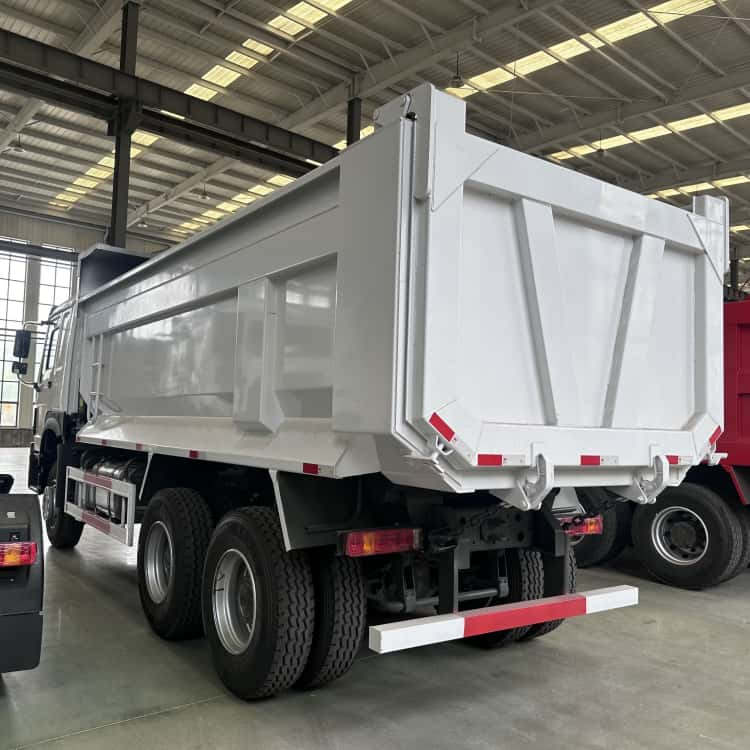
Final Visual & System Integration Inspection
After successful bench testing, inspectors run a combined system check. They confirm no cross-subsystem conflicts occur when multiple systems operate simultaneously, such as hydraulic pump engagement while the engine is under dyno load. Leak checks, wiring integrity, lighting, ABS and auxiliary controls are verified. This certified remanufacturing workflow stage catches assembly oversights that isolated bench tests may miss.
Dossier Compilation, Conformity Sign-Off & Certification Release
All records from the entire certified remanufacturing workflow are compiled into one permanent VIN-linked digital dossier: intake forms, disassembly checklists, cleaning logs, dimensional and NDT reports, grading records, rework approvals, bench test data and final inspection sign-offs.
A qualified quality manager reviews the full audit trail and issues the REMAN ROAD conformity statement. Only after this final review is the certified reman truck released for delivery. The complete dossier supports fleet audits, tender submissions, ESG carbon verification and cross-border customs classification.
Handover and Warranty Activation
At handover to the fleet buyer, the supplier shares access to the traceability dossier alongside warranty terms. The warranty scope clearly defines covered assemblies, service limits and required scheduled maintenance, aligned with the certified remanufacturing baseline rather than new-vehicle OEM coverage.
Closing
The certified remanufacturing workflow is built around sequential, non-negotiable quality gates, designed to eliminate latent fatigue and reset the vehicle’s lifecycle baseline. Core screening, full disassembly, NDT inspection, formal component grading, controlled reassembly, bench validation and full traceability together separate this process from ordinary repair, overhaul or casual second-hand rebuild.
For fleet operators in Africa, Central Asia and other emerging markets, this repeatable certified remanufacturing workflow workflow is the foundation of predictable reliability, tender eligibility and controlled TCO.