Reducing Scope 3 Emissions Through Heavy Truck Remanufacturing
Intro
Many African mining and haulage fleets focus their sustainability efforts on fuel consumption, overlooking Scope 3 emissions hidden in upstream supply chains. Scope 3 covers all indirect emissions created outside a company’s direct operations, including the carbon released to manufacture raw materials and vehicle hardware.
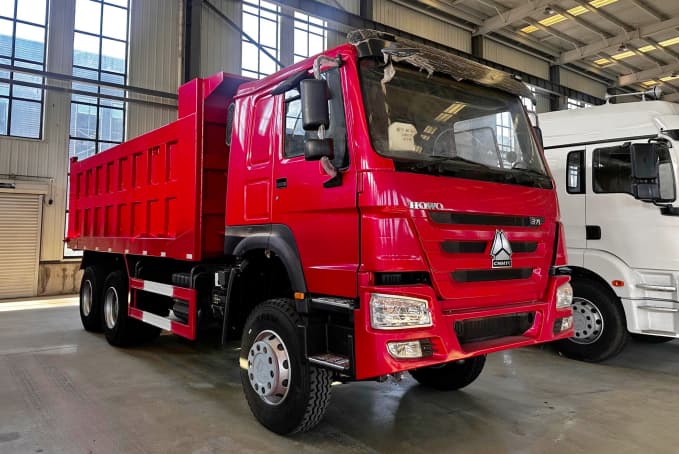
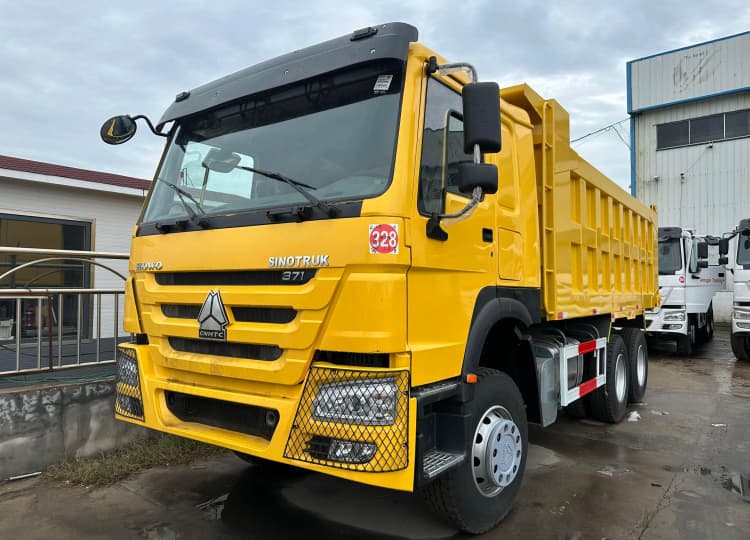
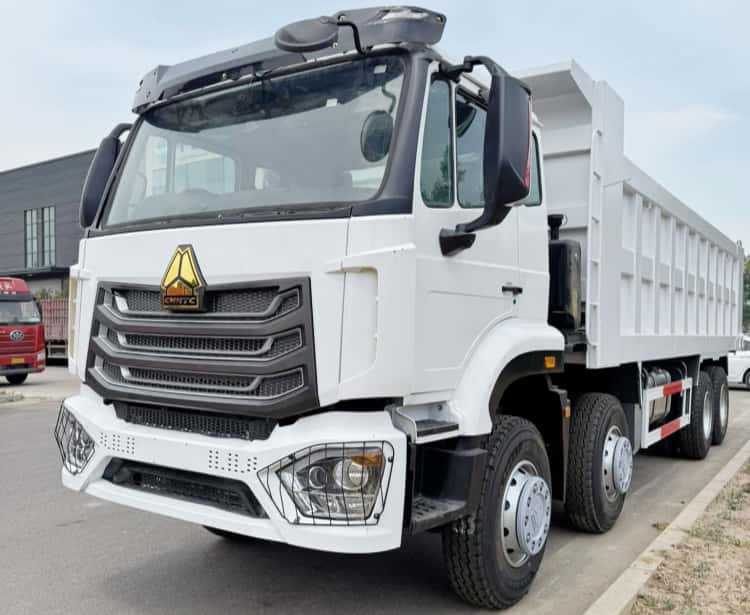
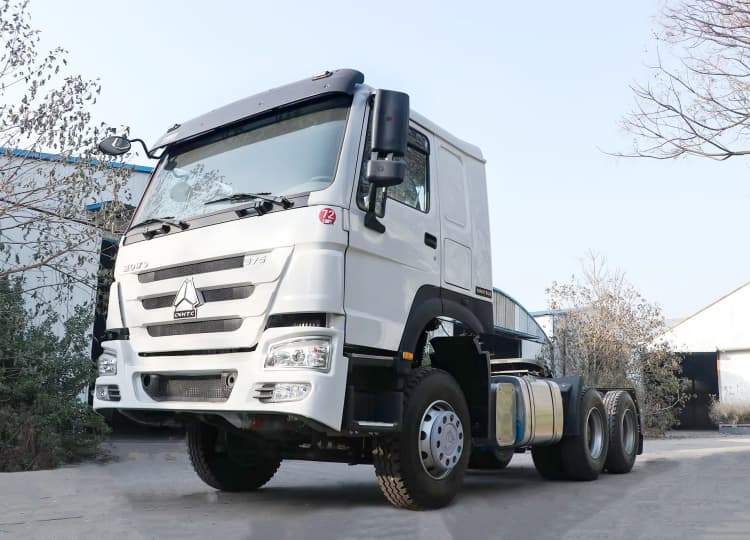
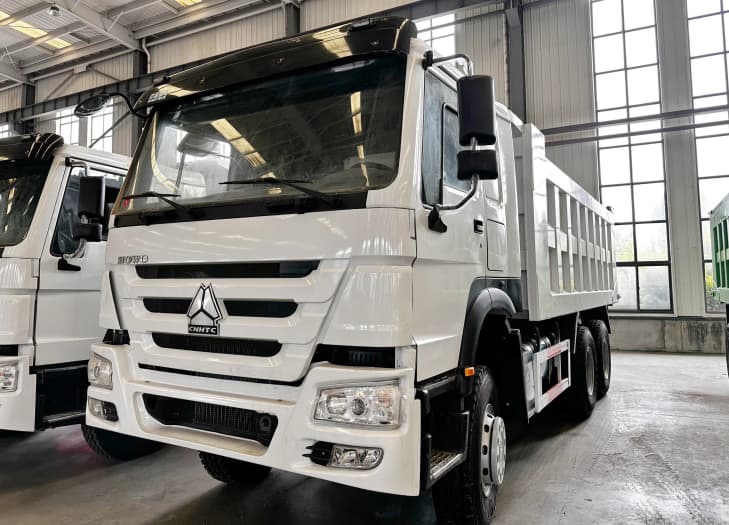
Buying a brand-new heavy truck locks in a large one-time carbon footprint from steel smelting, casting, machining and component manufacturing. Certified heavy truck remanufacturing offers a proven alternative pathway. Instead of scrapping a service-retired chassis and ordering a replacement, fleets reuse qualified structural cores, avoiding the emissions burden of producing a brand-new truck from scratch. REMAN ROAD’s standardised engineering and traceability framework makes these emission reductions measurable and auditable for formal ESG reporting.
Where the heavy truck’s Scope 3 carbon footprint originates?
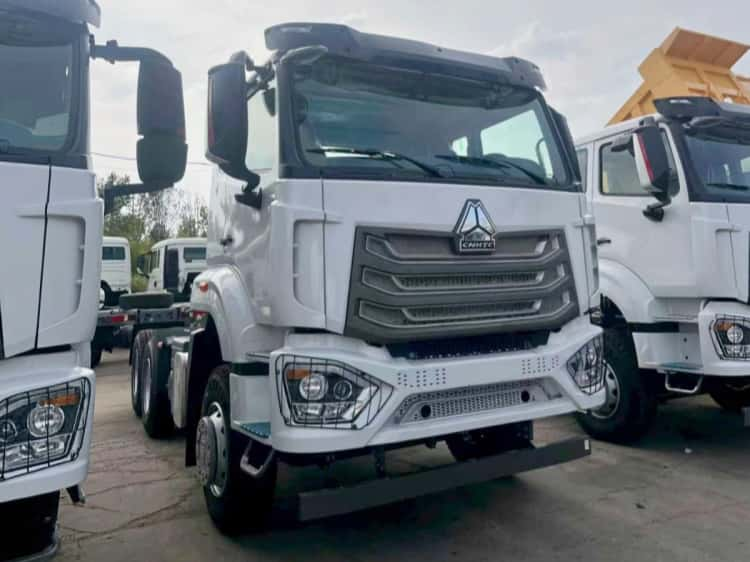
The majority of a heavy tipper or tractor’s lifecycle carbon is embedded before the truck starts hauling cargo. Steel frame production, forging of suspension parts, engine casting and component fabrication all rely on energy-intensive industrial processes. These emissions fall into Scope 3 for the fleet operator, because the manufacturing activity happens at the supplier level, not on the fleet’s site.
Even when a new truck is fuel-efficient, its upfront embodied carbon creates a large carbon debt that can take years of highway operation to offset. Heavy truck remanufacturing targets this debt directly by retaining the existing, already-manufactured structural base.
Heavy truck remanufacturing cuts Scope 3 by avoiding core replacement
A genuine REMAN ROAD heavy truck remanufacturing build starts with full disassembly and NDT screening. Only cores verified free of critical fatigue cracks are retained for a second lifecycle. The load-bearing chassis, major cast brackets and many heavy structural components stay in service, so there is no need to produce a new frame assembly. Only consumables, seals, bearings and worn driveline parts are replaced.
Each industrial reman trucks eliminates the Scope 3 emissions that would be generated from melting scrap, rolling new steel, machining frames and transporting new heavy components. This is fundamentally different from simple repair, which does not preserve the whole asset’s circular carbon benefit.
Traceability turns emission savings into reportable ESG data
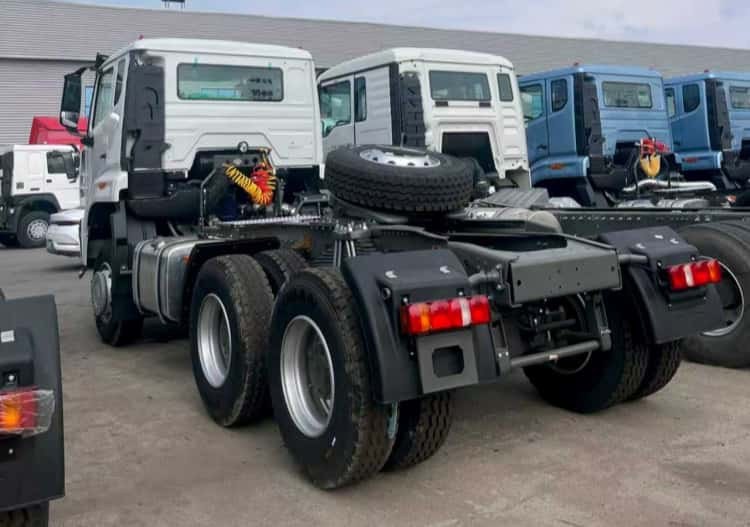
A key challenge for Scope 3 accounting is proving emission reductions are real, not just marketing claims. REMAN ROAD’s VIN-linked traceability log captures core intake inspection, component sorting records and build scope. Fleet sustainability teams can calculate avoided embodied carbon based on the retained chassis and reusable assemblies.
This auditable trail supports disclosure for ESG frameworks, customer sustainability requirements, and carbon reporting for cross-border mineral and infrastructure contracts. Uncertified refurbishment cannot supply this evidence, so its carbon savings cannot be formally recognised.
Scope 3 reduction does not eliminate operational emissions
Heavy truck remanufacturing reduces upstream manufacturing emissions, but it does not erase tailpipe emissions from fuel combustion. Fuel burn remains part of the fleet’s operational Scope 1 footprint.
When heavy truck remanufacturing are calibrated for local climate and fuel quality, well-tuned engines can hold steady fuel efficiency, limiting additional operational carbon.
Fleets can combine reman’s Scope 3 advantage with eco-friendly maintenance practices, such as scheduled oil analysis and filter replacement, to control total carbon across the whole asset lifecycle.
Mixed fleet strategy for balanced carbon targets
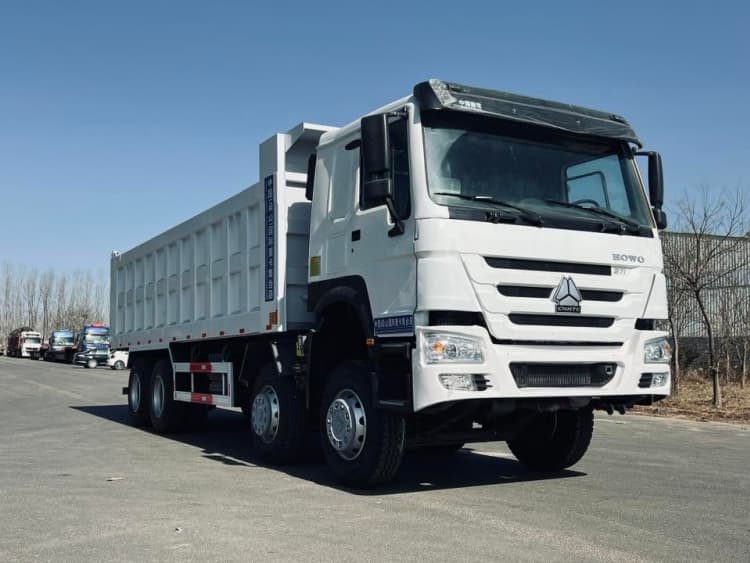
Fleets pursuing net-zero roadmaps can build a balanced asset mix. New trucks may be required for ultra-low-emission zones or premium long-haul contracts. Industrial reman trucks absorb high-volume off-road and bulk haulage work, delivering measurable Scope 3 cuts without the high CAPEX of all-new fleet expansion.
This approach is especially practical for African operators, where capital constraints and limited low-emission truck supply create barriers to full fleet electrification. Heavy truck remanufacturing acts as a transitional, cost-effective circular solution for hard-to-abate heavy off-road transport.

Guardrails for credible carbon accounting
Not every retired chassis qualifies for carbon-saving reman. Cores with irreversible fatigue, severe corrosion or frame deformation must be scrapped. Counting emission savings on an unsafe core that will quickly fail and re-enter scrap flow undermines the integrity of Scope 3 reporting.
The duty envelope also plays a role: operating industrial reman trucks beyond its rated cycle will accelerate wear and shorten its second life, reducing the total carbon benefit over time. Carbon accounting must respect the engineering limits of the reused asset.
Final Takeaway
Heavy truck remanufacturing cuts Scope 3 emissions by avoiding the massive embodied carbon cost of producing brand-new chassis and structural cores. REMAN ROAD industrial reman trucks certification and traceability make these savings verifiable for formal sustainability reporting. For fleet sustainability leaders, the key takeaway is simple: reducing Scope 3 is not only about burning less fuel — it is about not remaking steel you already have.