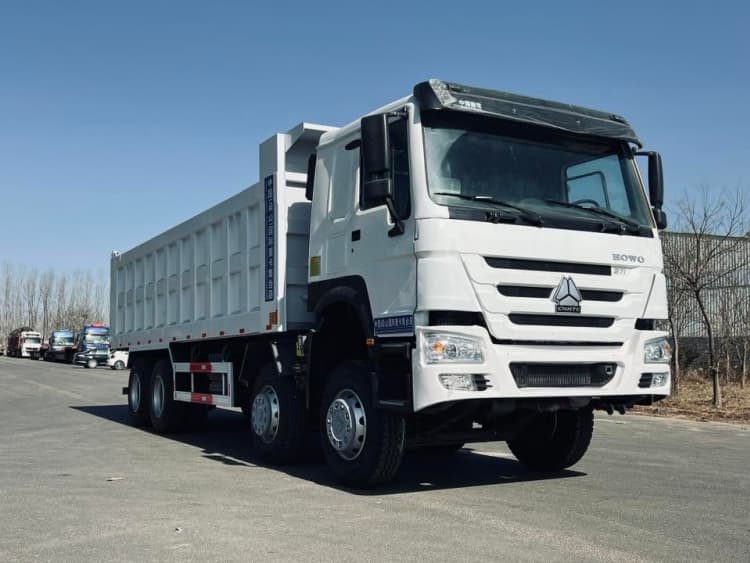
What a Standard Reman Warranty Means for Heavy Vehicle Fleets?
Introduction
Many fleet buyers assume a reman warranty works the same way as an OEM new-vehicle warranty. This misunderstanding creates false expectations, disputes and budget surprises when failures occur. Under the REMAN ROAD framework, the standard reman warranty is built around the vehicle’s verified reman baseline — it protects against defects arising from the reman process itself, rather than promising the same durability profile as a brand-new truck.
This article explains exactly what the standard reman warranty delivers, what it excludes, fleet responsibilities and how it shapes TCO planning and procurement decisions.
Core definition: Warranty covers reman workmanship and validated components
A REMAN ROAD standard reman warranty is a guarantee that the certified reman process, inspected components and assembly work meet the published standard. It applies to defects caused by:
- Improper disassembly, cleaning or NDT oversight during remanufacturing
- Non-compliant reassembly, incorrect torque, calibration or fitting errors
- Failure of components installed during reman that passed grading and test criteria
- Bench-tested subsystems (powertrain, brake, hydraulic circuits) failing within the warranty period for process-related reasons
It is not a blanket guarantee that the truck will never break down. Wear still occurs during normal operation, and normal consumable degradation is not covered.
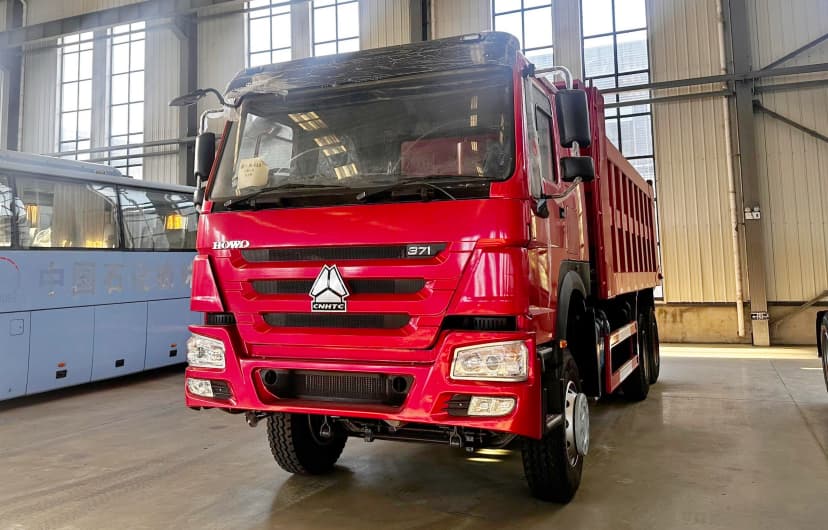
What a standard reman warranty typically includes?
Coverage is tied to the scope of work completed in the standard reman workflow:
- Load-bearing and powertrain components that were inspected, reworked or replaced in reman
- Engine, transmission, axle assemblies validated on dynamometer and test benches
- Brake and hydraulic systems that passed bench performance testing
- Workmanship errors in assembly, sealing and calibration
- Diagnostic labour for warranty-eligible failures (subject to contract terms)
- Traceability support to cross-check component grading and test records from the VIN dossier
Warranty terms are usually defined by a dual limit: a set period (e.g. months) or operating mileage, whichever comes first. This is clearly stated in the sales agreement.
What is normally excluded (critical for fleet planning)?
These exclusions are the most frequent source of disputes and must be understood by fleet managers:
- Consumable parts subject to routine wear: filters, brake linings, tyres, hoses, belts, batteries, lights and seals that degrade with normal use
- Damage from overloading, improper operation, off-spec fuel, poor lubrication or neglected scheduled maintenance
- Modifications made by the fleet or third-party workshops after delivery
- Collision, fire, corrosion damage and accidents post-handover
- Components that were retained as “reusable” after passing NDT and dimensional checks, and then fail from normal service wear (not reman-process defects)
- Secondary damage caused when the fleet continues operating a truck after an obvious fault appears
A key point: the warranty does not reset every component’s theoretical fatigue life infinitely. It protects against mistakes in the standard reman workflow, not natural wear and tear.
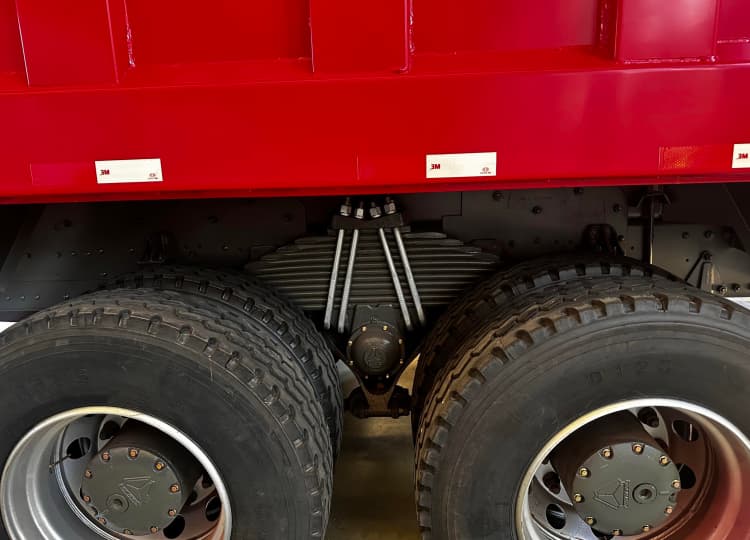
The fleet’s contractual obligations to keep warranty valid
Certified standard reman warranty is conditional. If the fleet breaks these obligations, coverage can be voided:
- Follow the prescribed scheduled maintenance schedule defined in the reman baseline manual
- Use approved lubricants, filters and replacement parts for routine service
- Record all maintenance and mileage logs
- Stop operation and report faults promptly, without continued running under fault conditions
- Carry out repairs only at approved service points where required, or obtain prior written approval for third-party fixes
- Preserve the VIN-linked dossier and service records for audit
This discipline also reduces overall fleet downtime, independent of warranty coverage.
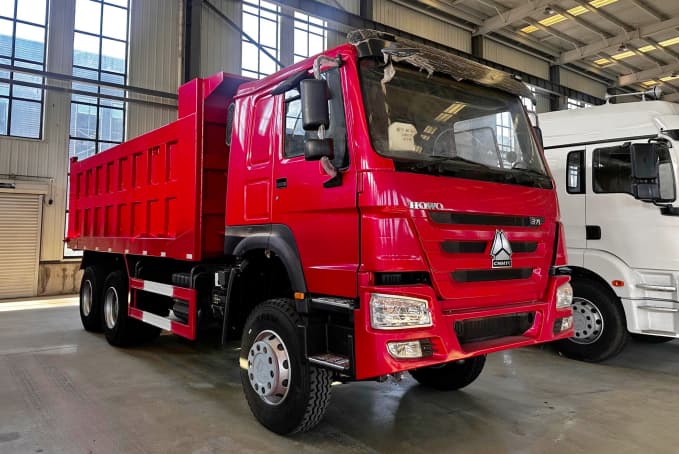
How reman warranty differs from new truck warranty and simple repair warranty?
- New OEM warranty: Designed for zero-hour assets, broad coverage, longer duration, engineered around factory-new material properties.
- Standard reman warranty: Designed for lifecycle-reset assets, coverage limited to standard reman workflow and reman-validated assemblies, shorter defined terms.
- Repair / overhaul warranty: Usually narrow, only covering the single repaired or overhauled assembly, no full-vehicle structural NDT backing, limited traceability.
This difference directly impacts TCO modelling. Fleets should budget for scheduled component replacement aligned with the reman baseline, rather than relying on warranty to absorb all failures.
Commercial value for fleets beyond repair reimbursement
The standard reman warranty’s biggest value is risk signalling and supplier accountability:
- It proves the supplier stands behind its standard reman workflow. Suppliers cutting corners will refuse clear, written warranty terms.
- It supports tender compliance: many green or donor-funded projects require formal warranty commitments alongside ESG and classification documentation.
- It stabilises budgeting by capping unexpected costs from process defects in the early service window.
- It provides a formal escalation path, backed by the full NDT, grading and bench-test dossier. If a failure is disputed, the audit trail can prove whether the root cause stems from reman workmanship or fleet operation.
Practical procurement checklist for reviewing reman warranty terms
Before signing contracts, fleets should confirm these items in writing:
- Clear time / mileage dual limits
- Exact list of covered assemblies and excluded items
- Labour coverage, travel cost and downtime compensation rules
- Approved service network and claim submission process
- Circumstances that void warranty
- Requirements for maintenance logging and record retention
- Whether extended warranty options are available, and what additional checks they require
A vague warranty such as “12-month general warranty” without assembly-level scope is high risk for fleets.
Closing
A standard reman warranty is not a promise of trouble-free operation. It is a targeted guarantee that the standard reman workflow — inspection, component grading, reassembly and bench validation under REMAN ROAD standards — was completed correctly.
For heavy vehicle fleets, this means predictable protection against supplier-side process defects, while the fleet remains responsible for proper operation and scheduled maintenance. When understood and managed well, a clear standard reman warranty lowers procurement risk, supports tender eligibility and makes certified reman a balanced, cost-effective asset choice between expensive new trucks and unprotected second-hand rebuilds.