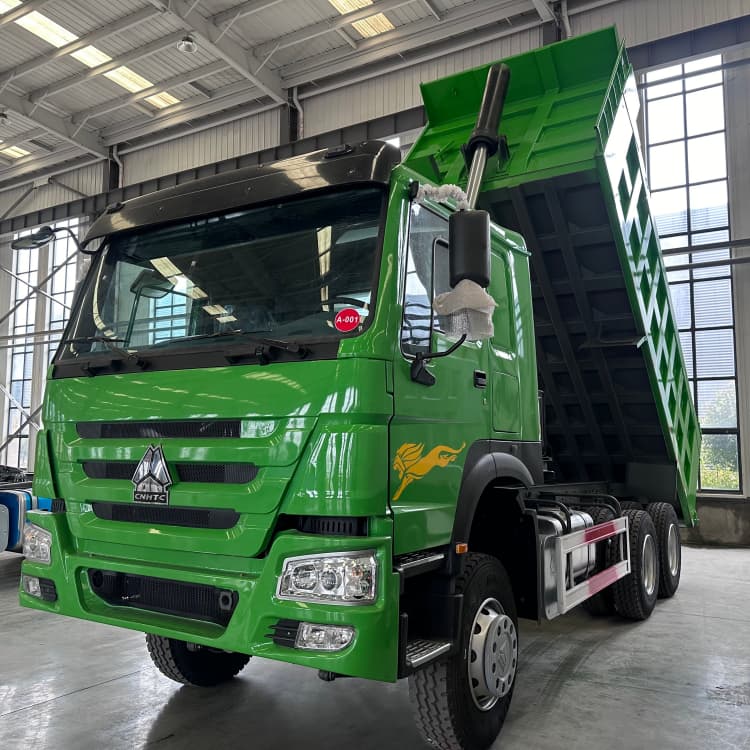
Asset Lifecycle Reset: The Fundamental Idea Behind Certified Truck Reman
Introduce
Most fleet operators view a used heavy truck’s life as a single, one-way timeline. From factory rollout, the truck accumulates wear, metal fatigue, calibration drift, corrosion and hidden structural damage. Repairs, component overhauls and cosmetic fixes only fix individual failures. They do not restart the asset’s clock.
Certified truck reman is built on a different foundation: asset lifecycle reset. This concept is not simply “extending life”. It means clearing the legacy of the first service cycle, establishing a fresh, quantified starting point for the truck’s second life under a defined duty envelope. This is the core distinction between industrial certified truck reman and ordinary repair or rebuild work.
What asset lifecycle reset actually means?
A lifecycle reset treats the truck’s accumulated degradation as a systemic state, not a collection of isolated faults. Every heavy truck develops invisible fatigue after thousands of off-road haul cycles. Frame microcracks, loose bearing clearances, degraded seal materials and uneven brake wear build up gradually. These defects may not trigger a breakdown today, but they reduce the safety margin and make future failure timing unpredictable.
Lifecycle reset removes this uncertainty. Through full disassembly, fatigue screening, mandatory part renewal and system recalibration, the asset’s residual usable life is re-established. The truck is given a new service baseline, with documented limits on payload, shock load and annual operating cycles.
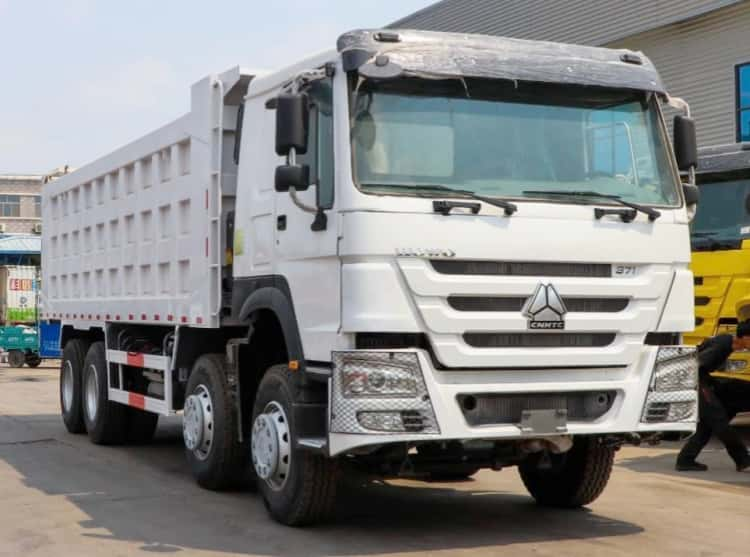
The core logic of asset lifecycle reset
- Reject the assumption that “the original factory date defines all remaining life”: The original build date tells you almost nothing about how much safe work the truck can still deliver. Two trucks of the same model and age can carry wildly different fatigue histories. Certified truck reman decouples usable asset value from the original manufacturing date. The new reference point becomes the reman completion date. Service schedules, warranty coverage, depreciation modelling and residual value forecasts all anchor to this new milestone.
- Fatigue elimination is the first priority: Certified truck reman lifecycle reset cannot happen without material fatigue control. Reusable core components such as frame rails, axle housings and gearbox casings must pass NDT and dimensional checks. Any part with propagating fatigue or corrosion thinning is rejected. This is the key line separating certified truck reman lifecycle reset from refurbishment. A rebuild may leave fatigued structure in place, only swapping out broken wear parts. The asset’s risk profile remains unknown.
- Set a clear, bounded second-life operating envelope: Certified truck remanufacturing lifecycle reset does not turn a medium-duty chassis into a new heavy mining truck. After assessment, engineers assign a formal duty classification. This document defines the new lifecycle rules: maximum payload, acceptable off-road shock severity, gradient limits and recommended annual cycle volume. The reset creates a controlled second life. The truck now has a predictable degradation rate, so fleet managers can model TCO, downtime risk and residual value reliably.
- System harmony is restored, not just individual parts replaced Certified truck reman lifecycle reset applies to the whole vehicle, not only the engine or transmission. Even high-quality new components will accelerate wear if the driveline alignment, brake balance, hydraulic pressure and cooling flow are mismatched. Whole truck reman calibrates every interconnected system back to design specification. The truck’s power delivery, braking stability and fuel consumption follow a predictable curve from day one of the reset.
How whole truck reman lifecycle reset changes fleet financial thinking?
For fleet teams, this concept transforms how assets are budgeted. Instead of buying a used truck with unknown residual life and unpredictable failure risk, the operator acquires an asset with a known remaining service window. Depreciation curves flatten after reman reset. Downtime costs become easier to forecast. Financing and insurance can be structured around the certified second life, rather than the uncertain status of an old used truck.
This is also where the ESG value emerges. Whole truck remanufacturing lifecycle reset maximises the embodied carbon already invested in the chassis and major castings. It avoids the resource burden of manufacturing a brand-new truck, while delivering a controlled, safe working asset.
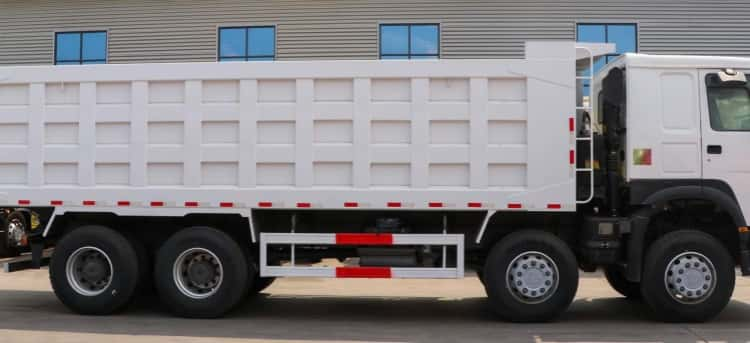
What whole truck reman lifecycle reset is NOT?
It is not a magic reset that removes the physics of material wear. It does not grant unlimited operating life. If the truck is continuously overloaded, driven on extreme shock routes or neglected in maintenance, the new lifecycle margin will be consumed quickly. It is not equivalent to a brand-new OEM truck. The certified truck reman reset baseline is calibrated to its certified medium off-road duty class, not the original factory heavy-duty rating.
It also cannot be achieved by partial component reman. An overhauled engine alone leaves the frame, suspension and brake systems carrying their old fatigue history. The asset lifecycle has not been reset.
The traceability record as proof of the reset
A valid lifecycle reset must be auditable. All certified truck remanufacturing actions are logged and locked to the VIN: baseline inspection, NDT scan results, list of mandatory replaced parts, calibration data, loaded validation test results and duty classification. This package is the evidence that the truck’s clock has been restarted. Generic certificates or cosmetic paint jobs carry no proof of lifecycle reset.
Practical benefits for fleet procurement
When buyers understand the certified truck reman lifecycle reset principle, their purchasing decisions shift:
- They stop judging value by the truck’s original age or mileage
- They prioritise VIN-linked test records and duty classification over appearance
- They can standardise reman fleets with consistent uptime and maintenance cadence
- They build multi-year asset plans with clear replacement timelines
- They reduce exposure to sudden structural failures that derail project contracts
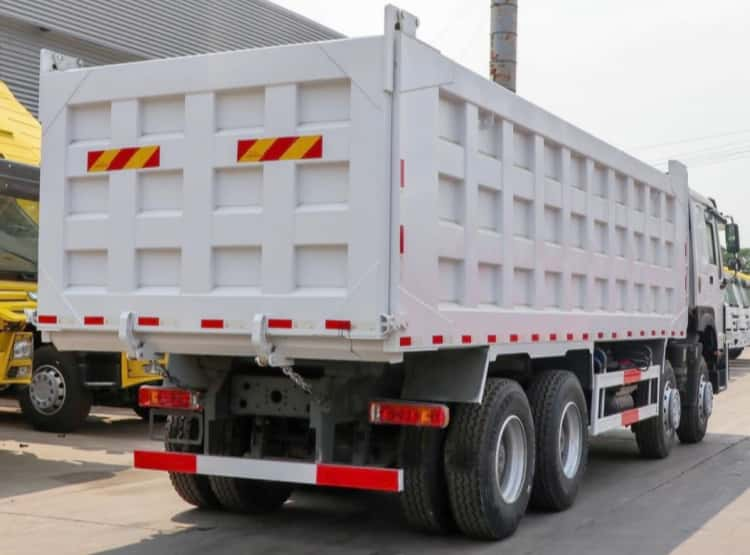
Closing thought
Asset lifecycle reset is the foundational logic behind certified truck remanufacturing. It moves beyond simple repair or surface refurbishment. It clears the accumulated fatigue and degradation of the truck’s first life, sets a verifiable new starting point, and defines a stable, predictable second service window within a formal duty envelope. For fleets, this is the real value of certified certified truck remanufacturing: not just a cheaper truck, but an asset with a known, controllable lifecycle that supports reliable TCO planning.