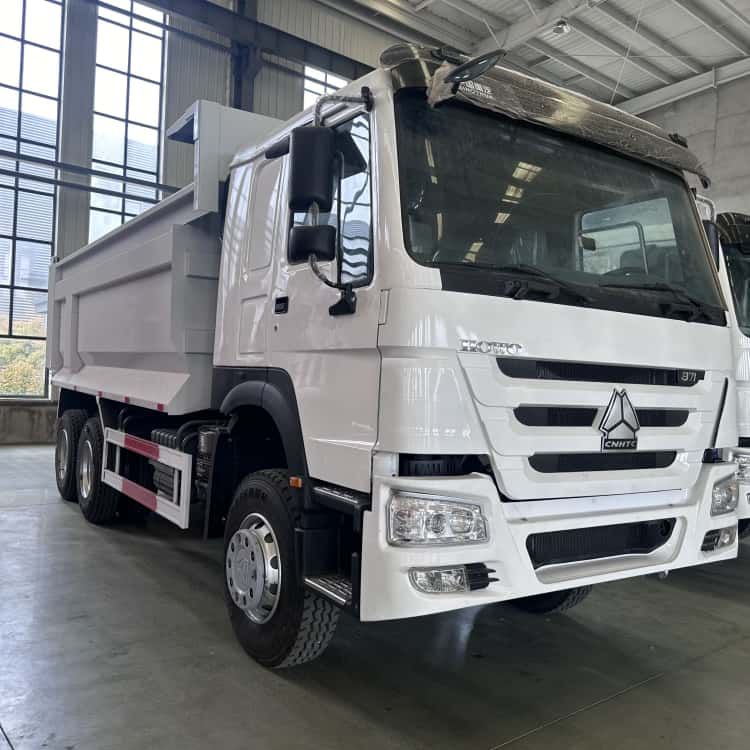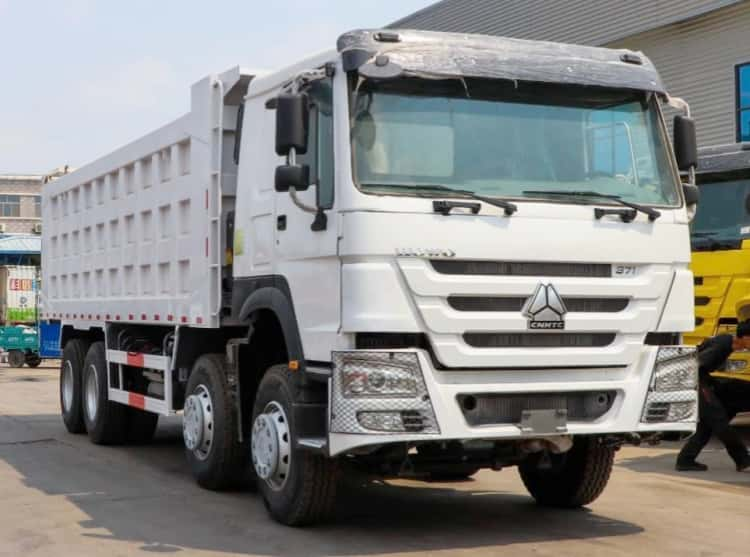
How Whole Vehicle Remanufacturing Resets Safety and Performance Baselines?
Introduce
A used heavy truck slowly drifts away from its original factory safety and performance baseline over years of haul cycles. Metal fatigue, worn clearances, degraded seals, drifting calibration and accumulated minor damage gradually erode braking power, frame integrity, cooling stability and handling. Isolated repairs or part swaps can patch individual faults, but they cannot reset the entire vehicle’s baseline. Whole vehicle remanufacturing under REMAN ROAD standard is designed to reverse this cumulative degradation. It re-establishes measurable, repeatable safety and performance benchmarks, not just get the truck running again.
Step 1: Full disassembly removes hidden accumulated degradation
The reset begins with complete teardown, not spot inspection. Cab, chassis, powertrain, suspension, axle assemblies, hydraulic circuits and brake systems are all separated. This exposes wear and corrosion hidden under grime, tub mounts and wiring harnesses. On a truck that has run thousands of off-road cycles, many small, invisible defects stack up.
Individual defects may not trigger immediate failure, but together they shift the whole vehicle’s safety margin downward. Rebuilds often skip full teardown, only addressing visible broken components. Degradation in unopened assemblies stays in place, and the baseline never resets.
Step 2: Material fatigue screening restores structural safety baseline
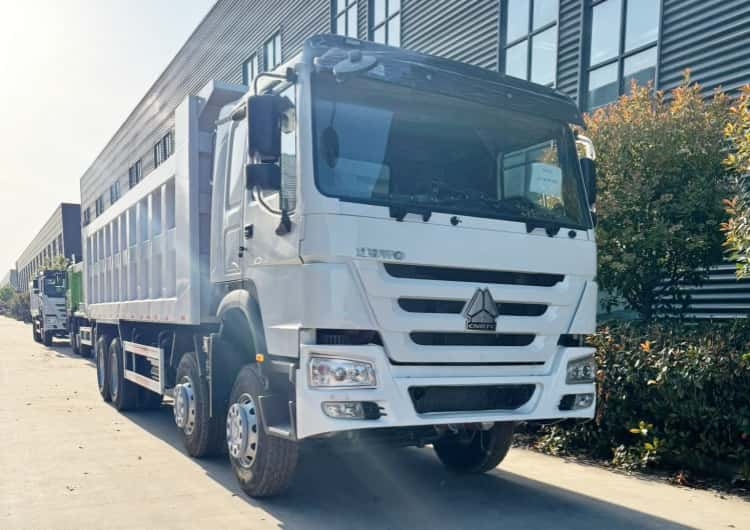
Structural safety is the foundation of the reset. All load-bearing components — frame rails, crossmembers, suspension hangers, axle brackets and kingpin mounts — go through NDT scanning. Any part with microcracks, material thinning or fatigue propagation is rejected or replaced. Only components that meet the residual material specification remain.
This heavy vehicle remanufacturing step resets the structural safety baseline: the truck’s load-bearing capacity is brought back to a certified medium off-road duty standard, rather than carrying the unknown fatigue history of a used asset. Without this screening, even a truck that drives smoothly has an unpredictable structural failure risk.
Step 3: Mandatory renewal of safety-critical wear components
Certain parts lose safety margin predictably with cycle count, regardless of how they look. In whole-vehicle reman, these items are replaced by rule: brake linings, brake drums, suspension pins, U-bolts, hydraulic seals, steering joints and critical bearings.
This heavy vehicle remanufacturing directly resets passive safety performance. Braking distance, steering responsiveness and suspension stability return to consistent design values. Partial repairs only swap these parts when they fail. Safety performance remains variable from one component to the next.
Step 4: System-level calibration restores performance baseline
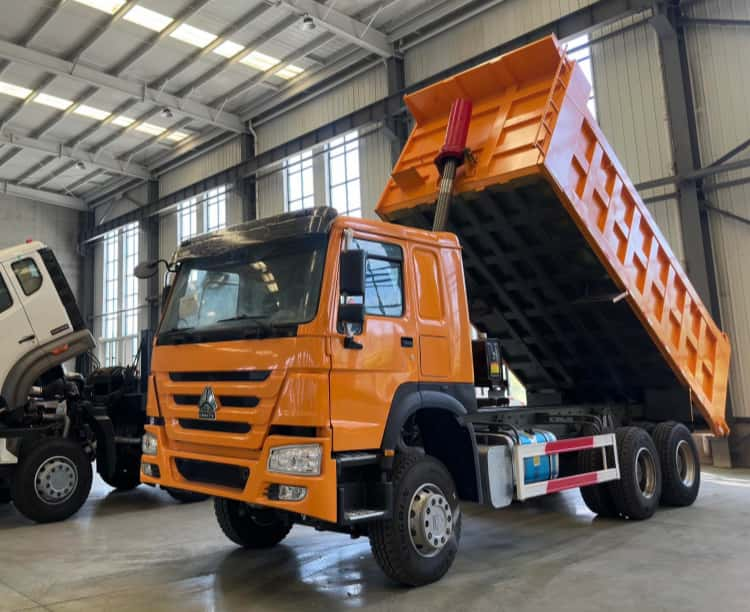
Safety and performance do not come from individual good parts alone. They depend on system harmony. During reassembly, every interconnected system is calibrated back to design specifications: Engine fuel and torque maps, driveline alignment, brake balance, hydraulic tipping pressure, cooling circuit flow and steering geometry.
For example, a mismatched brake balance will create pulling, extended stopping distance and uneven thermal wear. Poor driveline alignment causes vibration, which accelerates frame fatigue. Whole vehicle remanufacturing eliminates these cumulative imbalances. The truck’s fuel consumption, power delivery and handling are predictable, matching the published duty envelope.
Step 5: Loaded validation confirms baseline compliance
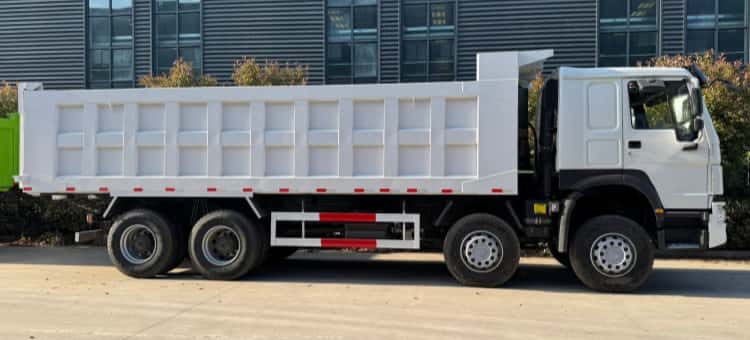
Empty-idle testing is not enough to prove a reset. Once reassembled, the truck runs a structured loaded test matching its certified duty classification. Engineers verify braking performance under full payload, downhill thermal stability, full tipping cycles, traction response and leak tightness.
Every heavy vehicle remanufacturing test result is measured and recorded against fixed acceptance thresholds. If any metric falls outside the baseline specification, the truck goes back for rework before certification. This is the final check to confirm safety and performance are reliably reset.
Step 6: Formal duty classification locks the new operating envelope
The reset baseline is not equal to a brand-new truck’s full factory rating. After reman, engineers assign a clear duty classification. This document defines the new safe operating limits: maximum payload, acceptable shock load, route type and annual cycle guidance. This is a critical distinction.
The genuine vehicle remanufacturing baseline is reset to a known, stable standard for its certified duty, not an unlimited heavy-duty rating. Fleet operators can plan haul cycles with clear safety boundaries, instead of guessing how much residual margin remains.
Step 7: Traceable records and warranty anchor the new baseline
All inspection, replacement, calibration and test data is linked to the VIN. The warranty starts from the reman completion date, anchored to this newly established baseline. When the truck enters service, future maintenance schedules are built around the whloe vehicle remanufacturing reset date, not the original manufacturing date. This gives fleet managers a consistent reference point for tracking degradation, planning service and forecasting residual value.
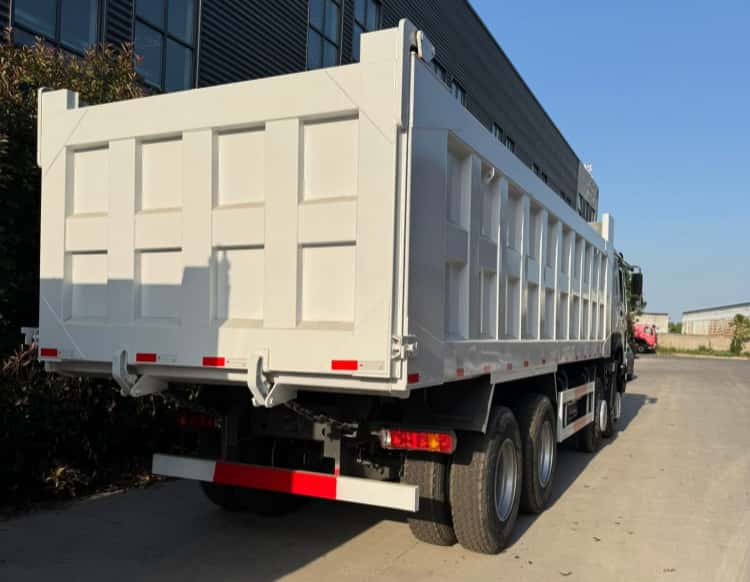
What the heavy vehicle remanufacturing reset does NOT achieve?
Whole vehicle remanufacturing does not turn a medium-duty chassis into a heavy blast-pit mining truck. It does not erase the physics of material fatigue. It removes existing fatigue defects and establishes a fresh starting point for controlled wear. If the truck is operated repeatedly beyond its duty classification, the safety and performance baseline will degrade faster again. The genuine vehicle remanufacturing reset is a new starting line, not permanent immunity to wear.
Real-world impact for fleets
When safety and performance baselines are reset:
- Unplanned structural and brake failures drop significantly
- Braking, handling and tipping behaviour become consistent across the reman fleet
- Fuel consumption stabilises, eliminating hidden efficiency drag from misaligned systems
- Risk of road spills, rollover incidents and site safety breaches is reduced
- TCO becomes easier to model, because degradation rates follow a predictable curve
Common misconception
Many buyers assume an engine overhaul equals a full baseline reset. Engine work only addresses one subsystem. The frame, suspension, brakes and hydraulics still carry their old wear and fatigue history. Safety and performance baselines remain fragmented.
Closing thought
Whole vehicle remanufacturing resets safety and performance baselines through a complete industrial workflow: full teardown, fatigue screening, mandatory safety-part renewal, cross-system calibration, loaded validation and clear duty classification. It removes the unknown degradation accumulated over the truck’s first life, and establishes a measurable, auditable new starting point. When operated within its certified duty envelope, the reman truck delivers stable, predictable safety and performance — the core difference separating genuine vehicle remanufacturing from patchwork rebuilds.