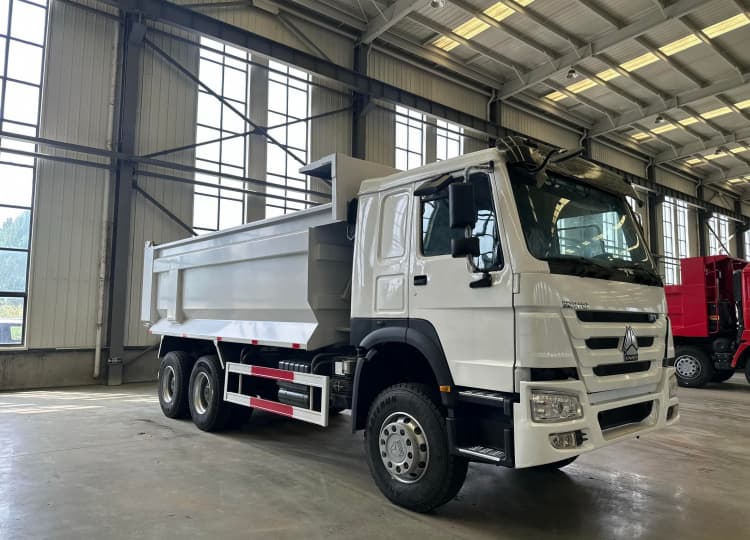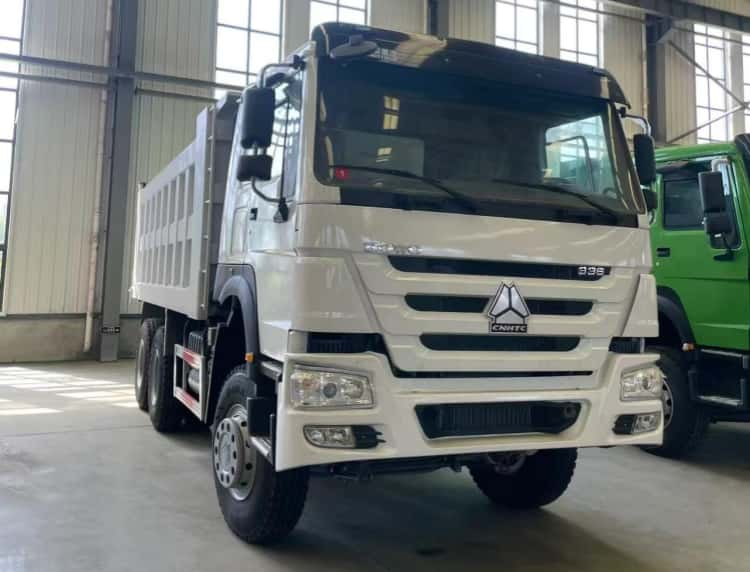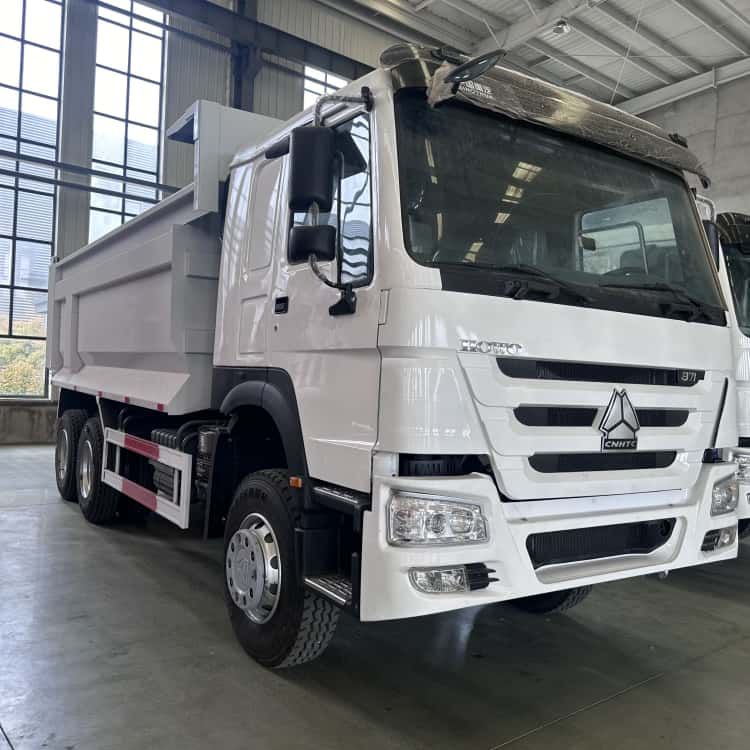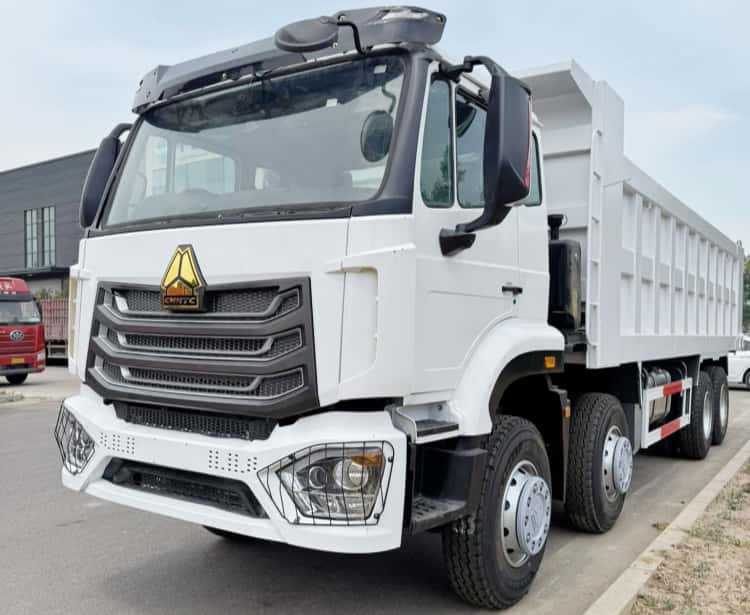
Key Characteristics That Identify a Truly Remanufactured Heavy Truck
Introduce
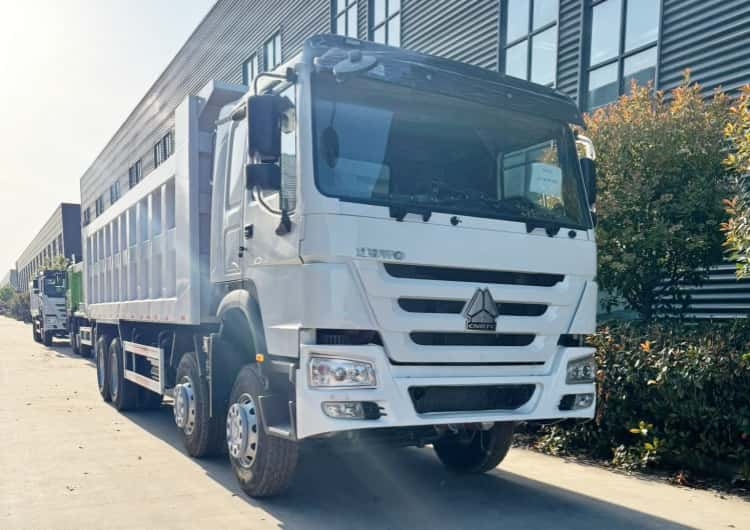
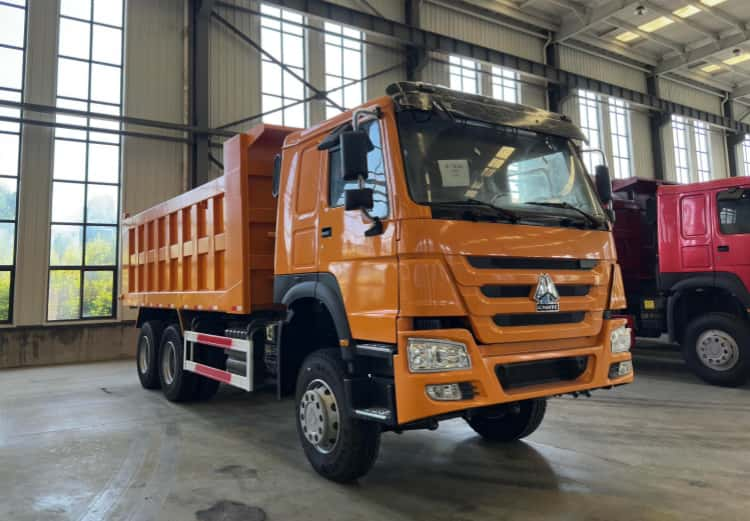
The heavy truck market is flooded with repainted, partially repaired vehicles marketed as “remanufactured”. Many buyers confuse surface refurbishment with a full reman lifecycle reset. A genuine remanufactured heavy truck is not just a truck that runs. It follows a fixed engineering standard, with controlled component renewal, objective testing and auditable records. These core characteristics apply to REMAN ROAD certified remanufactured heavy truck and serve as a universal checklist for fleet procurement teams.
Formal structural screening with NDT, not only visual inspection
Visual checks and hammer tapping cannot detect microcracks, subsurface fatigue and hidden corrosion in frame rails, crossmembers, suspension hangers and axle brackets. True genuine remanufactured heavy truck requires systematic non-destructive testing. All high-stress structural points are scanned, and any component with unacceptable fatigue is rejected or replaced. Rebuilds only clean and paint the frame. They leave invisible fatigue risks that lead to sudden breakdowns on off-road sites.
Clear mandatory component replacement schedule
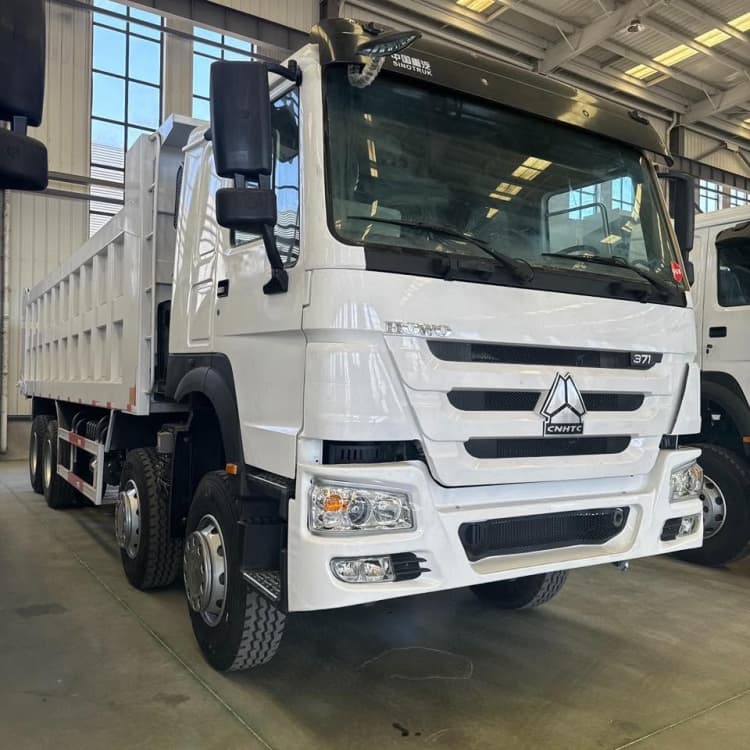
Genuine reman truck workflow separates parts into three defined categories:
- Must replace: fatigue-critical items such as U-bolts, spring pins, suspension bushings, hydraulic seals, brake linings and ageing bearings. These are changed regardless of outward condition.
- Inspect and test: engine block, crankshaft, axle housing, gearbox casing. They stay only if they pass quantitative dimensional and material checks.
- Clean, calibrate and validate: sensors, cooling circuits, fuel systems. They are reset back to original design specification.
Cosmetic rebuilds only replace broken parts found during disassembly. There is no fixed replacement rule.
System-level calibration, not isolated component repair
In true reman truck workflow, every reassembled system is tuned to work in harmony. Engine fuel maps, brake balance, driveline alignment, hydraulic tipping pressure and cooling flow are calibrated as a whole. Replacing an injector or a spring alone does not count as reman. Even good individual parts can create imbalance, higher fuel consumption and accelerated wear if the system is not matched.
Loaded performance validation, not idle-only testing
A rebuild will start the engine, shift gears and lift the empty tub. A genuine remanufactured heavy truck completes formal loaded validation under payload matching its duty classification. Reman truck workflow tests include sustained climbing, downhill brake thermal check, full tipping cycle, vibration monitoring and leak inspection. This reman truck workflow step reveals weaknesses that never show up when the truck runs empty.
Full VIN-linked traceability package
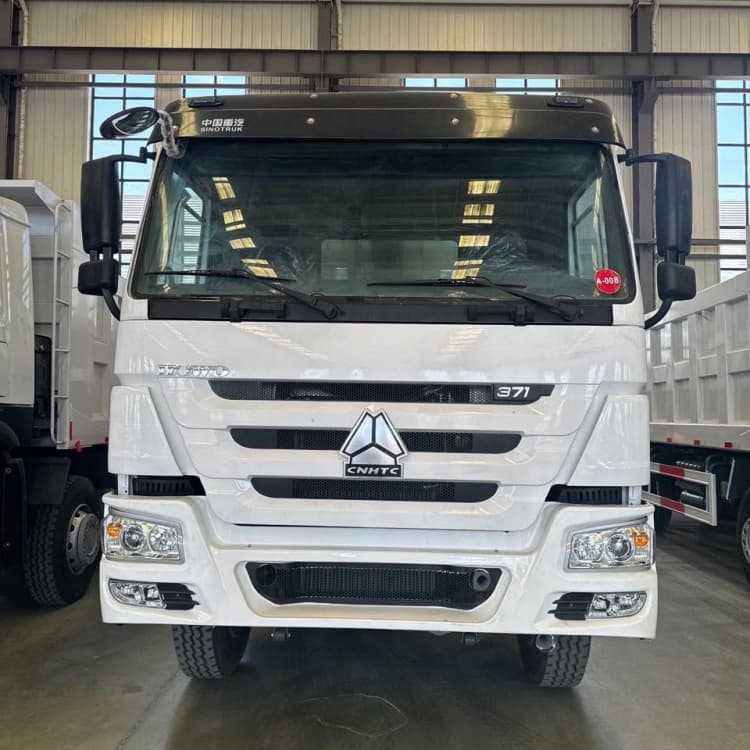
Every major action is logged and tied to the vehicle’s VIN:
- Original baseline inspection report
- NDT scan results
- List of renewed components with part numbers
- Calibration records
- Loaded test data
- Duty classification certificate
This certified remanufactured heavy truck traceability serves financing, insurance, ESG reporting and future resale. Rebuilds usually have no centralised, linked documentation; certificates are generic and not tied to the specific truck.
Defined duty classification and residual margin statement
True certified remanufactured heavy truck does not simply label a truck “good for all work”. Engineers assign a clear duty envelope: payload limit, off-road severity, shock-load tolerance and recommended annual cycle volume. This statement tells the buyer what the truck is designed for, and what operations will consume its remaining structural margin quickly. Rebuild sellers often make vague claims such as “very strong” with no measurable limits.
Standardised warranty tied to the reman reset date
Warranty starts from the reman truck workflow completion date, not the original factory build date. The warranty scope is defined around the reman truck workflow: structural frame, renewed wear packages and calibrated systems. It excludes damage from overload, misuse and operation outside the duty classification. Cheap rebuilds often offer short verbal promises or limited coverage only for the single replaced part.
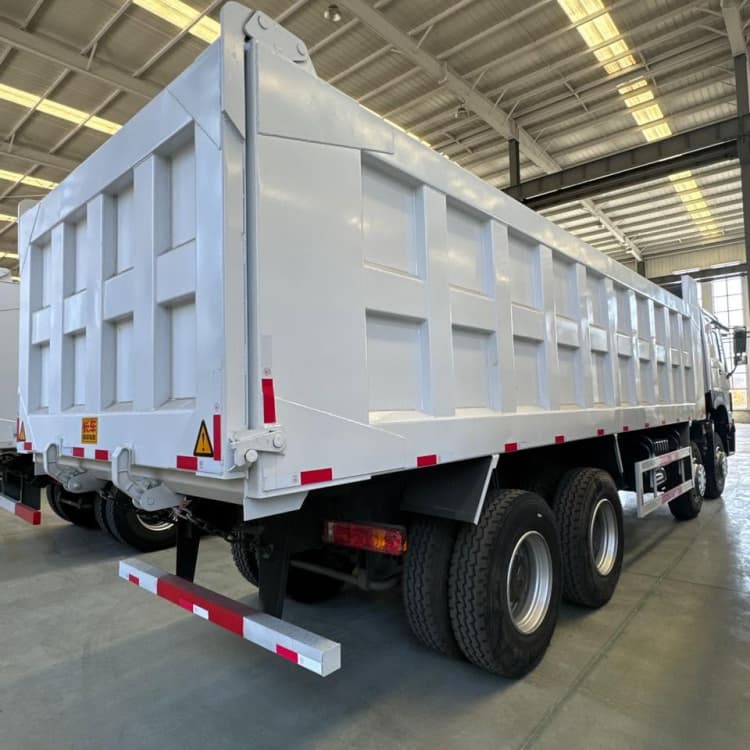
Controlled disassembly and reassembly workflow
True reman truck workflow follows a sequenced, repeatable process: full teardown → cleaning → sorting → testing → renewal → reassembly → calibration → validation. Every step follows a written standard. It is an industrial process, not a one-off repair job decided by a mechanic’s judgement on the day.
Quick contrast: Genuine reman vs cosmetic rebuild
Genuine remanufactured heavy truck: Built around material fatigue control, system balance, traceability and predictable remaining service life.
Cosmetic rebuild truck: Built around fixing obvious faults, cleaning surfaces and improving appearance for resale. It has no standardised fatigue control.
Common buyer mistakes
- Judging remanufactured heavy truck quality by paint condition, new tub or new tyres. These are add-ons and not proof of lifecycle reset.
- Accepting generic certificates that are not linked to the truck’s VIN.
- Confusing “engine overhaul” with full reman truck workflow. An overhauled engine alone does not make a remanufactured heavy truck.
- Ignoring duty classification and treating all reman trucks as equal to new heavy mining trucks.
Closing thought
A genuine remanufactured heavy truck is defined by engineering discipline, not appearance. Its core markers are NDT structural screening, mandatory fatigue-part replacement, system calibration, loaded validation, VIN traceability, formal duty classification and reset-date warranty. These characteristics separate stable, TCO-friendly reman assets from risky cosmetic rebuilds that can destroy fleet profitability through unexpected downtime and structural failure.