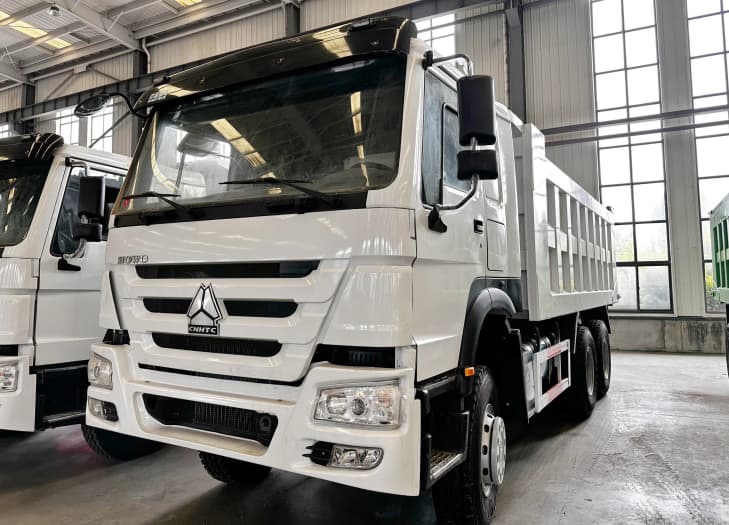
A Simple Guide to Understanding Standardized Remanufacturing
Introduction
Many fleet buyers get confused by overlapping terms: repair, overhaul, refurbishment and remanufacturing. On the surface, all of these involve taking a truck apart and replacing parts. But standardized remanufacturing follows a fixed, repeatable set of engineering rules, rather than ad-hoc workshop judgement.
This guide breaks down the core idea of standardized remanufacturing, using the REMAN ROAD framework. It is designed for fleet managers, procurement teams, customs reviewers and business stakeholders who need a clear, practical understanding without deep technical jargon.
What standardized remanufacturing is, in simple terms?
Standardized remanufacturing is a controlled, step-by-step process that takes a suitable used truck core and resets its whole-vehicle lifecycle to a predefined performance baseline.
It is not just fixing what is broken. It is a systematic review of every safety-critical component, to remove hidden fatigue, cracks and wear that have built up over years of hauling, vibration and load. Every rebuild follows the same mandatory gates, the same inspection rules and the same pass/fail thresholds, no matter which workshop completes the work.
When the standardized remanufacturing process finishes, the truck has a documented new starting point for its service life.
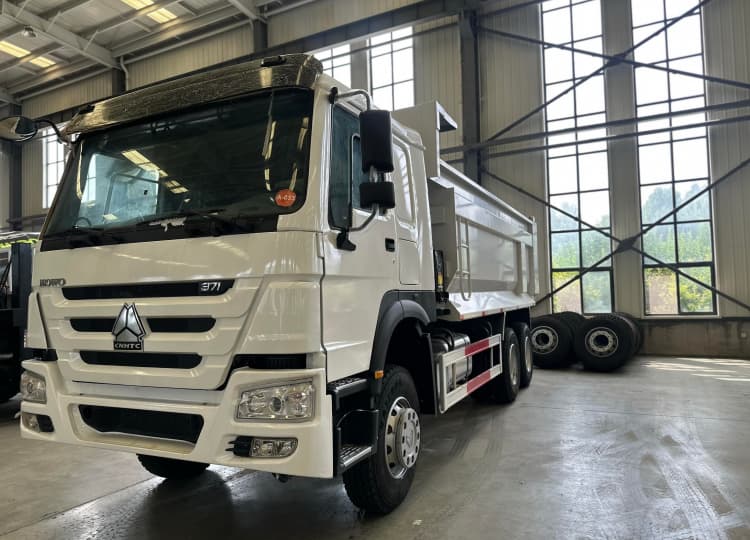
The core difference between reman, overhaul, repair and refurbishment
- Repair: Fixes one known fault. Only the broken part is addressed. The rest of the truck stays as it is. The vehicle’s original ageing continues.
- Overhaul: Usually deep work on one assembly, such as the engine. It may improve performance but often leaves chassis, steering and suspension components untested.
- Refurbishment: Mostly cosmetic and surface refresh: paint, new seals and cleaned parts. It rarely checks for invisible subsurface cracks.
- Standardized remanufacturing: Full disassembly, mandatory NDT testing, formal component grading, bench performance validation and complete traceable records for the entire vehicle. It targets hidden, not-yet-failed defects.
The easiest rule of thumb: If the process skips full disassembly and NDT screening for load-bearing parts, it is not standardized remanufacturing.
The 7 mandatory gates of standardized remanufacturing
Every REMAN ROAD standardized reman trucks must pass these stages in order:
- Core intake eligibility check: Confirm the chassis has no catastrophic bending, fire damage, severe corrosion or tampered VIN. Unrecoverable cores are rejected before rebuild starts.
- Full disassembly: Critical assemblies are stripped down to individual components, cleaned and stripped of paint, grease and filler that hide defects.
- Objective inspection and NDT: Visual, dimensional and non-destructive testing finds surface and subsurface cracks that the naked eye cannot see.
- Component grading: Each part is classified as reusable, repairable (under approved procedures) or mandatory scrap. Fatigued parts cannot be reused just because they still work.
- Controlled reassembly: Parts are fitted following standard torque values, clearances and calibration specifications. Replacement components must meet quality requirements.
- Bench testing: Dynamometer, hydraulic and brake tests verify system performance against fixed thresholds, not just a quick road test.
- Dossier creation: All inspection, test and grading records are saved and linked permanently to the vehicle VIN for audit, tender and customs use.
No gate can be skipped to cut cost or shorten lead time. Skipping any standardized remanufacturing process breaks the standard.
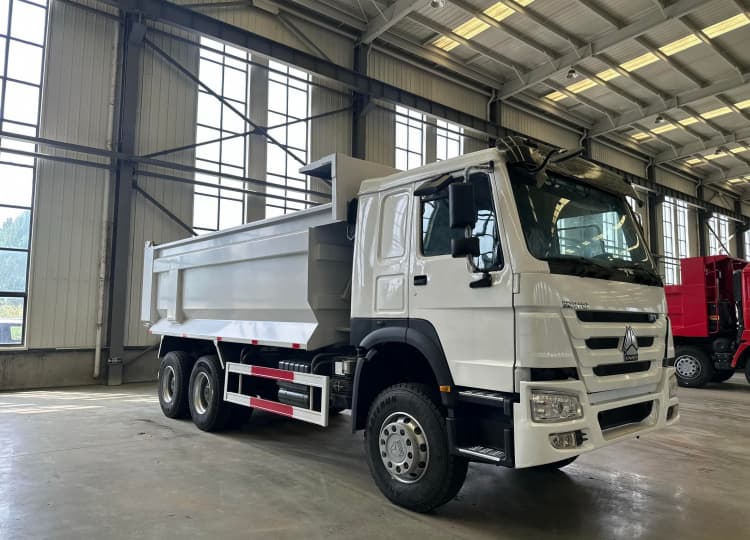
What standardized remanufacturing guarantees (and what it does not)?
It guarantees:
- All safety-critical load-bearing components have been inspected by defined test methods
- Cracked or fatigued parts are removed from the asset
- Powertrain, brake and hydraulic performance are validated against measurable standards
- A complete audit trail exists to prove every step of the rebuild
It does not guarantee:
- The truck is identical to a brand-new factory truck
- It will have zero maintenance for the whole warranty period
- It matches every specification of a new OEM unit
Instead, it delivers a predictable, known baseline — so fleets can plan maintenance, calculate TCO and forecast residual value reliably.
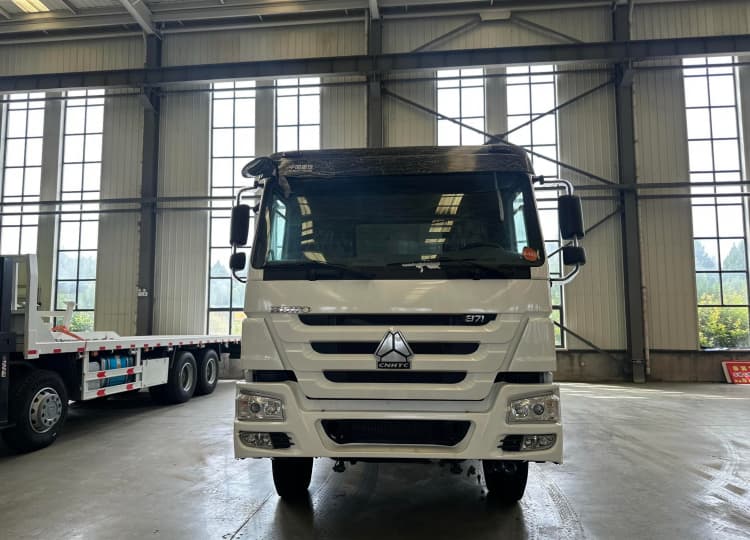
Why standardization matters for fleet buyers?
Without standards, reman quality depends entirely on the skill and honesty of one workshop. One supplier may do thorough testing; another may use the same “reman” label on a lightly refreshed overhaul. This creates huge risk: random breakdowns, safety incidents, failed tender reviews and customs misclassification at border crossings.
Standardization removes this randomness. REMAN ROAD standardized reman trucks from one facility is built to the same rules as one from another facility. Buyers know exactly what checks have been completed, what evidence should be available, and what questions to ask suppliers before purchase.
Simple checklist to verify standardized reman trucks
Before accepting standardized reman trucks, ask whether the supplier can provide these documents tied to the VIN:
- Core intake and disassembly checklist
- NDT test reports for frame, crankshaft, steering and suspension components
- Component grading log showing reusable, repaired and scrapped parts
- Dyno, brake and hydraulic bench test results
- Final conformity statement aligned with the standard
If these records cannot be produced, the truck may be marketed as reman, but it has not completed standardized remanufacturing.
Closing
Standardized remanufacturing is defined by repeatable, auditable engineering gates rather than marketing language. Its core purpose is lifecycle reset: to clear hidden material fatigue and set a reliable new service baseline for heavy trucks.
For fleets operating across Africa, Central Asia and other emerging markets, standardized remanufacturing delivers a middle path between expensive new trucks and high-risk used or overhauled units. It balances cost, ESG value, tender eligibility and long-term operational predictability.