Reman Heavy Trucks vs New Trucks: Tradeoffs for Long-Haul Transport Fleets
Intro
Long-haul highway fleets operating across Africa’s regional corridors face a recurring buying decision: expand with brand-new trucks, or add certified reman heavy trucks to the roster. Long-haul duty differs from mining tipper work. It features sustained highway cruising, consistent engine runtime, lower impact shock but continuous heat and dust exposure. New trucks and reman heavy trucks each carry inherent strengths and compromises. The best choice is not universal. It depends on fleet cash flow, route conditions, local service infrastructure and the fleet’s asset rotation strategy.
Upfront capital and delivery timeline
New heavy trucks require large upfront payments or sizeable financing commitments. Lead times can stretch for months, especially for RHD models built for African markets.
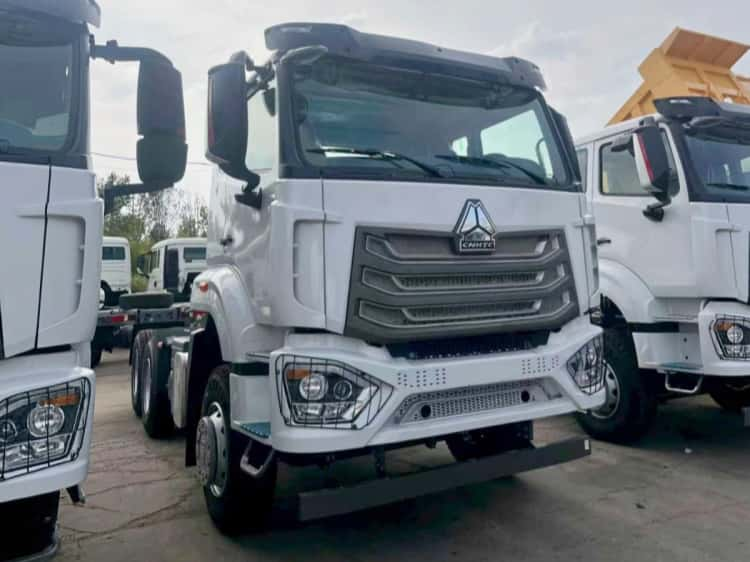
REMAN ROAD certified reman heavy trucks cut initial purchase cost significantly. Ready stock or short rebuild cycles let fleets add haulage capacity quickly to seize spot freight or contract opportunities. This is a major advantage for fleets with tight cash flow or urgent expansion needs.
The tradeoff: certified reman heavy trucks will not hold the same peak residual value as new trucks in their first year.
Driveline reliability and electronic complexity
New long-haul trucks come with the latest emission control systems, advanced ECU, telematics and automated transmission modules. These systems boost fuel efficiency on paper, but they rely on clean fuel, stable power supply and specialist diagnostic tools. In regions with inconsistent diesel quality and limited factory technicians, complex electronics can trigger unexpected derates and hard-to-fix faults.
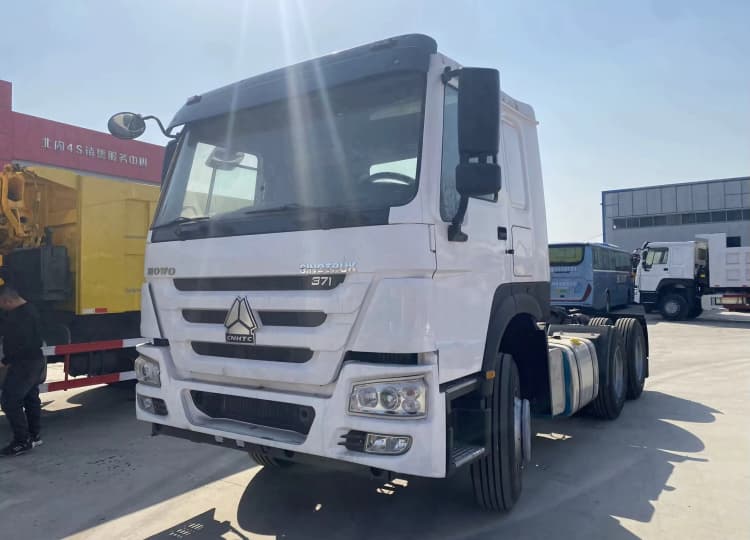
Well-selected reman platforms such as Howo and Shacman feature proven, simpler mechanical drivelines. During professional truck reman, ECUs are locked to site-friendly calibration, and all high-risk wear parts are renewed.
The tradeoff: professional truck reman may not match the newest fuel-saving tech, but they are far easier to diagnose and repair along remote highway routes.
Warranty and service support
New trucks come with a full OEM factory warranty, covering most assemblies for a fixed mileage or time window. OEM dealer networks are ideal in major cities, but coverage drops sharply along cross-border long-haul corridors.
REMAN ROAD certified reman heavy trucks warranty is tied to VIN traceability and the duty envelope. Coverage is clear, but it runs shorter than a new truck factory warranty. The offset is the regional spare hub network for these common Chinese platforms. Local roadside mechanics can source filters, seals and driveline parts without waiting for OEM support. For long-haul fleets that run across borders, accessible local service often matters more than a long-distance factory warranty.
Fuel consumption and operating cost
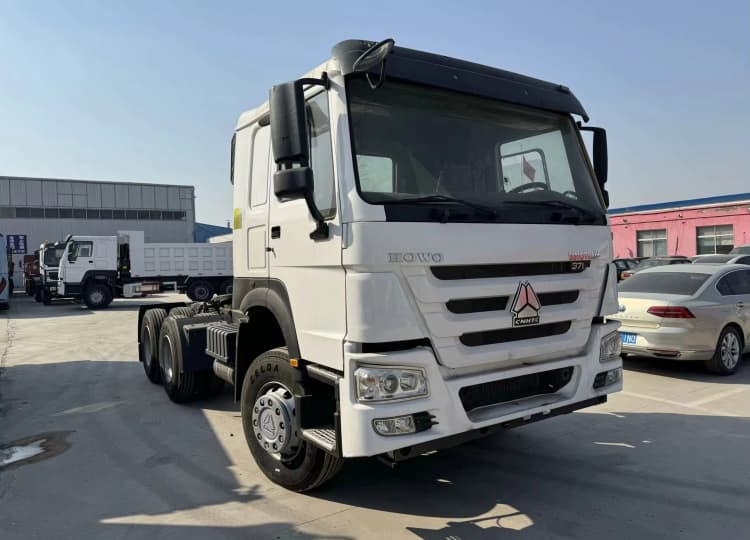
Brand-new engines and drivetrains are tuned to the latest fuel efficiency standards. They usually deliver marginally better fuel economy out of the gate. Certified reman engines are fully rebuilt, with cylinder clearance, injector performance and cooling systems validated on the dyno. Fuel efficiency is restored close to original factory levels, though it rarely beats a brand-new unit.
The gap in fuel spend is often offset by the much lower loan interest and depreciation cost of certified reman heavy trucks. For fleets running high-mileage long-haul routes, TCO, not just fuel per kilometre, drives the final result.
Depreciation and asset exit strategy
New trucks suffer steep initial depreciation in the first two years. A large portion of its value vanishes the moment it enters service. Certified certified reman heavy trucks start from a lower base value, with a much gentler depreciation curve across their second lifecycle.
Resale value is predictable when the full REMAN ROAD professional truck reman traceability package transfers to the next buyer. The tradeoff: the asset’s total remaining service life is capped by its grade and duty envelope. Fleets must plan rotation before the chassis reaches its fatigue limit.
Mixed fleet strategy for long-haul operators
Many successful regional haulers combine both options. New trucks handle premium, time-sensitive contract runs where maximum uptime and factory support are non-negotiable.
Certified reman heavy trucks take on regular cross-border bulk cargo, expanding fleet size without overloading the balance sheet. This mix spreads financial risk, balances warranty protection and makes the most of local spare parts availability.
Final Takeaway
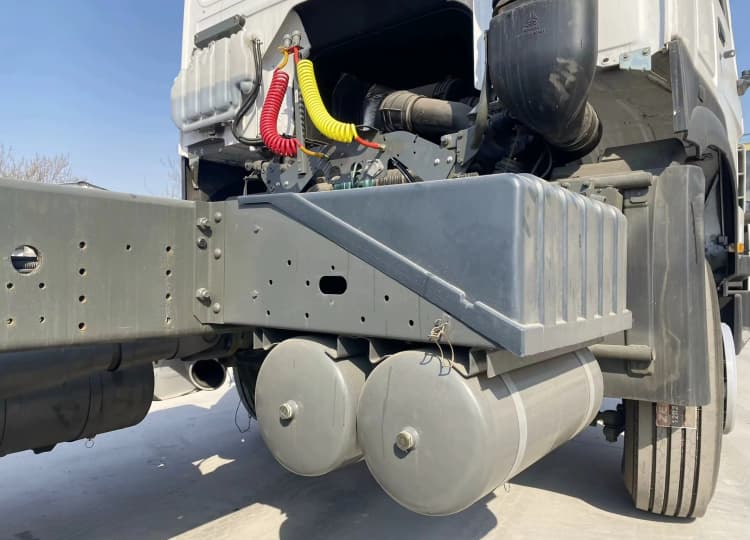
New long-haul trucks deliver full factory warranty, modern tech and peak fuel efficiency at the cost of high CAPEX and long lead times. REMAN ROAD certified reman heavy trucks slash upfront spend, arrive faster and fit well within Africa’s existing service ecosystem. For fleet leaders, the key takeaway is simple: match your truck choice to your route, your cash cycle and your local repair support, not just the sticker price.