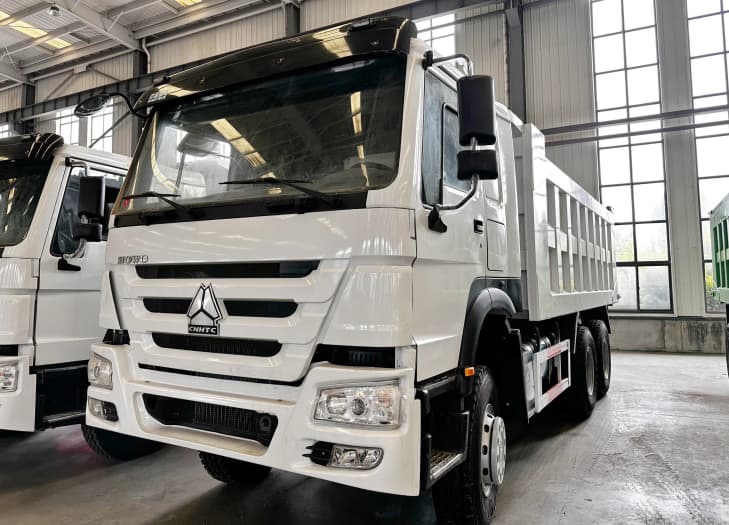
Standardised Remanufacturing vs Recycling: Why They Are Not the Same for Heavy Assets?
Intro
Remanufacturing and recycling both keep old heavy trucks out of landfill, so they are frequently lumped together as “circular economy solutions”. Yet their engineering logic, value preservation, energy consumption and asset output are fundamentally different. Recycling breaks assets down into raw material; standardised remanufacturing resets the existing engineered structure back to OEM performance. This article clarifies the dividing line, explains why mixing them up skews TCO and ESG reporting, and outlines where each belongs in the heavy-asset lifecycle.
At a glance, both routes divert end-of-life trucks from scrap yards. But recycling destroys the original manufactured geometry, heat treatment, precision casting and forging work embedded in the chassis and powertrain. Standardised remanufacturing preserves that high-value engineered foundation. The difference is not just semantic: it changes carbon accounting, residual asset value, usable output and the long-term circular potential of the heavy vehicle.
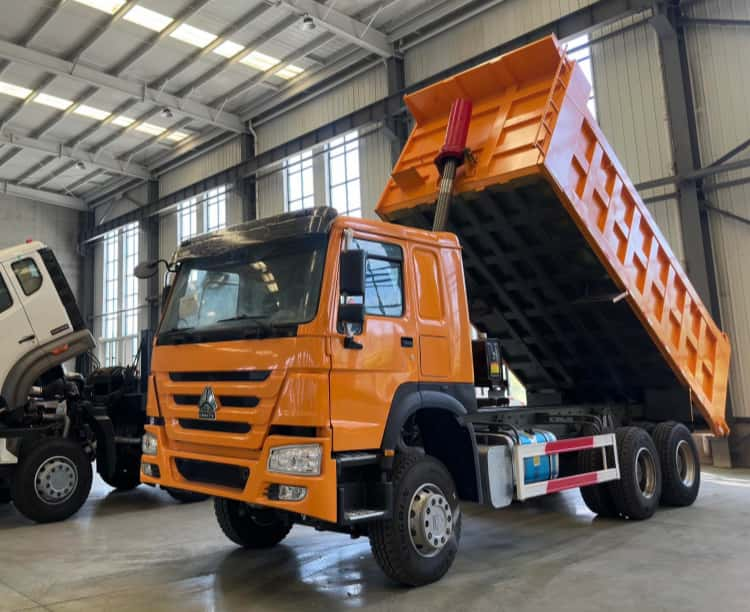
Core Fundamental Difference: Preserve Engineered Form vs Destroy Form
Standardised remanufacturing
The core structural components retain their original engineered shape and material state.
- Frame rails, engine blocks, axle housings and steering forgings stay intact.
- Defects are removed through inspection, machining and controlled restoration.
- The component remains a functional part designed for its original load and duty cycle.
- The end product is a usable heavy truck asset ready for fleet deployment.
Recycling
The asset is reduced back to commodity raw material.
- The truck is shredded, cut or melted down into steel ingots, aluminium billets and secondary metals.
- All precision geometry, heat treatment and component engineering are eliminated.
- The output is generic raw material that must go through full forging, casting and machining again to become a truck part.
- It no longer carries any identity tied to the original vehicle or its design specifications.
Simply put: standardised remanufacturing keeps the engineered asset; recycling returns it to ore-equivalent feedstock.
Embodied Carbon and Energy Gap
Manufacturing heavy-duty structural parts from raw metal is extremely energy-intensive.
- Embodied carbon is locked in when the frame, block and axle are first forged and cast.
- Reman only replaces wear parts and machines limited surfaces, preserving nearly all that upfront carbon investment.
- Recycling requires melting, refining and re-forming metal, which reintroduces large emissions even for secondary steel.
For heavy truck assets, standardised remanufacturing typically delivers far greater carbon savings than recycling. This is why auditable ESG frameworks treat them as separate categories; recycling savings cannot be claimed as reman savings.
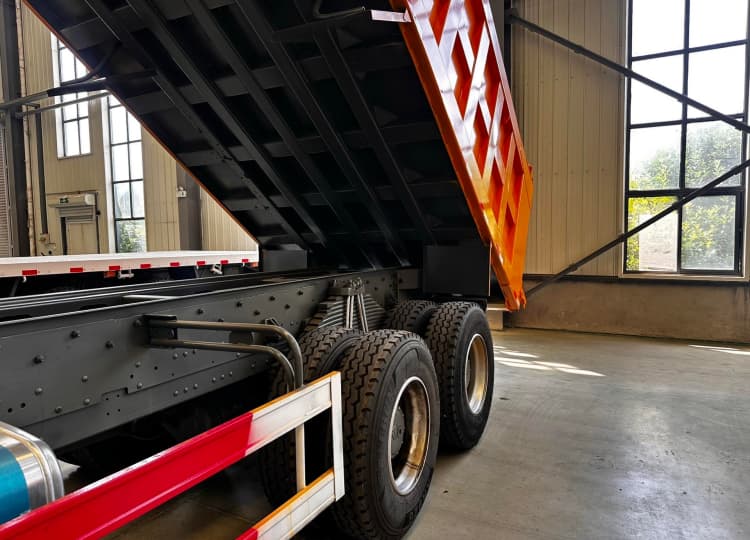
Residual Asset Value Treatment
Standardised remanufacturing and recycling capture different types of value.
- Standardised remanufacturing unlocks residual engineering value. A qualified core can become a high-value, road-ready truck asset with warranty and defined service life.
- Recycling only captures commodity scrap price, driven by global metal market fluctuations. The engineering value is lost.
A truck sent for recycling converts its value into low-margin raw material. A truck entering standardised remanufacturing retains the premium of its original industrial manufacturing investment. This gap is central to fleet asset management and residual value forecasting.
Technical Eligibility Rules Are Opposite
The intake gate for each pathway judges core suitability using opposite criteria.
- Standardised remanufacturing requires intact, restorable load-bearing structures free from irreversible material degradation. If cracks, deep corrosion or thermal damage cross thresholds, the core is rejected.
- Recycling has almost no structural eligibility filter. Whether bent, cracked, corroded or crashed, the truck can still be shredded for metal recovery.
This means the two workflows form a sequential funnel: eligible cores go to reman; cores that fail reman intake move onward to recycling. Recycling is not an alternative to good reman cores — it is the fallback for cores that cannot be regenerated.
Traceability and ESG Audit Distinction
This is critical for fleet buyers submitting sustainability reports.
- Standardised reman carries VIN-linked records: NDT logs, disposition decisions, test results and warranty scope. Auditors can verify the asset was reset to OEM specification.
- Recycling records usually only document tonnage of recovered metal. They cannot prove the existence of a second-life functional vehicle.
Claiming recycling tonnage as remanufacturing benefit counts as greenwashing. Auditors will reject sustainability statements that conflate these two circular pathways.
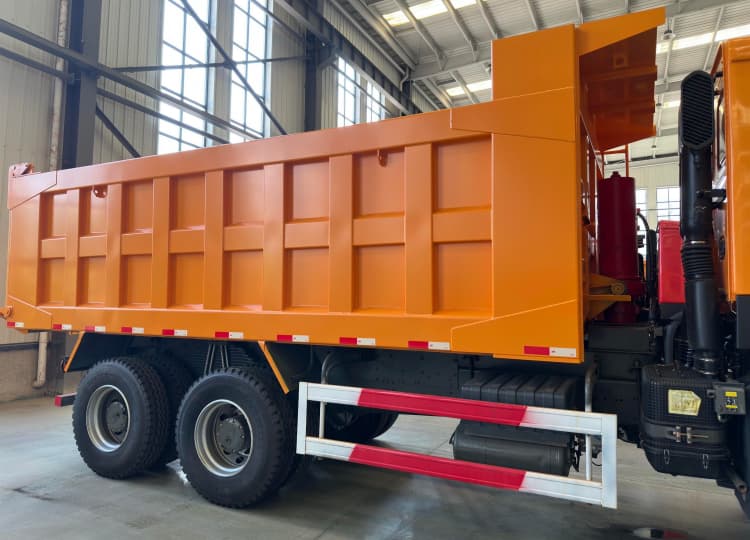
End-of-Cycle Circular Potential
A standardized reman truck remains a traceable asset that can be re-evaluated again later.
- After its second service life, it may pass screening and re-enter the reman loop once more, if structural condition permits.
- Even when it finally fails reman eligibility, it can then be sent for recycling.
- Recycling is a terminal circular step. Once melted, that specific vehicle core cannot be regenerated again.
Standardized reman truck sits earlier in the lifecycle hierarchy, extending useful service before the asset reaches the recycling stage.
Common Market Misconceptions
- Misconception 1: “Recycling is the same as reman, both are green.” Fact: They sit at different tiers of circularity. Standardized reman truck preserves far more embedded value and carbon.
- Misconception 2: “If a truck is recycled, it is a reman core.” Fact: Once shredded, it is raw metal, no longer a reman core.
- Misconception 3: “Reman is just a slow form of recycling.” Fact: Standardised remanufacturing is manufacturing; recycling is material recovery. Their quality standards, output and risk profiles are unrelated.
REMAN ROAD’s Lifecycle Hierarchy
REMEN ROAD defines a clear priority sequence for heavy truck assets:
- Evaluate core for standardised remanufacturing, if structurally eligible
- If whole-vehicle reman fails, assess for qualified component-level reman
- If component reuse is impossible, route the asset for regulated metal recycling
- Document each route separately for traceability, warranty and ESG reporting
This prevents operators from inflating reman volumes by counting scrap recycling activity.
Closing
Standardised remanufacturing and recycling are distinct circular strategies for heavy truck assets. Reman preserves the original engineered structure, retains high residual value, cuts embodied carbon and creates a certified functional vehicle. Recycling breaks the asset back into raw metal, destroying its engineering value and requiring fresh energy-intensive forming work. Understanding this separation helps fleets build accurate TCO models, avoid ESG greenwashing risks, and place each old truck on the correct circular pathway.