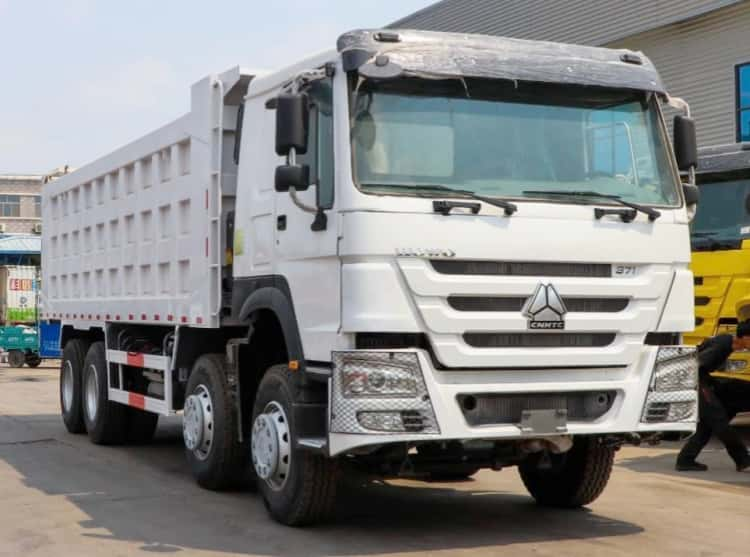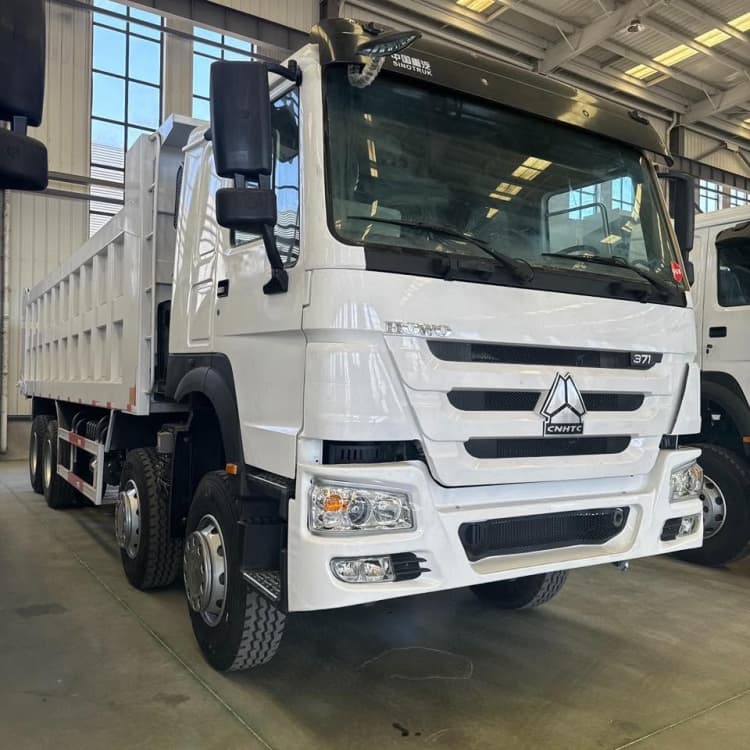
Common Myths About Certified Heavy Truck Reman
Intro
Heavy truck remanufacturing remains misunderstood across the heavy truck fleet market. Many buyers carry assumptions inherited from their experience with ordinary rebuilds, reconditioned trucks and second-hand sales. These myths distort procurement decisions, TCO forecasting and sustainability reporting. This article separates persistent misconceptions from engineering facts for certified heavy truck reman, the standard followed under REMAN ROAD.
Most confusion stems from market mixing of labels. When rebuilds and cosmetic refreshes are sold as reman, bad experiences create broad, unfair stereotypes of genuine certified reman. Every myth below contrasts the loose logic of informal repair work against the strict system-level rules that define certified heavy truck remanufacturing.
Myth 1: Reman truck is just a “fancy used truck”
Myth statement: Reman trucks are cleaned-up second-hand vehicles with a new coat of paint.
Fact: A used truck carries all accumulated hidden fatigue, uninspected components and unknown residual life. Certified heavy truck remanufacturing starts with full disassembly, mandatory NDT screening of load-bearing structures, formal component disposition, wear-part replacement by standard, and full-system validation to OEM baseline. The truck reman process resets its performance and service-life expectation. A used truck’s history stays locked inside it; a properly reman truck’s known condition is documented from the ground up. Cosmetic work is incidental, not the core of the process.
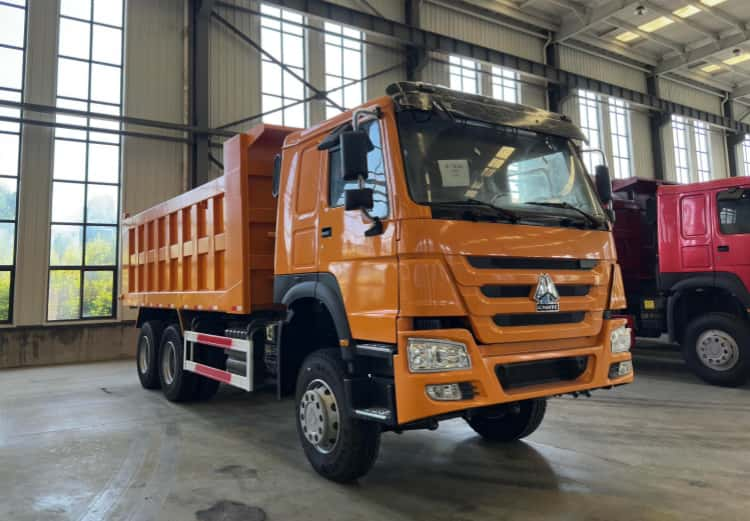
Myth 2: Reman trucks cannot match the safety level of brand-new trucks
Myth statement: Only brand-new heavy trucks are safe; reman units always carry hidden structural risk.
Fact: Certified heavy truck remanufacturing targets the OEM original design safety margin. Frame, steering, braking and suspension load paths are inspected, measured and restored within factory tolerances. Critical forgings and castings pass NDT to rule out fatigue cracks. The safety standard is defined by engineering tolerance, not production date. A certified reman truck that passes all structural and system tests meets the same design safety envelope as its new equivalent. The risk comes from uncertified rebuilds, not certified heavy truck reman.
Myth 3: Reman trucks have shorter service life by default
Myth statement: Since the core is old metal, it cannot run as long or reliably as a new truck.
Fact: Service life depends on residual structural condition and process discipline, not manufacturing year of the core. High-grade cores with minimal fatigue and corrosion can receive a long second-life window aligned with OEM service intervals. Certified grading sets realistic expectations upfront. Borderline cores receive narrower operational limits and adjusted warranty terms, which are fully disclosed. It is wrong to assume all reman trucks are automatically limited to short lifespans.
Myth 4: Remanufacturing only fixes the engine; the rest stays untouched
Myth statement: “Whole vehicle reman” is just marketing for an engine rebuild.
Fact: This is one of the most frequent greenwashing tactics. Certified heavy truck remanufacturing requires disassembly of the complete vehicle, not only the powertrain. Chassis, frame crossmembers, axles, suspension, steering, braking, electrical and emission subsystems all go through inspection and disposition. Engine-only rebuild is component-level work. It does not qualify for the heavy truck remanufacturing definition, and reputable certification frameworks explicitly separate these categories.
Myth 5: If it runs well on a test drive, it qualifies as reman
Myth statement: A smooth test drive proves the truck is remanufactured.
Fact: Road performance is only one final check. Visual assessment and short driving cannot detect subsurface frame cracks, material fatigue, hidden corrosion or slow drift in emission calibration. Certification relies on objective recorded data: dimensional logs, NDT scans, dynamometer curves, brake balance reports and traceability records. Drivability alone is never sufficient proof of compliance.
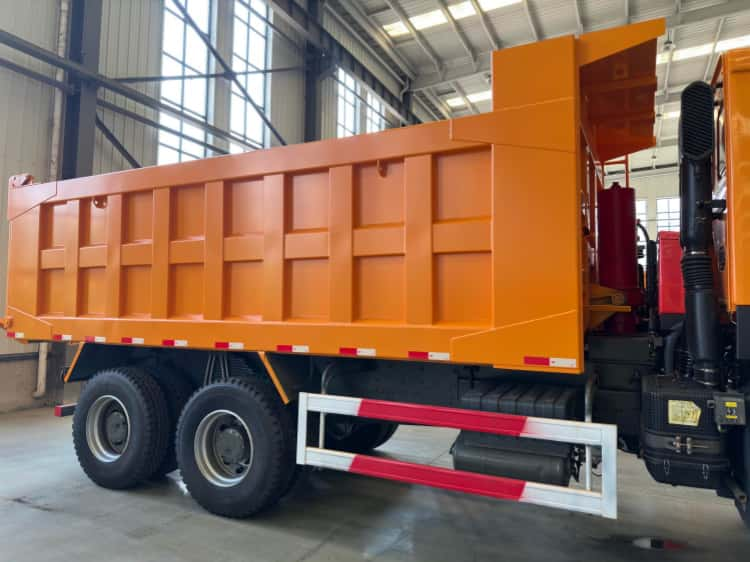
Myth 6: Reman ESG claims are just greenwashing
Myth statement: All reman carbon-saving and sustainability claims cannot be trusted.
Fact: Unlabelled rebuilds and reconditioned trucks do lack auditable ESG evidence. Certified heavy truck reman, by contrast, builds a VIN-linked record trail covering core eligibility, component reuse, material diversion from scrap and test validation. When the truck reman process follows standardised rules and third-party audit, carbon savings are quantifiable and defensible. Greenwashing happens when vendors apply the reman label to assets that never completed the full reman workflow.
Myth 7: Reman parts or trucks are always cheaper, so quality must be compromised
Myth statement: Lower CAPEX means corners are cut somewhere in production.
Fact: The cost advantage of heavy truck remanufacturing comes from preserving high-embodied-carbon engineered structures, not cutting inspection or testing standards. The expensive foundational work of casting, forging and heat-treating the frame and major assemblies is already complete. Certified heavy truck remanufacturing still requires industrial cleaning, precision measurement, NDT, new wear parts, bench testing and documentation. It is a controlled manufacturing process with fixed quality gates. A reman price discount reflects circular value retention, not reduced engineering requirements.
Myth 8: Once remanufactured, a truck can be cycled infinitely forever
Myth statement: You can keep remaking the same truck over and over with no limit.
Fact: Metal fatigue, cumulative corrosion and repeated stress cycles create hard physical boundaries. Every reman intake gate assesses residual structural integrity. After multiple service cycles, the frame or critical castings will eventually degrade past OEM recovery limits. At that point, the asset exits the reman loop and moves to recycling. Reman extends life; it does not eliminate material ageing.
Myth 9: Warranty for reman trucks is worthless and hard to claim
Myth statement: Reman warranties are vague and suppliers will always find a way to reject claims.
Fact: Certified heavy truck remanufacturing has holistic, vehicle-level warranty terms, distinct from narrow rebuild warranties that only cover one assembly. The traceability file defines what was replaced, restored and tested. Claims are judged against objective production records and OEM operating limits. Claims caused by overload, unapproved modification or neglected maintenance are excluded, the same as for new trucks. Clear documentation removes subjective dispute.
Myth 10: OEM specs mean you must buy only OEM branded spare parts
Myth statement: To meet OEM baseline, every replacement part has to carry the original manufacturer logo.
Fact: The OEM baseline refers to design specification, not brand ownership. Equivalent replacement components are acceptable as long as they meet or exceed the published material, fit and performance tolerances. Substandard low-cost parts that fail the spec are prohibited, but specification equivalence is the rule, not brand loyalty.
How These Myths Spread in the Market?
Most negative assumptions trace back to unregulated sellers repackaging rebuild or reconditioning work as reman:
- Loose, undefined work scope
- No independent third-party audit
- Missing NDT and dimensional evidence
- Undisclosed prior structural damage or modifications
- Warranty limited to a single repaired assembly
Buyers conflate these low-standard offerings with formal certified heavy truck remanufacturing.
REMAN ROAD’s Guidance for Buyers to Avoid Misconception
REMEN ROAD helps buyers verify facts instead of relying on common assumptions:
- Require clear disclosure of scope: whole-vehicle reman, component reman, rebuild or recondition
- Request VIN-linked traceability packages before accepting sustainability or quality claims
- Confirm third-party audit sampling rules and structural NDT requirements
- Separate CAPEX savings expectations from safety and performance standards
- Review core grading and projected second-life service window before purchase
Closing
Myths about certified heavy truck remanufacturing usually arise from confusing standardised truck reman process with informal repair work. Certified heavy truck reman is not merely a used truck with cosmetic refresh; it is a system-level engineering reset bounded by OEM tolerances, structural inspection, full traceability and auditable test records. By clearing up these misconceptions, fleet teams can fairly evaluate reman trucks, build accurate TCO plans and avoid costly misjudgements when sourcing second-life heavy trucks.