What Is a Reman Core Vehicle in the REMAN ROAD Reman Ecosystem?
Intro
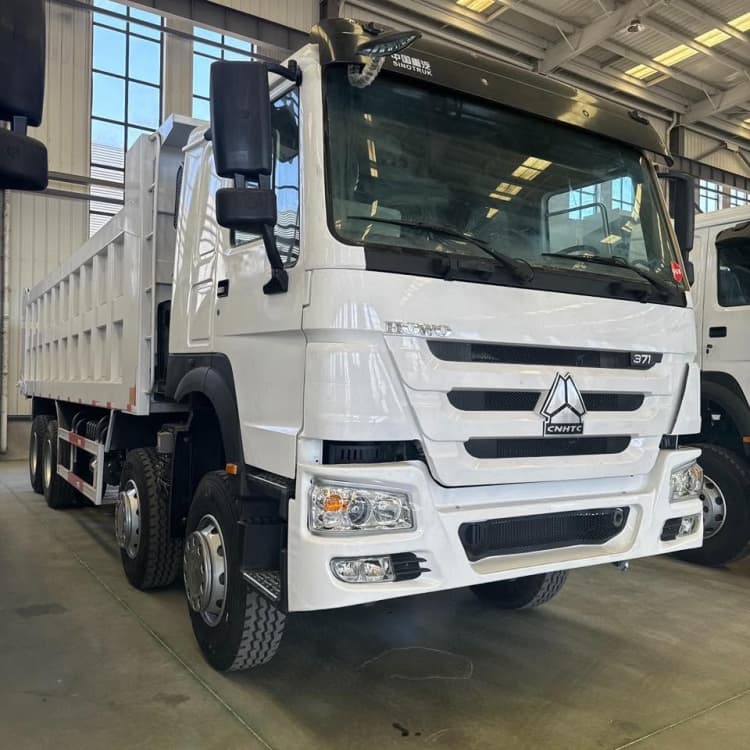
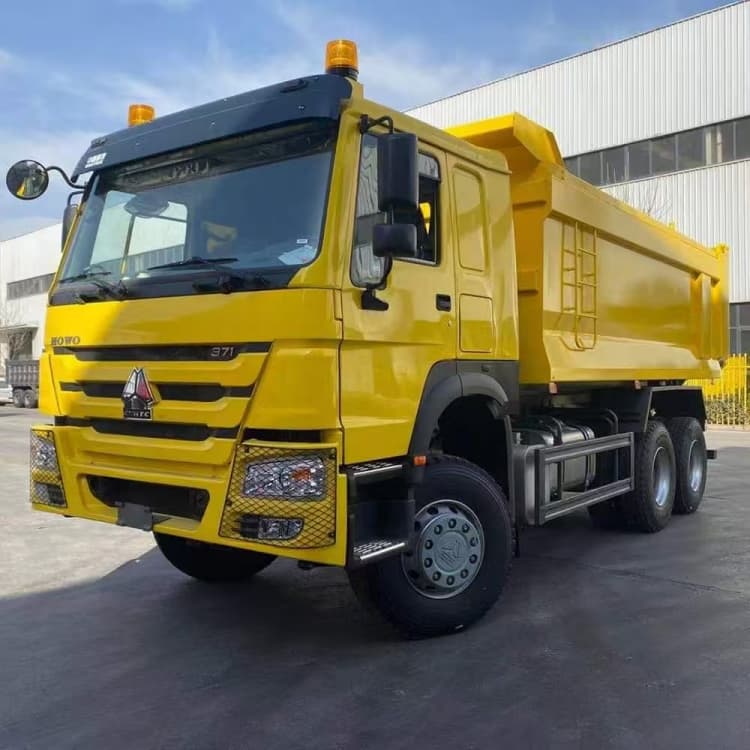
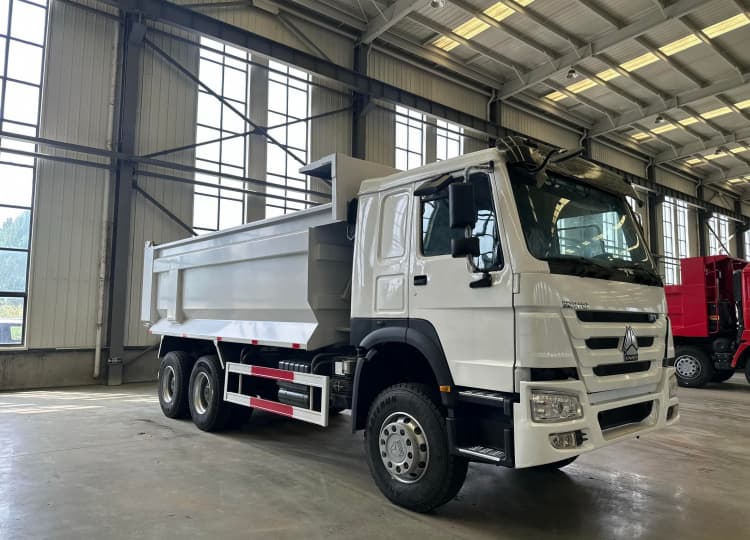
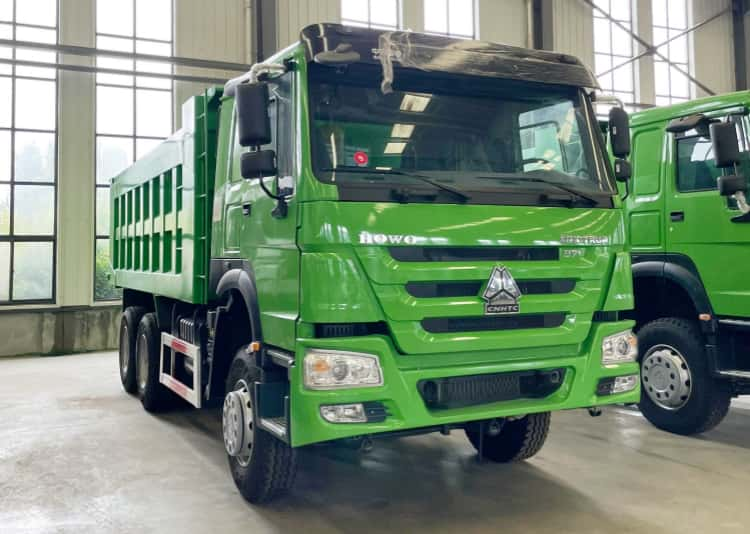
A reman core vehicle is not just any old heavy truck. Within the REMAN ROAD ecosystem, it is the defined incoming feedstock for truck remanufacturing: a retired or decommissioned heavy truck that has passed formal intake assessment and holds restorable residual structural value. Without qualified cores, certified truck remanufacturing cannot exist. This article defines the core vehicle, explains intake gates, grading tiers, core logistics and how cores fit into the circular workflow, while separating valid reman cores from scrap or rebuild-only trucks.
Many buyers and suppliers use “core” loosely for every second-hand truck they source. In the REMAN ROAD standard, the label carries strict engineering meaning. A truck only becomes a reman core vehicle once it clears documented verification. If it fails intake, it is not a core — it is scrap material, destined for recycling. The core is the starting point of the second-life contract, and its condition sets the upper boundary for the finished reman truck’s performance, service life and warranty scope.
Formal Definition of a REMAN ROAD Reman Core Vehicle
A remanufactured core vehicle is a complete heavy-duty truck asset, identified by its unique VIN, selected as input for standard truck remanufacturing. It must satisfy this baseline:
- Primary load-bearing structures retain material integrity that can be restored back to OEM design tolerances
- It is suitable for full disassembly, component disposition, systematic inspection and final system validation
- Its history and condition are fully recorded and traceable before production begins
It is the raw feedstock for standard truck remanufacturing, distinct from a casual rebuild job truck, a reconditioned resale unit, or a scrap ELV (end-of-life vehicle).
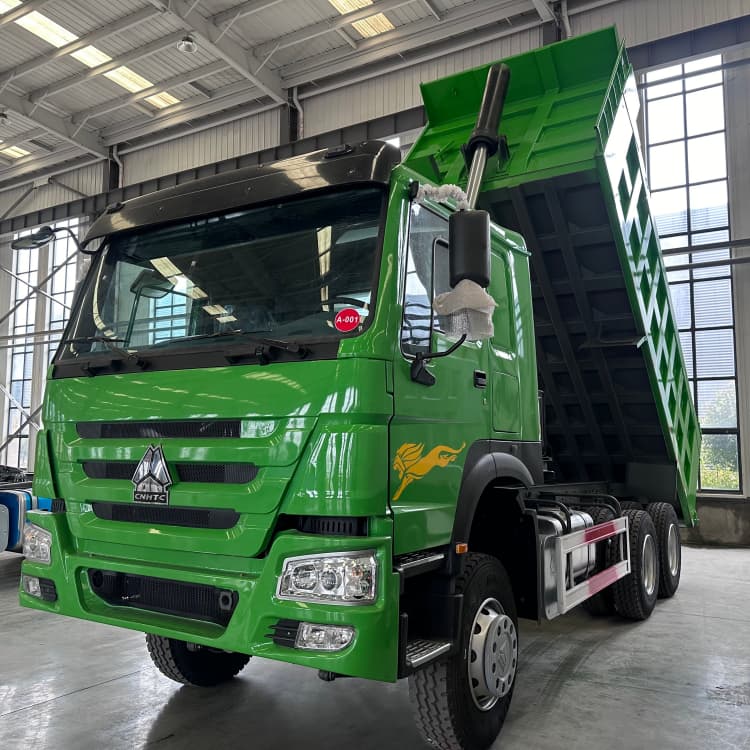
The Core Intake Screening Gate: Turning a Used Truck Into a Core
A used truck becomes a remanufactured core only after passing this mandatory assessment sequence:
- Document review: VIN history, accident logs, overload records, prior structural repairs, flood, fire or corrosion exposure
- Visual and dimensional mapping: frame rail straightness, wall thickness, deformation and crossmember condition
- NDT inspection: scanning for fatigue cracks, subsurface defects and hidden corrosion in critical castings and forgings
- Design compatibility check: confirmed availability of OEM drawings, tolerance data and stable spare part supply
- Financial and lifecycle review: restoration cost can be justified by the residual engineering value preserved
Any truck that cannot pass these checks is rejected and diverted out of the reman pipeline. It does not receive “core vehicle” status.
Core Grading: Not All Reman Cores Are Equal
All accepted cores are graded before production. This grading flows through to the finished reman truck’s specification and disclosure to fleet buyers.
- Grade A (Zero-degradation eligible core): Clean service history, minimal fatigue and corrosion, frame and key forgings within near-new OEM limits. Can be built into zero-degradation whole-vehicle reman, with full performance parity and longer projected second life.
- Grade B (Standard reman core): Minor accumulated wear, no irreversible structural damage. Suitable for certified whole-vehicle reman with standard warranty and defined service intervals.
- Grade C (Restricted-scope core): Acceptable for reman but with known limitations. Restrictions are fully disclosed; warranty and operational limits are clearly stated. It cannot be labelled zero-degradation reman.
- Rejected: Not a reman core. Routed to component salvage or metal recycling.
Grading prevents suppliers from hiding weak core quality behind generic “standard truck remanufacturing” marketing.
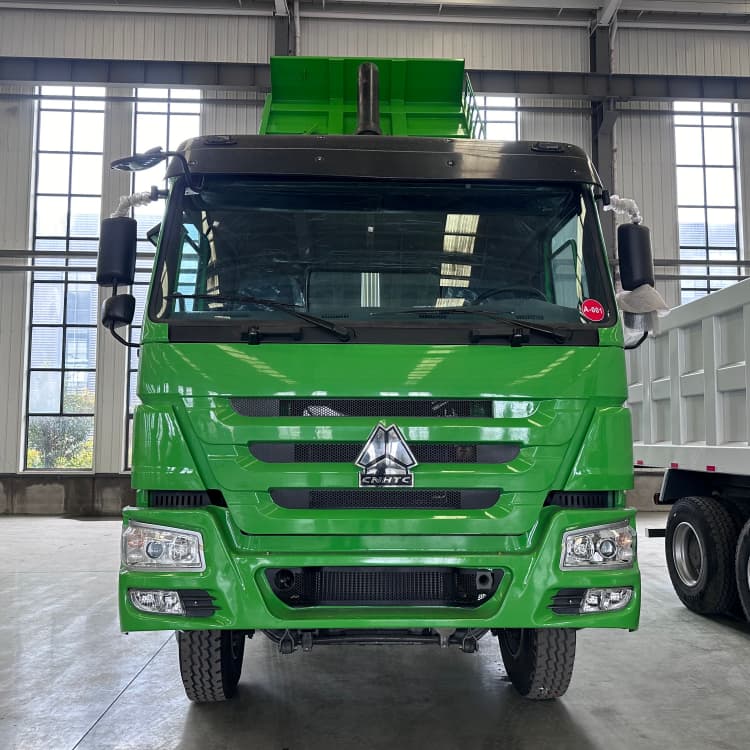
What Separates a Reman Core Vehicle From a Rebuild Truck or Scrap Truck?
Reman core vehicle
- Purpose: Feedstock for standard truck remanufacturing.
- Rules: Must pass NDT and dimensional intake gate; full disassembly is required.
- Output potential: Certified, traceable whole-vehicle reman with formal second-life warranty.
Rebuild candidate
- Purpose: Targeted fault repair or partial assembly overhaul.
- Rules: No mandatory full disassembly or system-level structural screening.
- Output potential: Functional truck, but not standard truck remanufacturing under REMAN ROAD rules.
Scrap / ELV vehicle
- Purpose: Material recovery.
- Rules: Structural damage is irreversible.
- Output potential: Shredding and recycling into commodity metal. No whole-vehicle reman possible.
This distinction is foundational to the ecosystem’s circular hierarchy: remanufactured cores sit at the top of the value funnel.
Core Asset Data and Traceability Link
Every reman core vehicle gets a dedicated VIN-linked core file that travels through the entire standard truck remanufacturing workflow:
- Core intake checklist and grading report
- Original NDT scans and dimensional measurement logs
- Known defects and prior repair disclosures
- Model match and OEM specification reference
- Disposition records generated later during disassembly
This core file becomes the root evidence for ESG accounting, third-party audit and warranty validation. A core without this record trail is treated as unqualified.
Core Sourcing and Core Exchange in the REMAN ROAD Ecosystem
Cores enter the network through multiple controlled channels:
- Fleet return programs: operators hand back end-of-cycle trucks under core-exchange arrangements
- Certified core brokers: brokers follow REMAN ROAD intake checklists before delivery
- In-house fleet retirement: internally retired heavy trucks screened for core eligibility
- Cross-border core sourcing, with clear documentation for customs and audit compliance
The ecosystem prioritises stable, traceable core supply. Poor core quality is the single largest risk that undermines reman quality consistency.
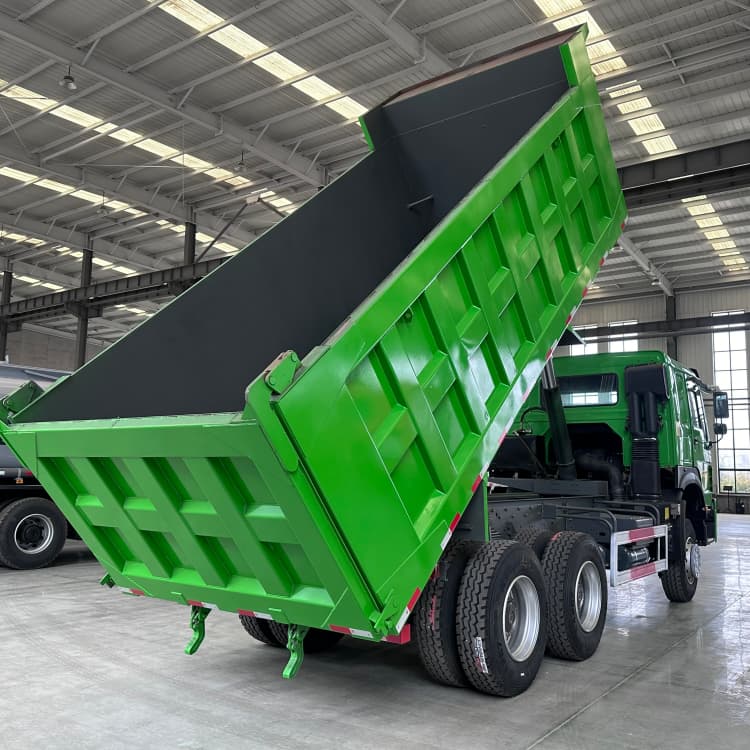
Common Misconceptions About Reman Core Vehicles
- Myth: An old truck that still runs is automatically a reman core. Fact: Drivability does not prove structural restorable integrity. Many running trucks carry hidden frame fatigue and fail intake NDT.
- Myth: A core is just a cheap broken truck. Fact: High-grade reman cores hold valuable embodied carbon and original forging/casting engineering value; good cores are a constrained, premium asset.
- Myth: Once a core is rejected, it can be pushed through with relaxed standards. Fact: REMAN ROAD intake gates are non-negotiable for certified reman. Relaxing thresholds breaks audit validity and creates safety risk.
- Myth: A reman core is the same as a finished reman truck. Fact: The core is the starting input. It only becomes a certified reman truck after full disassembly, restoration, testing and release.
How Core Quality Determines Final Reman Outcomes?
The core’s condition sets hard boundaries that no amount of workshop work can overcome:
- A Grade A core is the only foundation for zero-degradation reman
- A Grade C core may become reliable, but cannot match new-truck design margins
- A rejected core, even if patched and painted, cannot deliver auditable whole truck remanufacturing claims
Fleet buyers have the right to request the original core grading report as part of their pre-purchase documentation package.
REMAN ROAD Core Governance Framework
REMEN ROAD standardises core management across all certified partners:
- Unified intake checklists and pass/fail thresholds for each truck model
- Independent verification sampling of incoming core batches
- Clear segregation: qualified cores, borderline units and scrap assets are physically and administratively separated
- Core grading must be disclosed in sales documentation, with no downplaying of limitations
- Core records are retained for the full second-life cycle of the finished reman vehicle
This prevents core quality drift across factories and cross-border supply chains.
Closing
A reman core vehicle is the qualified, traceable, VIN-identified heavy truck feedstock at the very start of the certified whole-vehicle reman workflow in the REMAN ROAD ecosystem. It is not merely a used truck, a rebuild candidate or scrap. Its intake screening, grading tier and documented history define what the finished reman truck can deliver in safety, service life, warranty and ESG value. The quality of the core is the first and most critical control point for trustworthy standard truck remanufacturing.