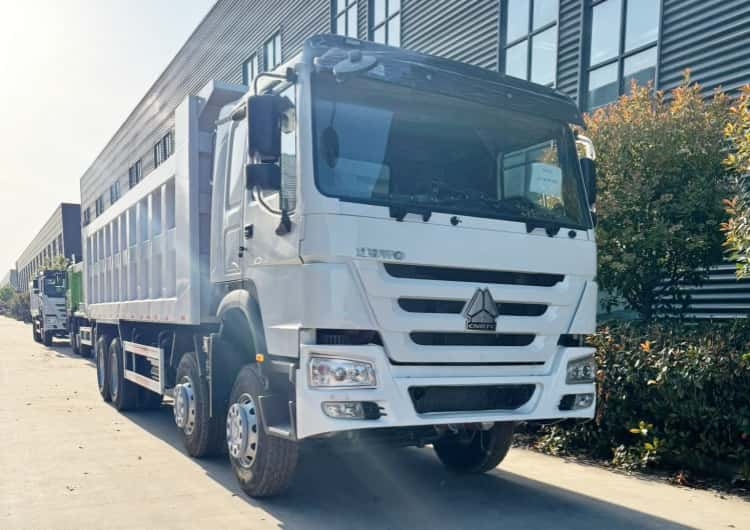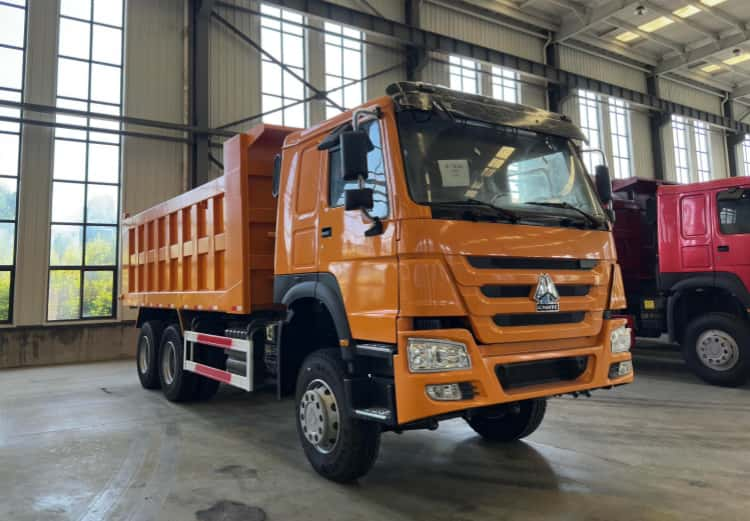
Why Vehicle Reman Is Not the Same as Second-Hand Truck Rebuild?
Introduction
On the surface, both certified vehicle remanufacturing and second-hand truck rebuild start from a used truck core. Both involve disassembly, part replacement and reassembly to make the vehicle run again. This similarity creates widespread market confusion. But a casual second-hand rebuild is driven by low cost and quick delivery, while standardised vehicle remanufacturing is an engineered lifecycle-reset process with fixed, auditable quality gates.
A second-hand rebuild may look finished and pass a road test. It does not, however, remove latent material fatigue or deliver a predictable performance baseline. This article clarifies why they cannot be treated as the same asset for fleet procurement, tender submission, ESG reporting and cross-border customs declaration.
Starting objective: Quick reactivation vs lifecycle reset
A typical second-hand truck rebuild has one simple goal: get the broken or high-mileage truck operational again at minimal cost. Technicians fix obvious faults, swap visibly worn parts, and reassemble. The original accumulation of fatigue, microcracks and corrosion inside load-bearing components remains untouched. The truck’s original lifecycle clock keeps running.
REMEN ROAD certified vehicle remanufacturing targets the whole asset’s ageing state. Its objective is to systematically identify and eliminate hidden, not-yet-failed defects. Every safety-critical component is assessed against fixed criteria to establish a new, defined starting point for service life. It is not a repair job for a second-hand truck; it is the creation of a new reman asset from a qualified core.
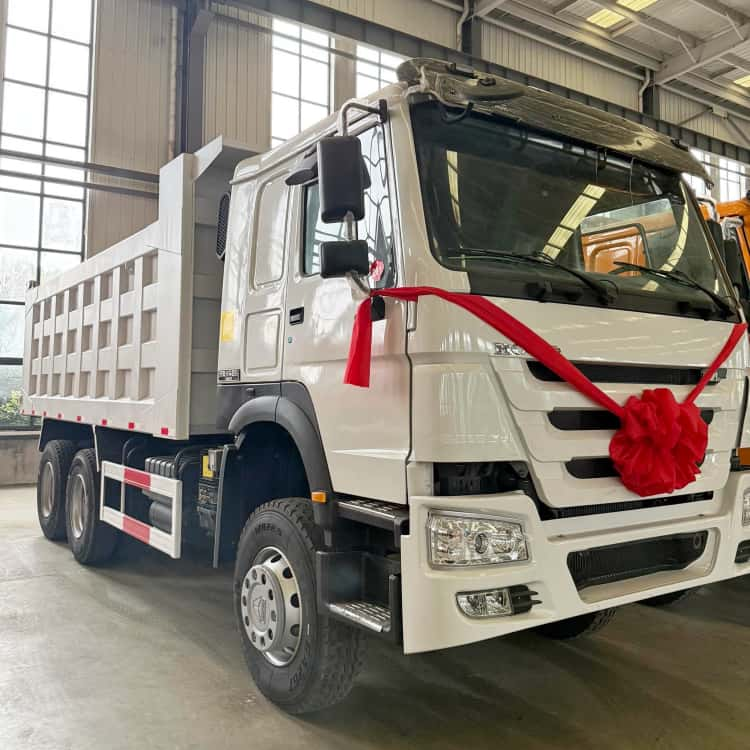
Disassembly scope: Selective teardown vs mandatory full disassembly
Second-hand rebuilds follow a selective teardown logic. Only assemblies showing faults or heavy wear are opened. Frame rails, steering knuckles, suspension brackets and axle housings often stay sealed, even if they carry years of cyclic load stress. If a part still works, it stays in the truck by default.
Certified heavy vehicle remanufacturing requires full disassembly of all safety-critical assemblies down to individual components. No high-risk load-bearing part is skipped for inspection. Complete stripping and cleaning are mandatory, to remove paint, grease and scale that hide subsurface cracks before NDT. This is a non-negotiable precondition, not an optional extra.
Inspection logic: Visible wear check vs objective NDT and dimensional screening
Second-hand rebuild inspection relies heavily on visual judgement, simple fit checks and technician experience. Parts are accepted if they look intact and have no obvious damage. Invisible fatigue cracks, subsurface weld flaws and thickness loss from corrosion cannot be caught this way. These hidden defects are the leading cause of sudden catastrophic failures on remote haulage and construction sites.
Certified vehicle remanufacturing enforces mandatory non-destructive testing (UT, MPI, RT) and dimensional verification for all critical load-bearing components. A component that still functions can be graded scrap if testing detects fatigue. Decisions are based on measurable test thresholds rather than visual appearance.
Component strategy: Reuse everything that works vs formal three-way grading
The default rule for second-hand rebuild: reuse as many original parts as possible. Only parts that are broken, seized or excessively worn get replaced. There is no formal scrap trigger for fatigued but functional components.
Under REMAN ROAD certified vehicle remanufacturing, every disassembled component is graded into reusable, repairable or mandatory scrap. Repairs are only allowed under approved WPS, followed by re-inspection. Any part hitting scrap criteria is permanently quarantined and cannot be returned to build. This stops fatigue being carried forward into the finished vehicle.
Validation: Road test check vs standardised bench performance testing
A finished second-hand rebuild is usually validated by a short road test. The workshop confirms the engine starts, the truck drives, brakes work and there are no obvious leaks. This only proves the current fault is resolved; it does not validate sustained load performance, brake balance, hydraulic drift or power consistency under working conditions.
Certified heavy vehicle remanufacturing requires formal end-of-line bench testing: dynamometer testing for powertrain, pressure retention testing for hydraulics and axle-by-axle brake force testing. The vehicle must hit fixed acceptance thresholds. A truck that drives well on the road can still fail certification if it cannot meet the benchmark under controlled load.
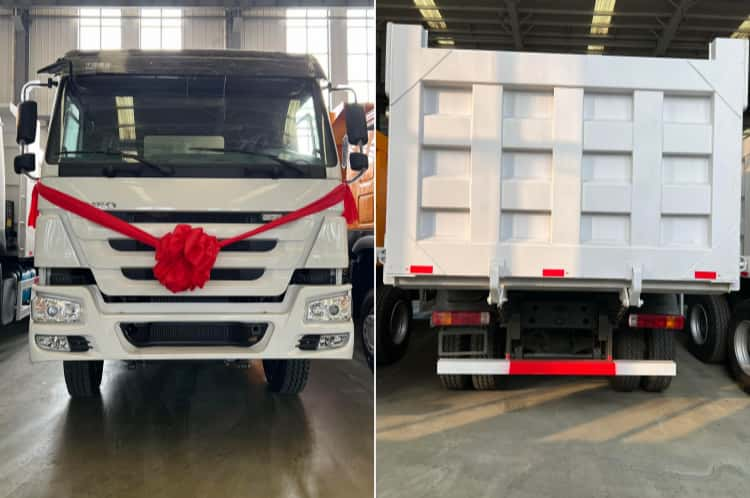
Documentation and traceability: Minimal service notes vs VIN-bound full audit dossier
Second-hand rebuilds usually come with limited paperwork, often just an invoice and a short service note listing replaced parts. There is no centralised record of NDT results, component grading or bench test data. When the truck changes hands or is inspected by auditors or customs, there is no independent evidence of the rebuild scope.
Certified heavy vehicle reman generates a permanent digital dossier tied to the vehicle VIN. It includes core intake checks, disassembly records, all NDT reports, grading logs, rework approvals and bench test curves. This traceability supports tender audits, ESG carbon accounting, warranty enforcement and consistent cross-border classification.
Asset classification and market eligibility
A second-hand rebuild remains legally and commercially a second-hand used truck. It inherits the original vehicle’s age, mileage history and used-asset restrictions. In many African and Central Asian markets, this means it may be subject to used-vehicle import bans, age limits or high used-good tariffs. It is generally not accepted for green project or donor-funded tender requirements.
A properly documented certified reman truck can be classified under remanufactured commodity definitions where local regulations recognise the category. It is evaluated by its post-reman baseline rather than its original age and mileage, opening access to formal tenders and preferential circular-economy import treatment.
Quick comparison snapshot
- Objective: Second-hand rebuild = restore operation; Certified vehicle remanufacturing = reset whole-vehicle lifecycle
- Teardown: Second-hand rebuild = selective, fault-based; Certified heavy vehicle reman = full disassembly of critical assemblies
- Inspection: Second-hand rebuild = visual check only; Certified heavy vehicle reman = dimensional + mandatory NDT
- Parts rule: Second-hand rebuild = reuse all functional parts; Certified vehicle remanufacturing = grade, rework or scrap
- Validation: Second-hand rebuild = simple road test; Certified vehicle remanufacturing = dyno, hydraulic and brake bench testing
- Records: Second-hand rebuild = basic service note; Certified heavy vehicle reman = complete VIN-linked audit dossier
- Asset status: Second-hand rebuild = remains a used truck; Certified vehicle remanufacturing = auditable reman asset
Common market misrepresentation trap
Suppliers often label second-hand rebuilds as “remanufactured” simply because they replaced the engine or transmission. Even a high-quality engine rebuild is still a second-hand rebuild if the chassis, steering and suspension structures remain unopened and untested. New paint, new tyres and overhauled powertrain do not turn it into certified vehicle remanufacturing.
Closing
The core distinction between heavy vehicle reman and second-hand truck rebuild is not whether the truck runs. It lies in whether the process systematically discovers and removes latent fatigue across the entire vehicle.
Second-hand rebuild gets a used truck running again, while certified vehicle remanufacturing builds a new, predictable asset baseline through standardised, auditable engineering controls. For fleet buyers, this difference directly impacts safety, unplanned downtime risk, TCO accuracy, tender eligibility and cross-border trade compliance.